In a nutshell
- 🔥 The 10-second “candle” trick (a simplified velaterapia) briefly singes flyaways on twisted strands to cosmetically “seal” splits—temporary polish, not true repair.
- 🛡️ Safety first: set up near water, use an unscented candle, twist pencil-thin sections, keep flame 1–2 cm away and moving, limit to ~10 seconds per section, then smooth and seal with silicone serum.
- ⚠️ Suitability: best for coarse or thick hair; avoid on fine, highly porous, or bleached hair, synthetic extensions, or when hair has alcohol/oil products; skip if flame control is uncertain.
- 🧪 What pros say: heat softens the cuticle for smoother reflection but doesn’t mend internal bonds—scissors are the only true fix; repeated scorching can roughen hair.
- ✅ Safer alternatives: precise micro-trim, heat-activated split end menders, bond-building treatments, plus friction-reducing habits (silk pillowcase, gentle detangling).
Split ends can make even glossy hair look frayed. Between salon appointments, a curious backstage hack—known as the 10-second “candle” trick—promises a quick, temporary rescue. Borrowed from Brazilian velaterapia, the method involves passing a small flame near twisted strands to cauterise flyaway fibres, softening rough edges so they lie flatter. Done skilfully, it can leave lengths looking sleeker for days. Yet the idea of putting fire to hair naturally sets nerves on edge. It is not a substitute for a proper trim, and it carries obvious risks. Here’s a clear-eyed guide to what it is, how it works, and when to steer clear.
What Is the 10-Second Candle Trick?
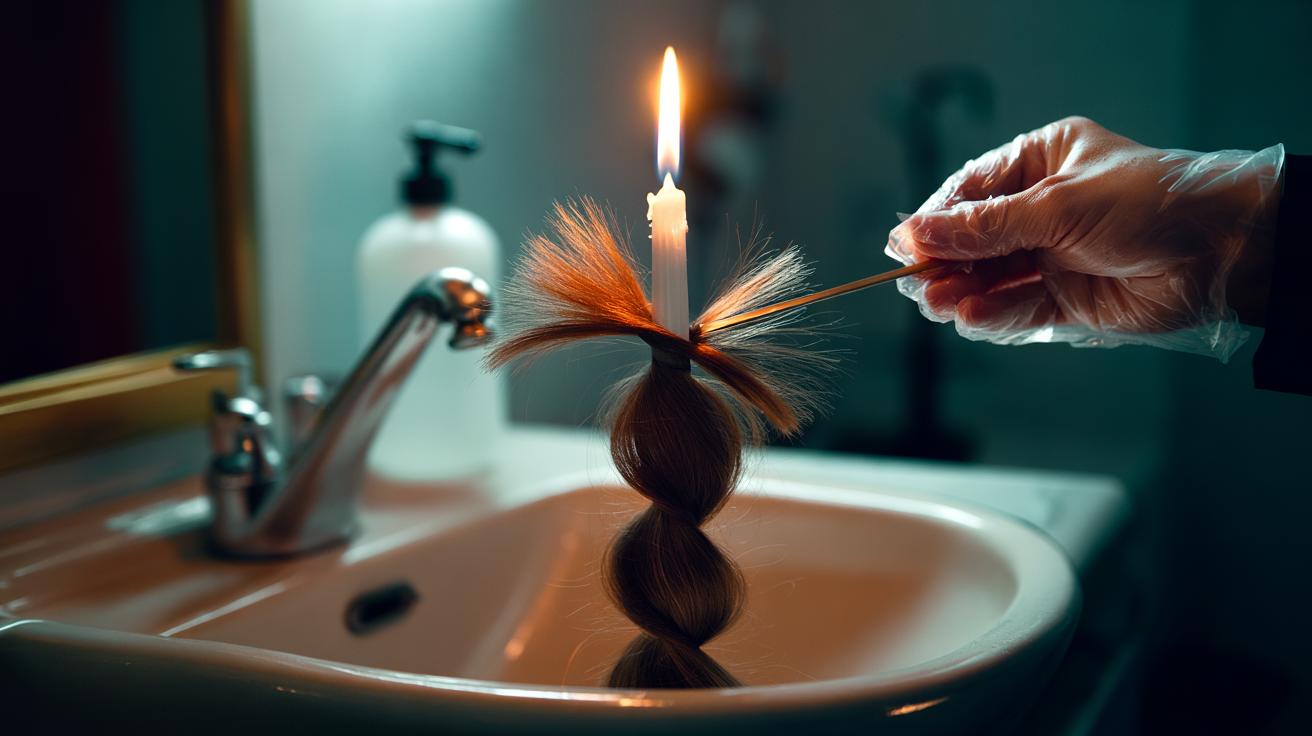
The 10-second candle trick is a streamlined take on velaterapia, a practice used on photo shoots to tidy split ends without taking off length. You lightly twist a small section of hair and sweep a candle’s flame past the fuzz that sprouts from the twist. The brief heat singes those micro-splits so they shrink back, helping the cuticle lie flatter and look smoother. The aim is to “seal” frays long enough to see you through to your next trim, not to repair the hair shaft or replace scissors.
Hair is made of keratin, and at high temperatures its surface can melt, then reharden—much like sealing a ribbon’s frayed edge. The effect is optical and tactile rather than curative: shine improves, snagging lessens, and styling looks neater. Still, there is a narrow margin between “tidy” and scorched. Any charring or strong odour means you have gone too far. The trick is strictly temporary; split ends will reappear as the hair flexes and weathers.
Step-by-Step: How to Try It Safely at Home
Set up with care. Work near a sink, keep a spray bottle of water within reach, and use an unscented, steady-burning candle. Tie back hair you’re not treating, and remove hairspray or oil build-up first; alcohol and aerosols are combustible. Slip on a heat-resistant glove for your non-dominant hand. Twist a pencil-thin section so flyaways lift from the coil. Hold the flame 1–2 cm away and glide past the protruding fuzz in a smooth pass, never lingering. Limit exposure to around 10 seconds total per small section and keep the flame moving.
After each pass, smooth the section between your fingers to cool it and finish with a light silicone serum to reduce friction. If you see singed beads or smell strong burning, stop and mist with water. Avoid the trick on wet hair (steam shock can splinter the cuticle) and keep it away from the mid-lengths if you have highlights or bleach. Never attempt the technique on synthetic hair or extensions; they can melt or ignite.
Who Should Avoid It and When It Works Best
The candle trick favours coarse, wavy, or very thick hair where splits spring outward and are easy to “skim.” It can also help long, layered cuts that frizz at the perimeter. Those with heat-trained styling habits may find it extends the life of a blow-dry by taming roughness along the last few inches. Think of it as a photo-finish touch-up—useful before an event when you cannot book a trim. Pair it with gentle detangling and a silk pillowcase to maintain the smoother look for longer.
Avoid completely if your hair is fine, highly porous, or heavily bleached, as the cuticle is already fragile. Steer clear when using bonding treatments or strong protein masks on the same day; the hair can turn brittle under additional heat. Anyone with a sensitive scalp, a history of breakage, or oil-based styling in the hair should skip it. If you cannot control the flame with total confidence, the safest choice is not to do it. A micro-trim will always be kinder than singed ends.
Science, Myths, and What Hair Pros Say
There is logic to the visual “seal.” Heat softens the outer cuticle layers, allowing frayed edges to contract and lie flatter. That creates smoother light reflection, so hair looks shinier. But the interior bonds in a split fibre remain compromised. No flame can re-knit a severed cortex. The improvement is cosmetic and short-lived, and repeated scorching risks roughening the cuticle further. Laboratory evidence on long-term benefits is lacking, while the risk of uneven heat exposure is well documented.
Stylists are divided. Editorial pros sometimes use the trick sparingly under controlled conditions. Salon colourists tend to advise against it, noting that bleached and colour-treated hair heats rapidly and can blister. Most agree on three points: use tiny sections, keep the flame moving, and finish with friction-reducing products. The consensus remains clear: scissors are the only true fix for split ends. Consider candling a last-resort surface polish, not a maintenance routine.
Smarter Alternatives That Mimic the Effect
If the thought of open flame near your fringe feels a step too far, there are safer routes to the same tidy finish. A precise micro-trim removes just a whisper of length yet eliminates all visible splits. A silicone serum or lightweight oil reduces fibre-on-fibre friction, which limits further fraying. Heat-activated “split end menders” use polymers to stitch frays together temporarily, especially when sealed with a low-temperature iron. Weekly bond-building treatments can fortify weak areas so splits form less readily.
Pair products with soft mechanics: detangle from the ends up, sleep on silk, and use a microfibre towel. Opt for low, even heat when styling and avoid aggressive brushing on dry curls. Small habit shifts often deliver bigger, safer gains than dramatic fixes. Below is a quick glance at options that replicate the candle trick’s smoothness while keeping risk low.
| Method | Time Required | Approx. Cost (UK) | Longevity | Risk Level |
|---|---|---|---|---|
| Micro-trim/Dusting | 10–20 minutes | £10–£25 add-on | 4–8 weeks | Low |
| Silicone Serum/Finishing Oil | 1–2 minutes | £8–£30 | 1–3 days | Low |
| Heat-Activated Split End Mender | 5–10 minutes | £12–£30 | Up to 1 week | Low–Medium |
| Bond-Building Treatment | 10–30 minutes | £20–£40 (home) | 1–3 washes | Low |
| Low-Heat Iron + Protectant | 5–10 minutes | £0–£20 (product) | 1–3 days | Medium |
The 10-second candle trick is equal parts spectacle and stopgap. Handled gingerly, it can neaten a ragged hemline of hair and buy time before your next appointment. But it trades on precision and luck—two things in short supply on a busy morning. The safest path to smooth ends is still regular trims, gentle handling, and smart product choices. If you’re tempted to try the flame, do it sparingly, set strict safety rules, and know when to stop. How will you balance quick fixes with long-term care in your own routine?
Did you like it?4.5/5 (28)