In a nutshell
- 🥛 Lactic acid in cold milk provides gentle keratolysis and humectant hydration, smoothing keratosis pilaris bumps without stripping the barrier.
- 🌾 Colloidal oats calm redness and itch, while cool water’s vasoconstriction reduces flushing for a visibly calmer finish.
- 🛁 Preparation: 1–2L cold milk + 80–120g oats in a bag; soak 10–15 minutes, pat dry, then seal in moisture with urea or lactic acid lotion within three minutes.
- ⏱️ Results: immediate softness, clearer texture after 2–3 soaks weekly for a month; alternate urea 10% and lactic acid 5–12%; avoid abrasive scrubs.
- ⚠️ Safety: check for milk/oat allergies, skip on shaved or sunburnt skin; alternatives include ammonium lactate, urea, or salicylic acid; seek advice if pustules or worsening redness appear.
Keratosis pilaris—nicknamed “chicken skin”—can make arms and thighs feel like fine grit paper just when sleeves come off. A simple, soothing ritual gaining quiet momentum is the cold milk and oats bath, a kitchen-cupboard therapy that takes cues from dermatology. The appeal is twofold: lactic acid in milk offers gentle chemical exfoliation, while colloidal oats calm redness and itch. Cooling the skin dials down reactivity without shocking it. This is not a cure, but a soft reset for rough texture and tight, prickly patches. Applied regularly, it can soften bumps enough to make moisturisers and prescription routines work harder. Here’s how it works—and how to run one safely at home.
How Lactic Acid from Milk Helps Keratosis Pilaris
Keratosis pilaris (KP) forms when plugs of keratin lodge in hair follicles, creating tiny, rough bumps. Lactic acid, a classic alpha-hydroxy acid, loosens these plugs by breaking the bonds between old cells, a process known as gentle keratolysis. Unlike harsher acids, lactic acid is also a humectant, pulling water into the outermost skin layers. That combination—mild exfoliation plus hydration—softens the “sandpapery” feel without fraying the barrier. Gentle, frequent nudging beats aggressive scrubbing, which can inflame follicles and worsen texture.
Milk’s naturally occurring lactic acid is relatively low, which is part of the charm: it delivers a whisper of exfoliation over a soak rather than a sting. Pair that with colloidal oats, rich in beta‑glucans and avenanthramides that quiet redness, and you get a one-two that tackles both roughness and irritation. Keeping the bath cool or comfortably cold adds vasoconstriction—the blood vessels narrow—so skin looks calmer on stepping out.
Think of the bath as priming. By sweeping away the most superficial build‑up and dampening flare, it improves the spread and penetration of post‑bath lotions containing urea or additional lactic acid. When friction, tight knitwear, or hot showers have stirred up bumps, a chilled milk-and-oats soak is a reset button that doesn’t strip.
Preparing a Cold Milk and Oats Bath at Home
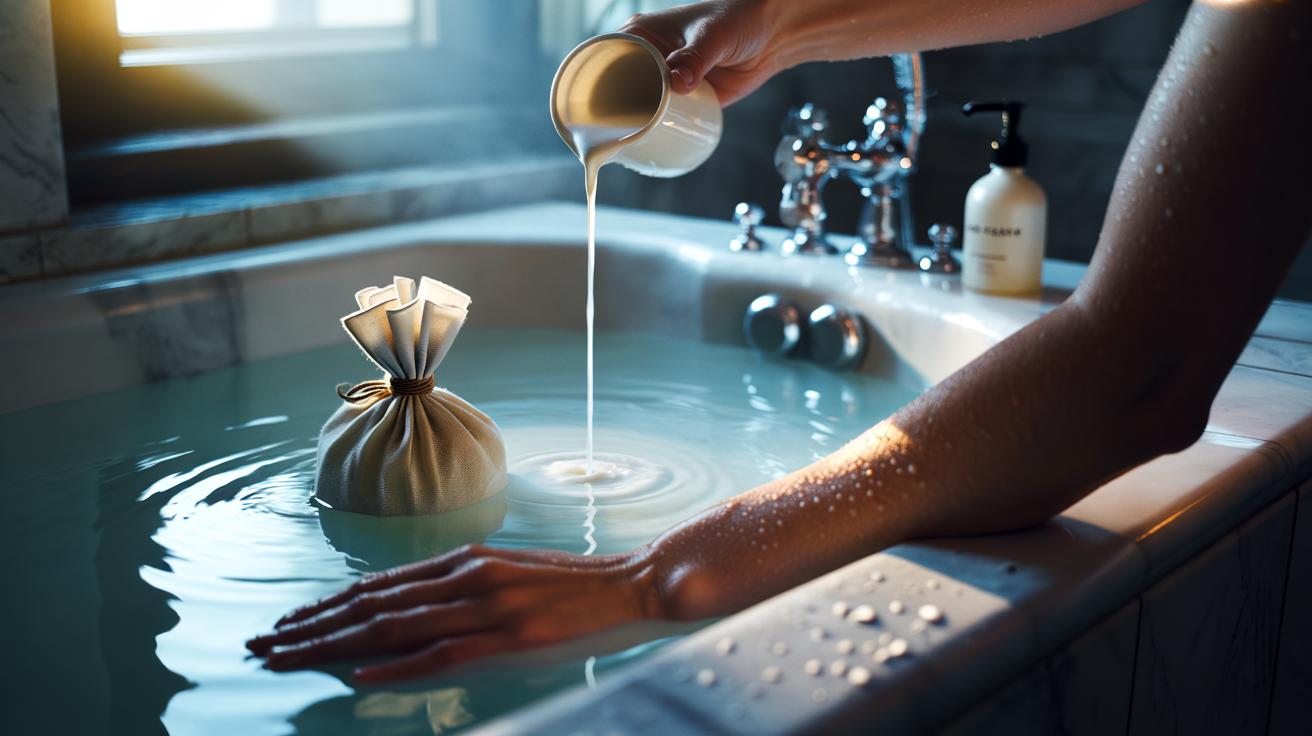
Use chilled, full‑fat cow’s milk, regular or lactose‑free, and finely ground oats or pharmacy‑grade colloidal oatmeal. Aim for a cool bath—think refreshing, not icy—to avoid startling the system. Run the bath first, then whisk in the milk so it disperses. Place oats in a muslin bag, clean sock, or tea strainer to keep plumbing happy while still releasing their soothing polymers. The goal is silkier water, not a porridge swirl.
| Item | Role | How It Helps KP | Typical Amount |
|---|---|---|---|
| Cold milk | Mild AHA + hydration | Smooths and softens bumps | 1–2 litres per standard tub |
| Colloidal oats | Anti‑irritant | Calms redness and itch | 80–120 g in a bag |
| Cool water | Vasoconstriction | Reduces flushing | Tub at 24–30°C |
| Post‑bath lotion | Seal + treat | Maintains smoothness | Urea 10% or lactic acid 5–12% |
Soak for 10–15 minutes. Pat, don’t rub, to keep the fragile barrier intact. While skin is still damp, apply a generous layer of a urea or lactic acid body lotion, or a ceramide‑rich moisturiser if you’re sensitive. Sealing in water within three minutes of towelling boosts softness far more than the bath alone.
What to Expect: Sensation, Timing, and Results
KP rarely vanishes overnight. A cold milk and oats bath softens texture immediately, but the most noticeable change—fewer snaggy bumps, sleeves slipping on easier—arrives after steady use. Try two to three soaks weekly for a month, then taper to maintenance as needed. Skin often feels smoother right away, while the look of redness and roughness improves gradually.
During the soak, expect the water to feel velvety. There should be no stinging; if there is, stop and switch to plain colloidal oats plus a bland moisturiser. After bathing, the skin should look a touch dewy, not waxy or tight. Consistency matters more than concentration here; the bath preps the canvas, and the post‑bath emollient does the heavy lifting between sessions.
For an extra edge, alternate your body lotion: one evening a urea 10% formula to dissolve plugs and draw in water, another evening a lactic acid 5–12% lotion for ongoing smoothing, with plain ceramides on off‑days. Avoid coarse scrubs, which can inflame follicles. If you’re pairing this with retinoid body creams, reduce frequency to prevent over‑exfoliation.
Safety Notes, Alternatives, and When to Seek Advice
Check for allergies to milk or oats before you begin. If you have coeliac disease, opt for certified gluten‑free oats to minimise cross‑contamination. Keep water comfortably cool to avoid thermal shock, and skip the bath on freshly shaved or sunburnt skin. If you notice burning, hives, or worsening redness, stop and consult a pharmacist or GP.
Prefer a fragrance‑free, fridge‑free option? Try lotions with lactic acid or ammonium lactate, urea, or salicylic acid at low percentages, building up as tolerated. These can replicate the bath’s keratolytic effect with measurable strengths. For children or very sensitive skin, plain colloidal oatmeal baths followed by a bland, ceramide‑rich cream are often better tolerated.
Red flags that merit advice include painful pustules (think folliculitis rather than KP), significant swelling, or cracking eczema. If KP is severe, a clinician may suggest prescription retinoids or tailored acid care. The home ritual should feel calming and comfortable; anything else is your cue to pause and seek guidance.
A cold milk and oats bath is low‑tech, soothing, and surprisingly elegant: a nudge of lactic acid to unglue roughness, a veil of oat actives to quiet the aftermath, and cool water to take the heat out of bumps. Used routinely and sealed in with the right moisturiser, it can make sleeves and hemlines friendlier territory. Think of it as a weekly reset that helps every other product work a little better. How might you adapt this ritual—frequency, water temperature, or follow‑up care—to suit your skin’s seasons and sensitivities?
Did you like it?4.4/5 (20)