In a nutshell
- 🔬 Mechanism: egg white (albumin) dries into a tightening film that adheres to oil and debris, lifting sebaceous filaments; the effect mimics a Bioré strip’s mechanical adhesion but remains surface-level.
- 🧠 Clarity: Filaments are normal and distinct from blackheads; results are temporary as pores naturally refill within days, so expectations should be realistic.
- 🧻 Method: Cleanse, apply whisked pasteurised egg white, layer tissue, seal with a second coat, dry fully, then peel at a low angle; moisturise after and use no more than once every 1–2 weeks.
- ⚠️ Safety: Benefits include low cost and quick visual refinement, but risks involve irritation, barrier stress, and hygiene concerns; avoid with egg allergy, active acne, eczema, or rosacea.
- 📊 Comparison: Egg white strips offer variable, moderate grip and less packaging; Bioré delivers consistent tack and convenience—choose based on sensitivity, speed needs, and predictability.
Beauty fans have long sworn by DIY nose masks, and few hacks are as intriguing as the egg white nose strip. Brush on whisked whites, layer a tissue, let it dry, and peel: out come those tiny, pale plugs known as sebaceous filaments. It feels uncannily similar to a Bioré-style pore strip, yet the magic here is pure protein physics. As albumin dries, it tightens and forms a clingy film that grips oil-lined pores. Used with care, the method can temporarily refine texture and mattify shine without fancy kit. What actually happens on your skin, and how close does it get to the effect of a commercial strip?
How Egg White Mimics a Pore Strip
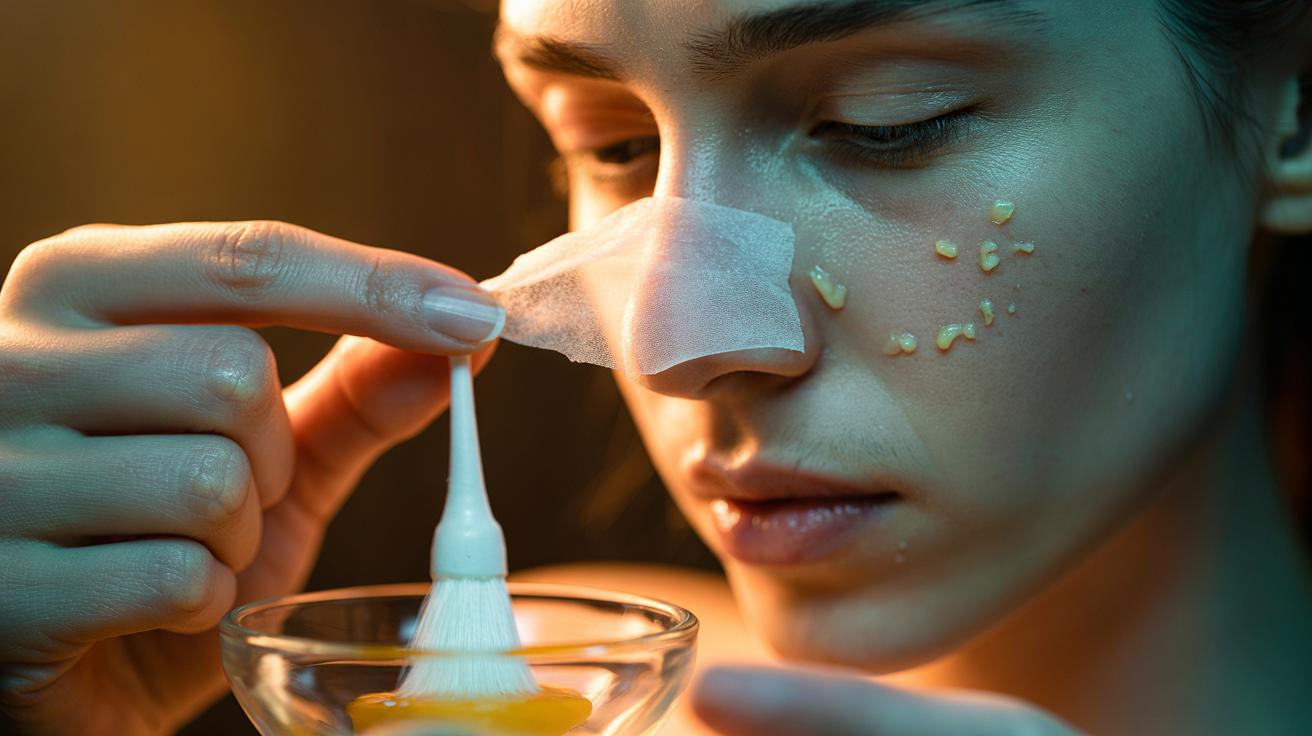
Fresh egg white is rich in albumin, a protein that unfolds and bonds as water evaporates. Spread thinly over the nose and covered with a porous layer like tissue, it creates a tightening film. As it dries, the film contracts slightly and adheres to the mix of oil, dead cells, and micro-debris that line pore openings. Peel it away and you often see pale, tapered “threads” along the underside—those are sebaceous filaments lifted from the surface portion of the pore channel. The tactile payoff resembles a Bioré pore strip because both rely on mechanical adhesion to dislodge material.
Egg white does not “empty” a pore from root to tip, but it can remove superficial plugs and dull the look of dots on the nose. The sensation of tightness is not just perception; it reflects protein coagulation and film formation. The result is often smoother texture and short-term clarity, especially on oilier skin or around enlarged pores.
The Science: Albumin, Adhesion, and Sebaceous Filaments
Sebaceous filaments are normal structures that help channel sebum to the surface. They are not the same as oxidised blackheads (open comedones). Under magnification, filaments are pale or grey and cylindrical; blackheads appear dark at the tip due to melanin and lipid oxidation. Egg white works because albumin’s denatured network bonds to keratin at the follicle opening and to the lipid film sitting within it. Add a fibrous scaffold—like tissue—to increase contact area, and the film achieves enough grip for mechanical removal when peeled at a low angle.
Commercial strips use polymer adhesives engineered for consistent tack, while egg white is a natural, variable adhesive. Still, the physics overlaps: capillary action into pore openings, solidification, then shear. What you pull out is mostly surface material, not a permanent fix. Expect pores to refill with sebum within days as glands keep working. Overuse can disrupt the skin barrier, so spacing applications matters.
A Safe At-Home Method: Step-by-Step
1) Cleanse with a mild, non-stripping wash. 2) Optionally soften the area with a warm (not hot) compress for 2–3 minutes. 3) Separate an egg; use pasteurised egg white if available for hygiene. 4) Whisk lightly. 5) With clean fingers or a brush, apply a thin coat over the nose. 6) Press a single layer of facial tissue or thin paper on top. 7) Paint a second thin layer of egg white over the tissue to seal. 8) Let dry completely—about 10–15 minutes—until the tissue feels stiff. 9) Peel slowly from the edges toward the centre at a low angle. 10) Rinse, then apply a light moisturiser.
Limit use to once every one to two weeks to avoid irritation. Keep the mixture away from lips and eyes. If you’re egg-sensitive, skip this entirely. Discard leftovers; do not store raw egg on the counter. For a gentler routine between sessions, rely on salicylic acid or clay masks to manage oil and keep pores looking clearer without frequent peeling.
Pros, Cons, and When to Skip It
The appeal is obvious: low cost, kitchen-cupboard convenience, and satisfying visual results. It’s biodegradable and free of synthetic fragrance. For oily or combination skin, the method can reduce the look of dots and deliver a photogenic finish pre-event. There is also a subtle temporary tightening from albumin film formation, which makes skin feel smoother to the touch.
Trade-offs exist. Results are temporary, and excessive peeling risks redness or barrier stress, especially on thin or reactive skin. The process is messier than a boxed strip, and raw egg carries a small but real hygiene risk. Avoid if you have active acne lesions, eczema, rosacea flares, or a known egg allergy. If you’re on strong exfoliants or retinoids, allow recovery days between actives and any peel-off treatment. A quick patch test on the jawline helps gauge tolerance before you commit to the nose.
Quick Comparison: Egg White vs Bioré Strips
Both methods target the same visual issue but reach it differently. A Bioré-style strip uses calibrated polymers for consistent stick, quick dry times, and tidy removal. Egg white relies on natural protein chemistry and a tissue scaffold, which can be gentler in tack yet more variable. If your skin is sensitive or you prefer minimal packaging, the DIY route may suit; if you want speed and predictability, a commercial strip wins. The table below lays out the essential differences to help you choose according to skin type, tolerance, and lifestyle.
| Factor | Egg White Strip | Bioré Pore Strip |
|---|---|---|
| Mechanism | Albumin film dries and grips filaments | Polymer adhesive engineered for tack |
| Grip Strength | Moderate, variable | High, consistent |
| Mess/Convenience | Messy prep; low waste | Fast, tidy; more packaging |
| Cost per Use | Very low | Low to moderate |
| Irritation Risk | Lower tack; egg allergy risk | Higher tack; adhesive sensitivity |
| Effect on Blackheads | Best for filaments, limited on true blackheads | Better on stubborn plugs, still not a cure |
Think of egg white as a flexible, eco-leaning option that rewards patience and technique, while Bioré prioritises speed and uniform results. Neither replaces a routine with gentle exfoliation and sun protection, which maintain clarity between extractions.
Protein power explains why an egg white nose strip can mimic the theatre of a pore strip and whisk away sebaceous filaments at the surface. The effect is fleeting yet satisfying, and, with mindful spacing and good hygiene, it can sit comfortably within a balanced routine. If your goal is a camera-ready canvas for a night out, both options deliver a quick polish. The smartest choice is the one your skin tolerates without complaint. Which side do you favour: the kitchen-cupboard classic or the ready-to-go strip—and what does your skin tell you after a month of each?
Did you like it?4.5/5 (27)