In a nutshell
- 🧴 Occlusion with olive oil + cling film locks in moisture, reduces TEWL, and softens the stratum corneum to ease cracks overnight.
- 🛠️ Method: cleanse, apply olive oil (optionally over glycerin/urea), wrap loosely with cling film for 6–8 hours, then rinse and seal with a thick moisturiser.
- 🧪 Why it works: olive oil’s oleic acid and squalene act as emollients; avoid use on inflamed or broken skin and patch-test if eczema-prone.
- 🔄 Alternatives: stronger occlusives like petroleum jelly or lanolin, plus keratolytics such as urea, lactic acid, or salicylic acid for stubborn roughness.
- 🚩 Safety and upkeep: watch for red flags (bleeding fissures, infection, psoriasis signs), consult a GP/dermatologist, and maintain daily moisturising to keep results.
Dry, cracked elbows can feel like sandpaper against clothing and desk edges, a tiny irritation that steals attention all day. A simple kitchen hack has been quietly winning fans: rubbing on olive oil and sealing it with cling film overnight. This isn’t just a homespun ritual; it’s a textbook example of occlusion, a technique used in clinics to trap moisture, soften hardened skin, and speed repair. By reducing water loss and boosting the penetration of emollients, the method can leave elbows noticeably smoother in a single night. Handled wisely, it’s a low-cost, high-impact reset for stubborn rough patches—and a useful lesson in how our skin barrier heals.
What Occlusion Does to Dry, Cracked Elbows
Elbows are frequent victims of friction and cold air, which strip away lipids and amplify transepidermal water loss (TEWL). Occlusion tackles this head-on. When you cover oiled skin with a non-breathable layer, you reduce TEWL and raise surface humidity, letting the stratum corneum rehydrate and swell slightly. That temporary swelling softens hard keratin, easing the tension that opens fissures. Hydrated corneocytes are more flexible, so micro-cracks close and feel less sore.
There’s a second gain: warmth under occlusion increases ingredient absorption. Emollients sink into the gaps between skin cells, acting like mortar between bricks. With classic occlusives such as petroleum jelly, TEWL can drop dramatically; oils, while less occlusive, still help when sealed in. The result by morning is often visible—less ashiness, fewer snagging edges, and a smoother glide. Use this knowledge sparingly, though: too much time under wraps can cause maceration, so reserve it for occasional intensive care.
How to Try the Olive Oil and Cling Film Method Overnight
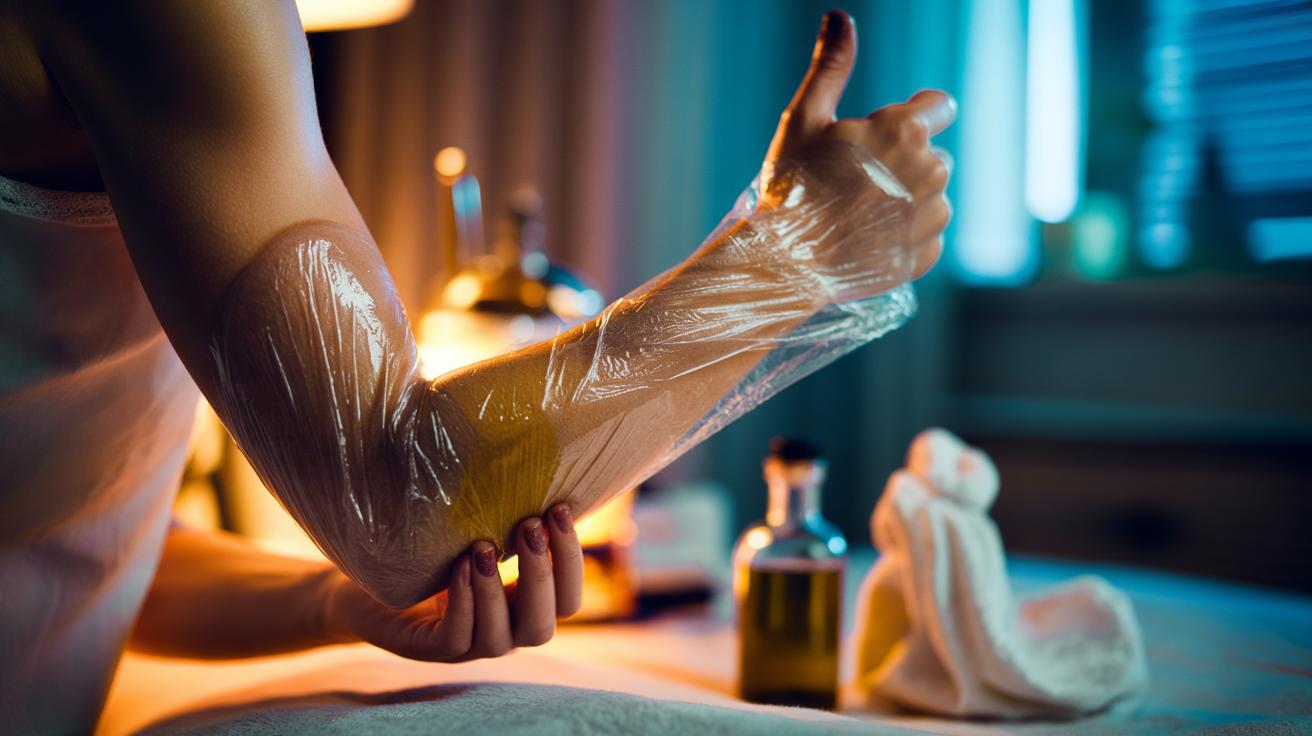
Begin with clean, dry elbows. Warm one to two teaspoons of extra-virgin olive oil between your palms and massage each elbow for a full minute to boost circulation and drive oil into the roughest patches. For a hydrator boost, you can first apply a thin layer of glycerin or a urea-based moisturiser, then the oil. Wrap each elbow loosely in cling film, avoiding tight turns that could mark or compress the skin, and slip on a soft cotton sleeve to hold the wrap in place.
Leave the occlusion in place for 6–8 hours. In the morning, remove the film, rinse with lukewarm water and a mild cleanser, and pat dry. Seal the gains with a thick moisturiser—look for urea (10%), lactic acid (5–10%), or plain petroleum jelly if you need extra protection that day. Do not use this method on broken, infected, or inflamed skin. If you’re prone to eczema, patch-test first and consider using a gentler occlusive like petroleum jelly instead of oil.
Olive Oil’s Skin Chemistry: Why It Helps (and When It Doesn’t)
Olive oil is rich in oleic acid and squalene, which act as emollients to soften and plasticise rough patches. Antioxidant polyphenols offer a small bonus against environmental stress. Under occlusion, these lipids penetrate more effectively, making the elbow’s thick skin feel supple by morning. For many adults with simple dryness, that’s a win. Yet nuance matters: high-oleic oils may disrupt the barrier in some people with eczema-prone skin, particularly infants. If your elbows sting after application, stop and switch to a bland occlusive. Unrefined oils can also carry natural fragrance compounds that irritate sensitive types.
Think of olive oil as a useful emollient you can supercharge with occlusion—good for occasional, targeted rescue. For heavy-duty cracks, dermatology stalwarts like petroleum jelly, lanolin, or urea-based creams deliver stronger barrier support. Pairing humectants (glycerin, urea) beneath an occlusive often outperforms any single product.
| Occlusive/Emollient | Occlusion Strength | Key Benefit | Watch-outs |
|---|---|---|---|
| Olive oil | Light–moderate (under film) | Softens, improves glide | May irritate eczema-prone skin |
| Petroleum jelly | Very high | Locks in moisture, reduces TEWL markedly | Greasy feel, fabric transfer |
| Lanolin | High | Strong barrier, great for fissures | Potential allergy in sensitive users |
| Shea butter | Moderate | Creamy emollience, comfortable wear | Less occlusive than petrolatum |
Safer Alternatives and When to Seek Professional Help
If the olive oil-and-wrap trick isn’t your match, try a classic occlusive balm or a urea cream (10–20%) before sealing with cling film. Urea and lactic acid act as humectant-keratolytics, gently dissolving hard build-up while drawing in water. For callus-like thickening, a night or two with salicylic acid (2–6% body product) under a thin occlusive layer can help, followed by daily bland moisturiser. Maintain results by moisturising after showers, wearing long sleeves on abrasive desks, and washing with a low-foaming cleanser. Consistency beats intensity for keeping elbows soft.
Red flags deserve a clinician’s eye: deep, painful fissures that bleed; yellow crust or spreading redness; sharply demarcated plaques that suggest psoriasis; or chronic darkening and thickening that doesn’t respond to care. Diabetics and those with circulatory issues should be cautious with any occlusion. If issues persist beyond two weeks, consult your GP or a dermatologist for tailored treatment, which may include prescription-strength keratolytics or steroid creams in inflammatory conditions.
Used thoughtfully, the olive oil plus cling film method is a quick route to smoother elbows, marrying kitchen-cupboard simplicity with dermatological logic. It hydrates, softens, and seals—often delivering that gratifying “overnight” difference. The key is to apply it selectively, avoid irritated skin, and follow up with daily barrier care so the gains last. For stubborn cases, step up to urea or petroleum jelly, and get medical advice when warning signs appear. What would your ideal overnight elbow routine look like if you combined this occlusion trick with a daily moisturising habit you’ll actually keep?
Did you like it?4.3/5 (27)