In a nutshell
- 🍬 Salt amplifies sweetness by suppressing bitterness and boosting aroma; sodium enhances receptor response and salivation, making desserts taste brighter, cleaner, and less cloying.
- 🧂 Practical baking techniques: start small (about 0.5–0.8% of flour weight), blend fine sea salt with sugar for even distribution, add a pinch to custards and meringues, and lightly salt macerated fruit to heighten perfume.
- ✨ Texture matters: use fine salt for seamless integration and flaky sea salt as a finishing touch for vivid bursts; if uncertain, under-season the base and finish on top for control.
- ⚖️ Choose and measure wisely: avoid iodised table salt in delicate sweets, mind volume-to-weight differences (fine vs kosher), and keep a consistent “baking salt” for reliable results.
- 🌍 Cultural cues and pairings: from Breton salted caramel to Japanese soy glazes, global traditions prove contrast works—try chocolate with olive oil and flakes, balsamic strawberries, or smoked salt on peanut fudge.
A pinch of salt in pudding or pie feels counter‑intuitive, yet it’s the oldest culinary trick in the book. Bakers know that sweetness without balance tastes flat; a measured saline note lifts aromas, brightens fruit, and deepens chocolate. Think of it as contrast on a photograph: shadows sharpen the light. A very small amount can make a dessert taste more, not less, sweet. From salted caramel to strawberry tarts, this is less about brine and more about control. The right grain, the right moment, the right quantity—suddenly your flavours pop, textures seem silkier, and the finish lingers just a little longer.
The Science of Salt and Sweetness
On the tongue, sweetness does not exist in isolation. Salt interacts with taste receptors, toning down bitterness while amplifying perceived sweetness. Sodium ions influence how certain channels fire, modulating bitter notes that can dull fruit, cocoa, or coffee-based desserts. Reduce bitterness and the brain reads what remains as sweeter and rounder. There’s also a nose factor: salt promotes salivation, carrying volatile aroma compounds more effectively to the olfactory receptors, where much of flavour is actually perceived.
Contrast matters. When a caramel or ganache contains a whisper of salt, the palate detects micro-surges of intensity, a dynamic that makes each bite feel brighter. Texture plays a role too. Fine salt dissolves uniformly, shaping the base flavour; flaky crystals deliver little punctuation marks of taste as they melt on the tongue. The result? A more dimensional dessert experience, less cloying, more complex. Balance is the goal. Not a salty profile, but a calibrated sweetness that feels vivid, clean, and confident from first aroma to final echo.
Practical Techniques for Home Bakers
Start small. For cakes, cookies, and brownies, use fine sea salt at roughly 0.5–0.8% of flour weight—about 1/4 to 1/2 teaspoon per 250 g flour. Blend salt with sugar before creaming to ensure uniform distribution. In custards and ice creams, dissolve a pinch directly into the warm dairy; it integrates seamlessly and sharpens vanilla or coffee notes. For meringues, a pinch at the whisking stage stabilises proteins and curbs eggy harshness. With fruit, a dusting of salt during maceration heightens perfume and reins in sourness without spiking sugar.
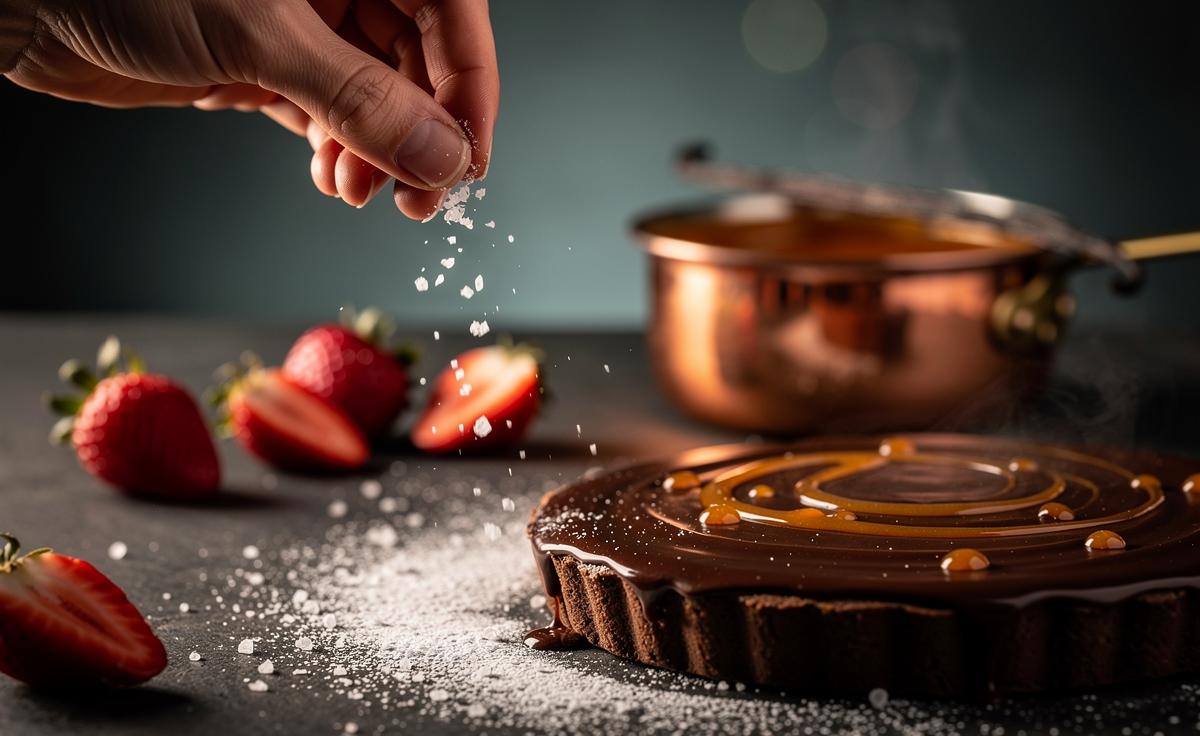
Use flaky salt as a finisher. A few crystals on chocolate tart, brownie edges, or caramel sauce create delightful contrast. Fold miso or soy (both saline) sparingly into butterscotch for quiet depth. Keep a tasting spoon at hand; taste the batter, then the baked result, because heat can soften salt’s impact. If in doubt, under-season the base and finish on the surface. Remember density differences: kosher, fine sea, and table salt measure differently by volume. When precision matters, weigh. When instinct guides, add a grain, pause, taste, and let restraint be your secret weapon.
Choosing the Right Salt for Desserts
Not all salts are created equal. Crystal size, purity, and mineral content change how they dissolve and read on the palate. For batters and custards, fine sea salt integrates invisibly; for finishing, airy flakes give sparkle without harshness. Choose the texture that matches the job—blend for structure, sprinkle for drama. Avoid iodised table salt in delicate sweets; iodine can impart a metallic aftertaste that muddies vanilla and fruit.
| Salt Type | Crystal/Texture | Best Dessert Uses | Flavour Impact |
|---|---|---|---|
| Fine sea salt | Small, fast-dissolving | Batters, custards, syrups | Clean, consistent seasoning |
| Sea salt flakes (e.g., Maldon) | Light, flaky | Finishing brownies, caramels | Crunch, bright bursts |
| Kosher salt | Coarse, low density | Doughs, crumb toppings | Gentle salinity, easy to pinch |
| Himalayan pink | Medium grains | Finishing creams, fruit | Mild mineral warmth |
| Smoked sea salt | Flaky or coarse | Chocolate, caramel, nuts | Savoury-smoky accent—use lightly |
Mind conversion: 1 teaspoon fine sea salt is saltier than 1 teaspoon kosher. If swapping, reduce or weigh (2–3 g per teaspoon varies by brand). Consistency beats guesswork. Keep one “baking salt” for recipes and another for finishing so your hand learns the difference. The result is reliable, repeatable sweetness with lifted, confident flavours.
Cultural Inspirations and Signature Pairings
Across cuisines, cooks pair salt with sugar to heighten pleasure. Brittany’s sablés and salted caramel are classics. In Japan, soy and rice syrup glaze dango with balanced savoury-sweet. In Mexico, chocolate meets salt (and chilli) for vibrancy. Indian street vendors dust mango with salt to intensify ripeness. These traditions prove that contrast makes sweetness sing. Borrow the idea and adapt it to your pantry, season, and style.
Try these pairings. Dark chocolate with olive oil and sea salt flakes. Strawberries with balsamic, black pepper, and a whisper of salt. Roasted pineapple, rum, and flaky salt over coconut ice cream. Espresso panna cotta with a saline caramel thread. Peanut butter fudge with smoked salt for a campfire echo. Even a simple crumble: add a pinch to the oats and another on the hot fruit, and watch the flavours expand. Keep it light. Think punctuation, not prose. A few grains deliver clarity; too many write a different story entirely.
Used judiciously, salt unlocks desserts. It streamlines sweetness, cools bitterness, and pulls aroma into focus—science meeting craft in every spoonful. A measured pinch offers more flavour, not more saltiness. Start with fine sea salt in the mix and flakes at the finish, keep notes, and let your palate lead the way. The first time your chocolate mousse suddenly tastes longer, cleaner, richer, you’ll understand the magic. What dessert will you transform tonight with just a pinch, and how will you know when you’ve hit the sweet spot?
Did you like it?4.3/5 (24)