In a nutshell
- 🔪 Sharp means consistent edge geometry at the right angle; Honing realigns the apex, while Sharpening removes metal to rebuild it—keeping knives safer and more predictable.
- 👀 Signs of dullness: tomatoes squash, edges reflect light, the blade slides on a thumbnail, and cutting thumps or wanders; if a quick hone won’t restore bite, it’s time to sharpen.
- ⏱️ Recommended schedules: hone little and often; sharpen every 3–4 months for casual home cooks, 6–8 weeks for daily enthusiasts, monthly for pros; serrated knives need specialist annual care.
- 🛠️ Best methods: use a ceramic/fine honing rod for touch-ups; rely on whetstones (1,000–3,000+ grit) or guided systems for sharpening; avoid aggressive pull-through tools on quality blades.
- 🧪 Frequency depends on steel hardness and cutting boards (end-grain wood or soft plastic are gentler); track results in a simple log to anticipate when the edge will fade.
Even the best chef’s knife loses bite. Steel meets board, fibres fight back, and the edge folds microscopically day by day. In British kitchens where we carve roasts on Sundays and blitz veg on weeknights, the question is persistent: how often should you sharpen kitchen knives? Experts are surprisingly consistent, yet context matters—your steel, your cutting board, your volume of prep. A sharp knife is safer than a dull one, because it tracks straight and demands less force. The rhythm, then, is twofold: regular honing to realign the edge, periodic sharpening to restore it. Here’s how pros set the cadence—and how you can, too.
What Experts Mean by ‘Sharp Enough’
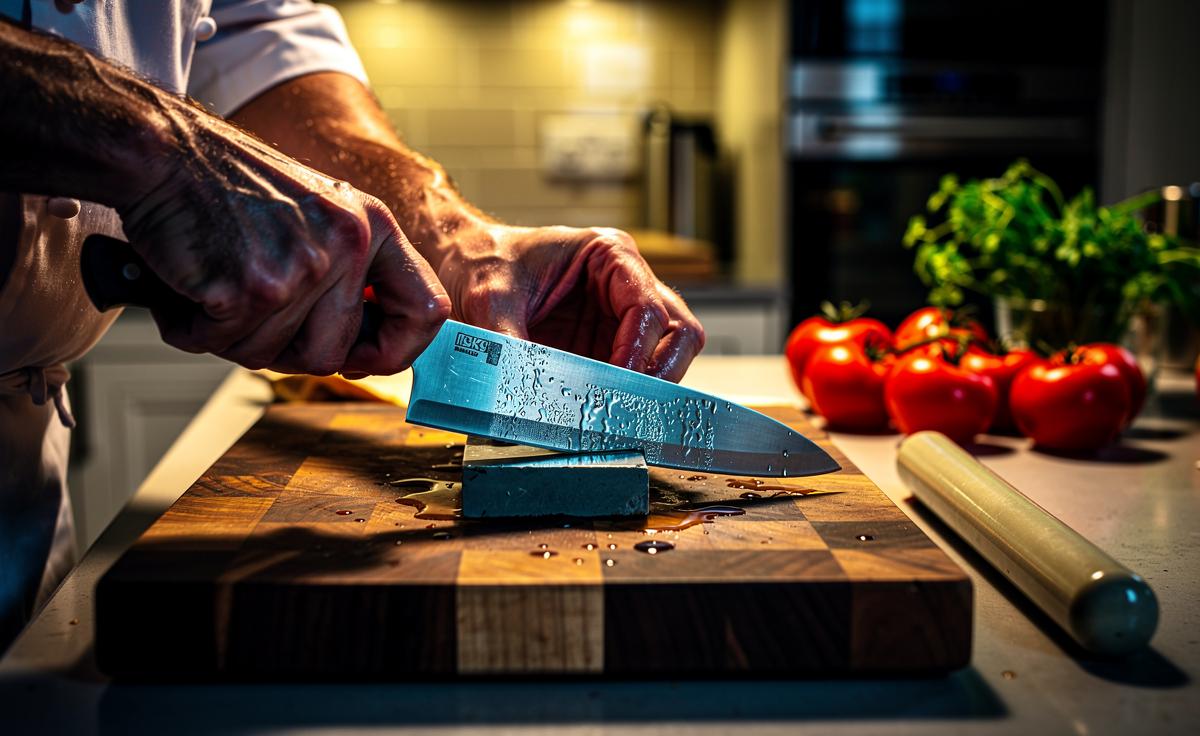
Ask a bladesmith and you’ll hear about edge geometry rather than a mystical ideal. “Sharp” simply means a consistent apex at an appropriate edge angle: typically 15–20° per side for Western knives, 10–15° for many Japanese profiles. Honing straightens that apex when it rolls; sharpening removes metal to rebuild it. A hone preserves, a stone repairs—confusing the two is why many home cooks struggle. Professionals judge sharpness by feel and performance: does the blade bite a tomato skin without pressure, slice paper cleanly, or shave delicate herbs without bruising?
Material matters. Softer European steels (often 56–58 HRC) trade toughness for easier maintenance and benefit from frequent honing. Harder Japanese steels (60+ HRC) hold an edge longer but need careful technique on stones to avoid chipping. Even the board beneath your blade plays a role: bamboo and glass punish edges, while quality plastic or end-grain wood is gentler. Your target is consistency, not obsession. If the edge behaves predictably through a week of cooking, it’s sharp enough for real work.
Signs Your Knife Needs Attention
Performance gives the first clue. If tomatoes squish before they slice, if onions skate under the blade, or if carrots “ping” and split rather than cut, the edge is rolling. When you start adding force to finish simple cuts, it’s time to intervene. Visual checks help: hold the edge under bright light. Any bright glint along the bevel is a flat spot reflecting light—a dull patch. Lightly drawing the knife across a thumbnail at a shallow angle (no pressure) should feel grippy, not slick; if it slides, the apex is gone.
Texture on the board tells tales too. A sharp knife tracks straight and quiet; a dull one thumps and wanders. If honing with a ceramic rod no longer restores bite for more than a meal or two, you’ve crossed into sharpening territory. Finally, time is a proxy. Heavy prep—big batch cooking, daily family dinners—shortens intervals between maintenance. Occasional use stretches them, but even drawer queens oxidise and deform microscopically. Build a routine, not a rescue mission.
Recommended Sharpening and Honing Schedules
Experts suggest a cadence tuned to frequency of use, blade steel, and cutting surface. Think of it as an MOT for your knives. Hone little and often; sharpen on a schedule or when performance drops noticeably. For most home cooks, a quick hone before big sessions and a proper sharpen a few times a year is plenty. Professionals on the line often hone during service and book monthly stone sessions or a reputable UK mobile service. Harder steels extend the sharpening gap but punish sloppy technique; softer steels need more frequent touch-ups and benefit from a modest micro-bevel for durability.
| User/Use Level | Honing (Rod) | Sharpening (Stones/System) | Notes |
|---|---|---|---|
| Home cook, 3 nights/week | Every session or weekly | Every 3–4 months | Use end-grain wood or soft plastic boards |
| Enthusiast, daily prep | Before major prep | Every 6–8 weeks | Light 1,000/3,000 grit routine maintains bite |
| Pro kitchen, heavy line | During service as needed | Monthly or sooner | Schedule with a trusted sharpener |
| Hard Japanese steel (60+ HRC) | Occasionally; favour ceramic | Every 3–6 months | Gentle touch; avoid aggressive steels |
| Serrated knives | Not applicable | Annually | Use specialised tools or services |
Methods That Matter: Stones, Rods, and Systems
A honing rod (ceramic or fine steel) realigns the edge quickly. Five to eight light strokes per side, heel to tip, are enough; keep the angle consistent. If honing doesn’t restore clean slicing within a minute, stop and sharpen. For sharpening, whetstones remain king: a 1,000 grit to set the edge, 2,000–3,000 to refine, 6,000+ for polish if you like push cuts. Guided systems offer repeatability with less practice, ideal if you’re nervous about angles. Pull-through gadgets are tempting but can be coarse and remove too much metal; reserve them for utility knives, not treasured gyutos.
Time-pressed? Many UK high streets and markets host reliable sharpeners; expect a modest fee per blade. Do ask about heat control and angles they use. Keep sessions short to avoid overheating, wipe the blade afterwards, and finish with a few passes on leather or newsprint to de-burr. Whatever method you choose, aim for minimal removal and maximum control. You’re maintaining a tool, not carving a new one every time.
There’s no single calendar date for every cook, only a smart rhythm: hone to maintain, sharpen to restore, and let food be the judge. Frequency follows use, your board, and your steel, not superstition. Keep a simple log—last sharpen, how it felt, what grit you used—and you’ll soon predict when the edge fades. The goal is effortless, safe, enjoyable prep that respects your ingredients and your hands. With your knives on a steady maintenance beat, what change will you make first: better boards, a ceramic rod, or a standing date with a stone?
Did you like it?4.5/5 (27)