In a nutshell
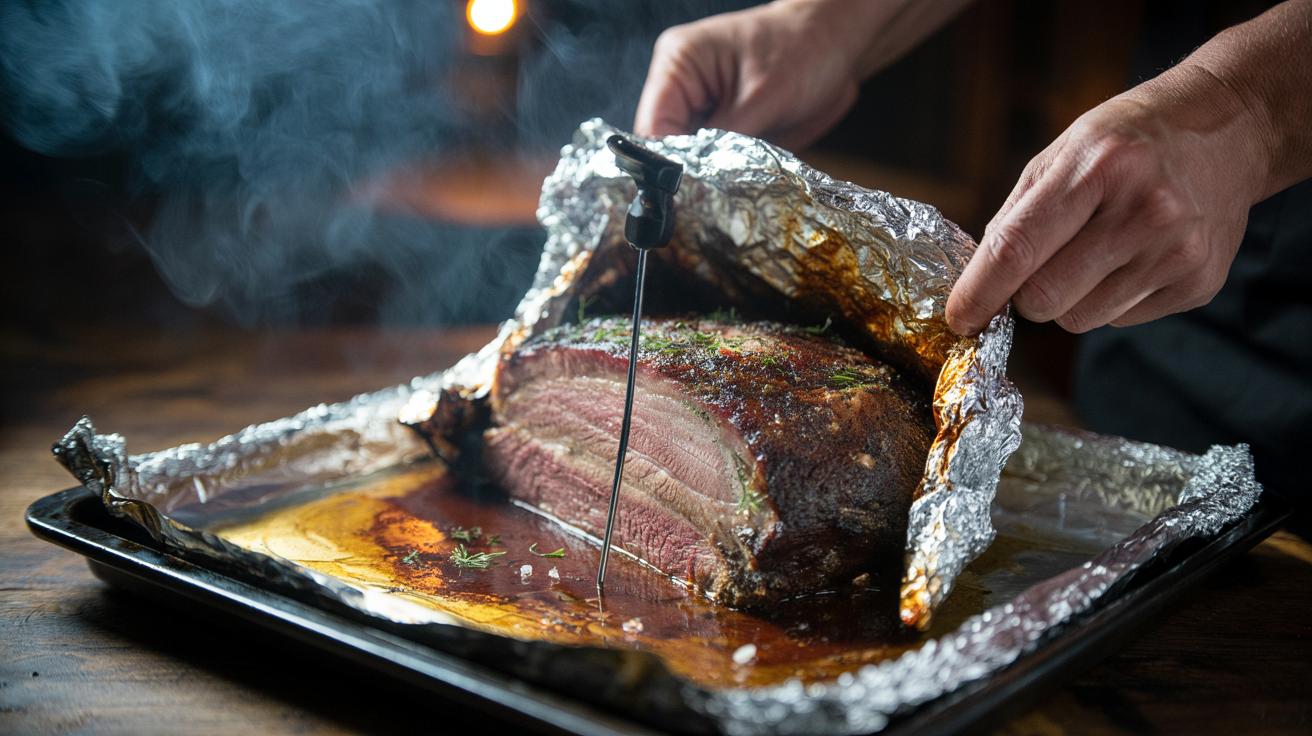
- 🧪 Foil creates a vapour barrier that limits evaporative cooling, evens heat, and speeds collagen-to-gelatine conversion for juicier, tender meat.
- ⏱️ Accelerates the cook via the Texas crutch: wrap around 65–75°C internal to push past the stall, saving time while keeping moisture and consistency.
- 🥩 Technique first: build a Maillard crust uncovered, then wrap; tent poultry, seal fish, and finish unwrapped if bark or skin needs crisping.
- 📊 Cut-specific cues: brisket and pork shoulder wrap when bark/colour is set; chicken gets a final tent; salmon cooks sealed; steaks rest briefly in foil.
- 🌍 Sustainability and safety: choose recycled foil, reuse clean sheets, avoid direct contact with acidic sauces at high heat, or buffer with parchment.
In UK kitchens and back-garden grills alike, the promise of succulent, flavour-packed meat often hinges on one humble tool: aluminium foil. When used with intent, foil acts like a mini-oven within your oven, trapping steam and guiding heat evenly around the joint. That sealed microclimate curbs moisture loss and concentrates aromatics at speed, making midweek roasts and slow-barbecue projects both juicier and more reliable. Critics worry about a compromised crust or diluted taste, but the real secret is timing and technique. Wrap during the right window, not from the start, and foil becomes a precision instrument rather than a blanket. Here’s how it swiftly locks in flavour—and how to wield it like a pro.
The Science of Moisture Retention
Foil’s power lies in controlling phase change. As meat heats, surface moisture wants to evaporate, dragging energy away and slowing cooking. A tight foil wrap creates a vapour barrier that limits evaporative cooling, so the core pushes through stubborn temperature plateaus with less stress. The result is accelerated tenderness without bleeding out juices. Inside the wrap, aromatic compounds—from rendered fat to spice rubs—recirculate rather than dissipate, building a richer, more integrated flavour profile. Think of it as capturing the bouquet that otherwise escapes into the oven.
Crucially, foil also stabilises heat distribution. The reflective surface reduces radiant heat hotspots, while trapped steam evens conduction across the meat’s surface. Collagen begins to convert to gelatine earlier, transforming tough cuts into lush slices. Pair this with a post-cook rest and you preserve intramuscular juices where they belong. Resting while wrapped keeps juices in the meat, not on the board. Used judiciously, foil doesn’t “boil” meat; it stages a controlled environment that maximises moisture and keeps flavour where you want it.
Speed and Efficiency: How Foil Accelerates Flavour
In barbecue circles, the method has a name: the Texas crutch. Wrap during the stall—often around 65–75°C internal—so the meat charges past that plateau instead of idling for hours. The same principle helps in home ovens for brisket flats, pork shoulder, and lamb shanks. By curbing evaporative loss, foil channels heat into the core, trimming cook time without trimming taste. The gains aren’t merely minutes saved; they’re about consistency. Faster passage through the stall means fewer dry edges and a tighter window for perfect doneness.
There’s also a sensory dividend. As fats render beneath foil, they baste the meat, carrying spices deep into fibres. For roasts, a “tent” finish—foil placed loosely—retains moisture while allowing a whisper of airflow to guard against sogginess. For fish, a tight papillote-style wrap becomes a flavour capsule, capturing citrus, herbs, and wine vapours. Whether you’re cooking on gas, charcoal, or induction-assisted ovens, foil is an economical, low-tech accelerator of both texture and taste.
Techniques Chefs Swear By
Rule one: build your Maillard reaction first. Sear, smoke, or roast uncovered until the exterior is bronzed and aromatic. Then wrap to protect that crust as the interior climbs to target temperature. Never wrap from the start if you want robust browning and nuanced flavour. For large joints, double-wrap with a tight seal to prevent leaks, adding a spoon of stock or tallow only if a cut is very lean. For poultry, tent rather than crimp to preserve skin texture; for fish, seal fully to steam in its own perfumes.
Timing is everything. Wrap when bark is set (it won’t smear to the touch) or when internal probes meet light resistance but not yet butter-soft. Finish unwrapped for a brief blast if the crust needs revival. Season boldly—foil amplifies aromatics, so use fresh herbs, citrus zest, or smoked paprika for lift. Finally, rest in foil for 10–30 minutes depending on size; carryover cooking distributes juices and smooths the temperature gradient.
| Cut | When to Wrap | Key Benefit |
|---|---|---|
| Brisket flat | At 70–75°C internal, bark set | Pushes past stall; protects moisture |
| Pork shoulder | At colour you like, ~68–72°C | Faster collagen breakdown; juicier pull |
| Whole chicken | Tent for final 20–30 minutes | Moist breast; crisp skin preserved |
| Salmon fillet | From the start, sealed | Delicate steam; aromatic infusion |
| Thick steaks | Brief rest in foil after sear | Juice retention; even doneness |
Sustainability and Safety: Using Foil Responsibly
Good cooking is also good stewardship. Choose recycled aluminium foil where possible and reuse sheets that haven’t touched raw juices. Line only what you need, and switch to a lidded casserole or reusable roasting cover for routine braises. Foil is a tool, not a default. For smokers, butcher paper remains an alternative that breathes more, though it won’t lock moisture as efficiently. The sweet spot is using foil strategically for the moments that matter most to flavour and texture.
On safety, avoid contact with highly acidic sauces at high heat to limit potential leaching; use a parchment liner between foil and food if simmering with vinegar or citrus. Don’t wrap so tightly that thermometers can’t be read—precision is your friend. And remember: crisping needs exposure. Unwrap for a final heat kiss if skin or bark softens. With these practices, foil becomes a precise, flavour-locking ally that respects both taste and planet.
Used at the right moment, foil concentrates aromatics, speeds tenderness, and preserves juices without sacrificing a proud crust. The technique is democratic—equally at home in a London flat’s oven or a Yorkshire smoker—and it rewards patience and timing rather than kit. Wrap when flavour peaks, rest to settle, and finish with intent. From brisket to salmon, your path to reliably juicy meat is surprisingly simple and brilliantly swift. What cut will you wrap next, and how will you tweak timing and seasoning to make the method your own?
Did you like it?4.6/5 (20)