In a nutshell
- 🧈 Vinegar’s acetic acid lowers surface pH on butter and dishes, discouraging microbes and slowing spoilage, but does not prevent oxidation.
- 🧪 Use a diluted wipe (about 1 tsp white vinegar per 1 cup water) on butter dishes, lids, and knives; dry thoroughly to avoid moisture before adding butter.
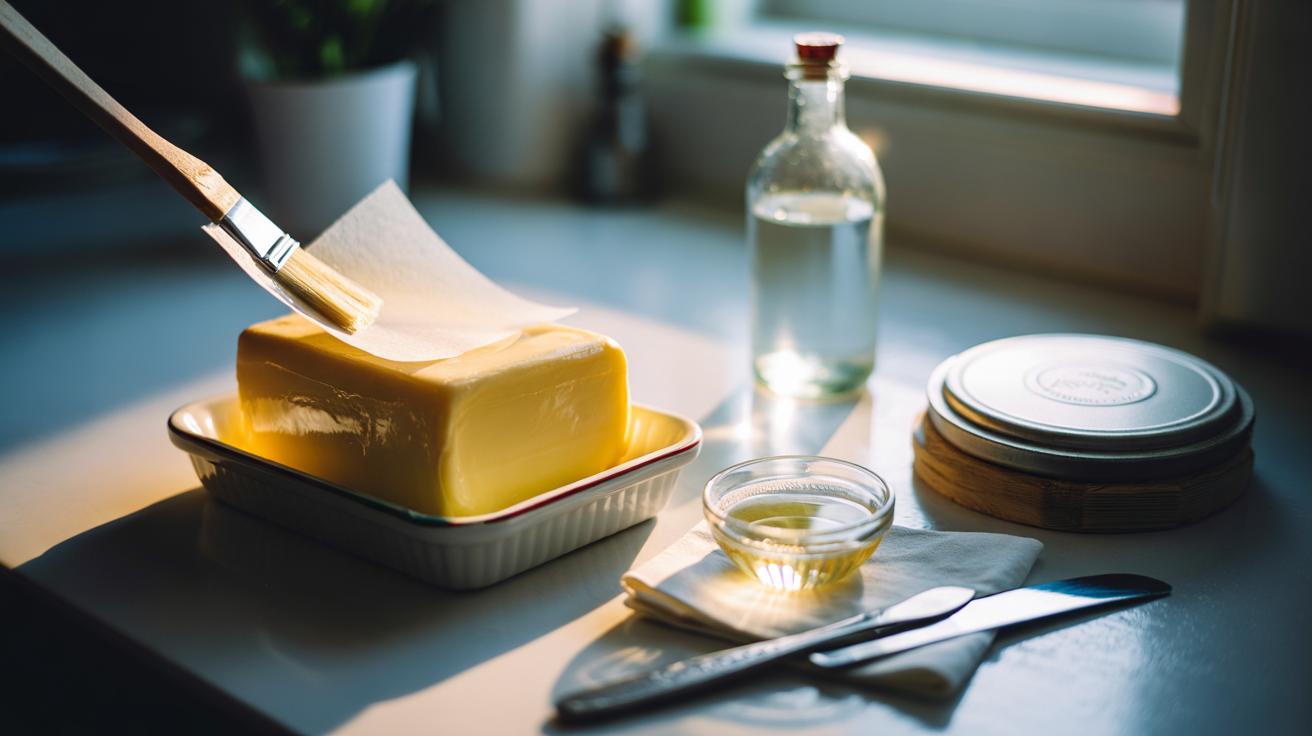
- 🧼 Lightly acidify the exposed face with vinegar-dampened parchment, then rewrap airtight; keep portions small and restore covers immediately after serving.
- ❄️ Multiply the effect with smart storage: cold, dark, airtight conditions, avoid the fridge door, choose salted or cultured butter for added resilience, and freeze portions for long holds.
- ⚠️ Protect flavour: use vinegar sparingly, never to mask rancidity; discard at signs of mold, off-odours, or “painty” notes, and consider ghee for heat-prone kitchens.
Butter spoils in two ways: it turns stale through oxidation, and it grows off-flavours or mold as microbes find the water droplets hidden in its rich emulsion. A quiet kitchen trick tackles the second route. Vinegar. The gentle acidity of acetic acid can nudge conditions away from microbe-friendly without changing your breakfast routine. Used smartly, it helps opened butter stay fresher for longer by keeping the surface clean and the storage environment less hospitable to spoilage. There’s no magic here, just chemistry and housekeeping. Vinegar slows microbes; it does not stop oxidation. Pair it with cool temperatures, airtight wrapping and good habits and you’ll stretch the life of every pat.
Why Vinegar Helps Butter Last Longer
Butter is mostly fat, yet not entirely. It’s a water-in-fat emulsion, with tiny droplets of water dispersed through fat. Those droplets are where spoilage begins. Many bacteria and molds prefer a neutral pH, but white vinegar (about 5% acetic acid) lowers pH on contact. When you lightly acidify the surface of butter or the dish that holds it, you make life harder for unwanted microbes. That doesn’t sterilise anything. It tips the balance. The goal is deterrence, not disinfection.
There’s a second benefit. Kitchen knives, butter bells and dishes often carry crumbs and invisible smears of milk proteins. These are prime fuel for microbes. A brief wipe with diluted vinegar can reduce that microbial load between uses. Crucially, acetic acid has a strong flavour, so restraint matters. You’re not pickling butter; you’re gently acidifying its environment. Keep expectations honest too. Vinegar won’t halt rancidity, the painty, cardboard-like off-flavour caused by fat oxidation. For that, you need cool storage, darkness and minimal oxygen. Used together, these measures can maintain the bright, creamy notes that define good butter.
Step-by-Step: Vinegar Methods You Can Trust
Start with the container. Mix a mild solution: 1 teaspoon of white vinegar in 1 cup of cold water. Wipe your butter dish, lid and knife handles with a clean cloth dipped in the solution, then dry thoroughly. This lowers surface pH without leaving a strong aroma. Always dry the dish before adding butter; standing moisture invites trouble.
For opened sticks or pats, create a protective barrier. Lightly dampen a square of parchment with the same diluted vinegar, wring it out well, then wrap the cut surface only. Overwrap with foil or an airtight tub to block oxygen and odours. Prefer not to touch the butter? Rinse your knife in the diluted solution, wipe dry, and use it to smooth the exposed face—just enough contact to acidify the surface film, not enough to flavour it. Replace the wrap immediately after serving.
For frequent, room-temperature service, adopt a routine: refresh the vinegar wipe of the dish every day or two, store the dish as cool as the room allows, and keep it covered. If you notice any sharp vinegar note, you’re using too much—reduce the ratio or switch to cleaning the dish only. Use gentle acidity sparingly; precision prevents flavour taint.
Storage Rules That Multiply the Effect
The vinegar trick is a helper, not the whole plan. Temperature remains king. Keep butter in the coldest, darkest part of the fridge, ideally at 3–5°C. Avoid the door, where temperatures swing and oxidation accelerates. Divide large blocks into small, tightly wrapped portions to reduce air exposure with each opening. Choose foil or waxed paper plus an airtight box; light and oxygen are the enemies of flavour. For long pauses between bakes, freeze portions promptly. Thaw overnight in the fridge, still wrapped, to avoid condensation.
Salt helps. Salted butter naturally resists microbial growth better than unsalted, though both benefit from clean handling. Cultured butter, slightly tangy, has a lower pH and similar protection. The vinegar step adds a thin layer of insurance to opened, handled butter, especially in a butter dish that sees knives, crumbs and warm kitchens. Keep butter cold, air-tight, and shielded from light; vinegar then tackles the surface risks you can’t see.
| Butter Type & Setting | Baseline Shelf Life (Fridge) | Effect of Vinegar Steps | Freezer Life | Key Tip |
|---|---|---|---|---|
| Salted, wrapped, unopened | Up to 3 months | Minimal change | 6–9 months | Keep in original foil |
| Unsalted, opened | 2–4 weeks | Helps guard surface from mold | 6–9 months | Portion and wrap tightly |
| Butter dish, frequently handled | 3–7 days | Vinegar-wiped dish can add a few days | Not applicable | Keep cool, covered |
Flavor, Quality, and Red Flags
Good butter tastes sweet, clean, and creamy. Handle vinegar with a light touch to keep it that way. Work with diluted solution, dry surfaces, and focus on the dish and wrap rather than soaking the butter itself. If you detect a persistent tang where it wasn’t before, pull back. Or switch to only wiping utensils and the dish. Flavour is the first priority; protection should be invisible.
Know when to bin it. Visible mold, blue or green flecks, a cheesy or fishy smell, or a slick surface that tastes metallic or “paint-like” signal spoilage or rancidity. Discard without tasting more. Don’t trim and hope; mold roots can tunnel. Keep butter away from pungent foods; it is a sponge for odours. For heat-prone kitchens, consider clarified butter or ghee for cooking, and keep spreadable portions small. Remember, vinegar’s role is targeted: reduce surface microbes and keep the environment unfriendly to them. Never use vinegar to mask rancidity; when in doubt, throw it out.
Used wisely, vinegar is a humble ally that slows surface spoilage, especially on opened butter that’s handled daily. Team it with cold storage, tight wrapping and portion control, and you’ll stretch quality without sacrificing flavour. It’s simple, cheap, and easy to adopt—no gadgets required, just cleaner conditions and a touch of acidity. What part of your butter routine will you tweak first: the dish hygiene, the wrapping, or the size of the portions you keep at the ready?
Did you like it?4.5/5 (23)