In a nutshell
- 🧂 Salt tenderises fast: Creates a light brine, loosens muscle fibres, dissolves some myosin, and helps meat retain moisture—letting you halve marinating time without sacrificing juiciness.
- ⏱️ Precise ratios and timing: Use 0.8–1.2% salt by meat weight; thin steaks 20–35 min, thicker cuts 45–60 min, chicken 30–90 min, fish 10–20 min. Weigh salt and adjust for grain size.
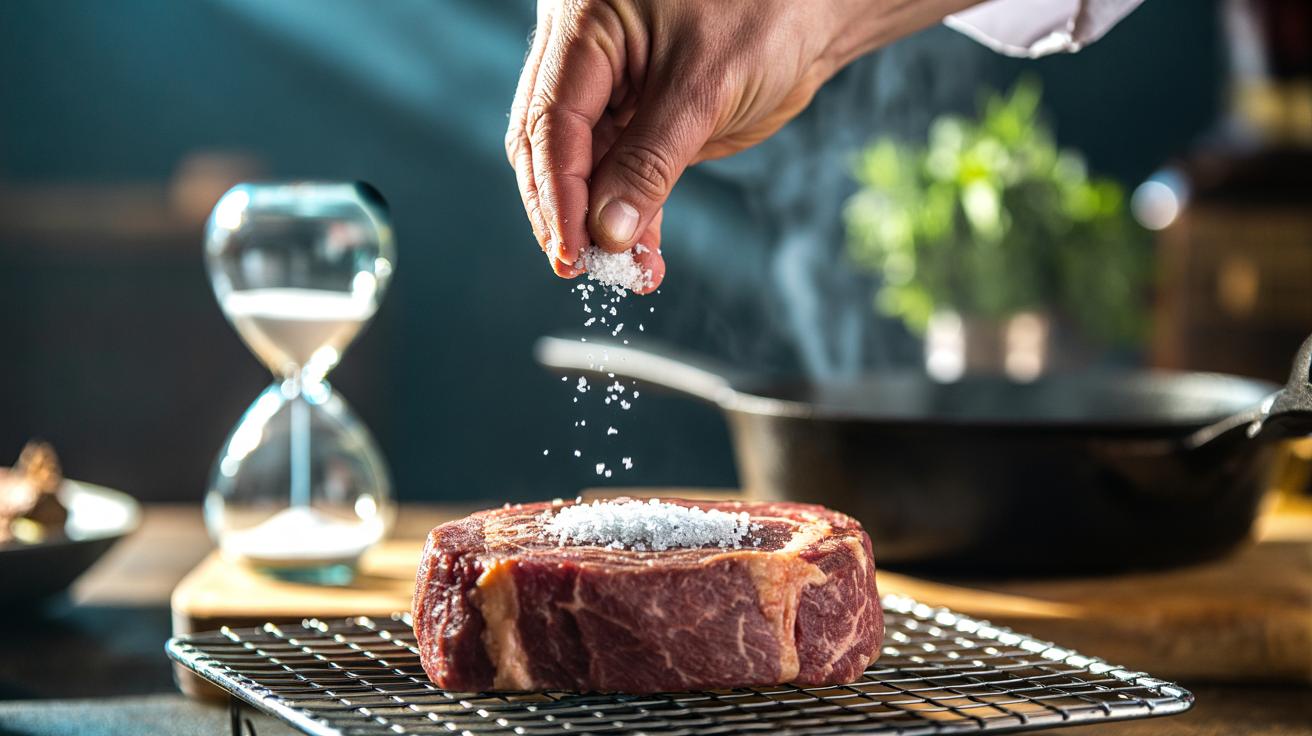
- 🔧 Rapid method: Pat dry, salt evenly (about 1%), rest on a rack, then pat dry again, oil lightly, and cook. Add acid and herbs at the end for brightness without toughening.
- 🔥 Better browning, safer texture: Keep surfaces dry for crust; rest at room temp within safe limits; avoid oversalting—fine table salt is denser than kosher; measure in grams when possible.
- 🍽️ Smart pitfalls and pairings: Skip long acidic baths when speed matters; either go quick or brine long. Flavour wins: beef with pepper/soy, pork with fennel/garlic, chicken with smoked paprika/lemon, fish with dill and restraint.
In busy kitchens, marinades promise flavour but demand time. Salt promises both. Used smartly, this pantry staple can tenderise meat and speed up seasoning, meaning dinner lands on the table sooner without sacrificing succulence. The trick is understanding how sodium reshapes protein and moisture. A few grams, a short wait, and a clear plan can halve your marinating window and heighten taste. It’s not magic. It’s chemistry you can taste, from weeknight steaks to Sunday chicken. Salt lets you trade hours for minutes while keeping juices where they belong: in the meat. Here’s how to do it, precisely and reliably, every time.
How Salt Tenderises Meat Faster
Salt doesn’t just sit on the surface. It moves. As it dissolves, it draws out a little moisture, then dissolves into that liquid and re-enters the meat, carrying flavour inwards. This two-way traffic creates a light brine at the surface, which loosens muscle fibres and dissolves some myosin, the sticky protein that can make meat tight and squeaky. Looser fibres mean a softer bite. Crucially, salt helps protein hold onto water during cooking, so your steak stays juicy even after a hard sear. That’s why a well-salted chop can feel more tender than one drowned for hours in a harsh acid marinade.
Acid has a place, but it works differently. Citrus and vinegar denature proteins aggressively and can turn the exterior mushy before the centre tastes seasoned. Salt is gentler. It seasons evenly and improves texture while guarding moisture, especially when used at sensible levels and for short periods. With the right ratio, you can cut marinating time by half—sometimes more—without forfeiting flavour. Think 30 minutes instead of an hour for thin steaks, or 45–60 minutes for thicker cuts that would normally demand two. Quick, clean, effective.
Ratios, Grain Size, and Timing That Cut the Wait
Precision beats guesswork. For quick tenderising and seasoning, aim for 0.8–1.2% salt by meat weight. That’s 8–12g per kilogram of meat, or roughly 1–2 teaspoons of kosher salt per kilo (grain size alters volume, so weigh if you can). Fine table salt is denser; use less by volume. Kosher or flaky sea salt spreads evenly, dissolves predictably, and is easier to rub into crevices. Measure by grams when possible to avoid over-salting, especially with fine salts. Time is your ally: quick salting transforms the first centimetres of meat rapidly, giving you flavour and tenderness on weeknights.
| Meat/Cut | Salt Ratio (by weight) | Grain | Time Window | Notes |
|---|---|---|---|---|
| Thin steaks, chops (2–3 cm) | 1.0% | Kosher/flaky | 20–35 min | Halves typical marinade time |
| Thick steaks, pork loin | 1.0–1.2% | Kosher | 45–60 min | Dry surface before searing |
| Chicken thighs/legs | 1.0–1.5% | Kosher | 30–90 min | Skin crisps better when patted dry |
| Fish fillets | 0.6–0.8% | Fine/Kosher | 10–20 min | Avoid oversalting; very quick |
For whole-bird brining, use 1.5–2% in water for a short dunk, but for fast weeknight cooking, a dry salting is tidier and just as effective. Always rest salted meat at room temperature within safe limits to speed diffusion, then pat dry. Dry surfaces brown; wet ones steam. If adding spices, mix them with the salt so flavour piggybacks on diffusion rather than sitting idle on the crust.
Step-by-Step: A 20–60 Minute Salt Marinade
1) Weigh or estimate your meat. Calculate salt at 1%. 2) Pat meat dry. 3) Sprinkle salt evenly on all sides, including edges. Add ground spices, a pinch of sugar for browning, and crushed garlic if you like; rub lightly. 4) Rest on a rack or plate. Thin cuts: 20–35 minutes. Thicker steaks or chops: 45–60 minutes. Chicken thighs: 30–90 minutes. Fish: 10–20 minutes only. Do not leave fish in salted contact for longer—texture suffers fast. 5) Just before cooking, wipe off excess moisture, then re-apply a whisper of oil.
Want herb or citrus brightness? Add it late. Splash on lemon, vinegar, or a quick glaze in the final minutes of cooking or immediately after. This preserves zest without letting acid toughen the exterior. For wok or grill, keep the surface dry so you can develop a deep crust quickly, locking in the brine-induced juiciness. Rest cooked meat briefly so redistributed juices don’t flood the board. Salt first for tenderness, acid last for sparkle. The result: fast, flavourful, consistently tender.
Mistakes to Avoid and Smart Flavour Pairings
Over-salting is the common pitfall. Fine table salt packs tightly; a teaspoon can weigh nearly twice as much as coarse flakes. Adjust accordingly. Don’t neglect drying time before heat; moisture on the surface sabotages browning and makes pans hiss and sputter. Skip long acidic baths when speed is the goal. A short salt rest yields cleaner texture and better moisture retention. If cooking later, either salt well in advance (12–24 hours for large roasts) or keep within the rapid window; the in-between zone can taste uneven. Clarity of timing delivers clarity of texture.
Pairings? Beef loves salt + black pepper, a touch of soy for umami, and late-stage butter. Pork adores salt + fennel, garlic, and a spoon of honey brushed on at the end. Chicken sings with salt + smoked paprika and lemon drizzled post-cook. Fish prefers restraint: salt, white pepper, dill or chives, and olive oil. If you need chilli heat, add it after salting to avoid harsh, dusty flavours. For smoky notes without time, finish with a dash of smoked salt at the table rather than in the rub.
Used thoughtfully, salt is both tenderiser and timekeeper. It shortens marinating, deepens seasoning, and protects juiciness, all while simplifying your prep. The science is sound, the method repeatable, and the flavour upgrade immediate. Start small, measure once, and trust the clock. Let salt do the heavy lifting, then finish with herbs, heat, and acid for sparkle. Which cut will you trial first—and what quick flavour twist will you pair with your new, faster salt marinade?
Did you like it?4.2/5 (29)