In a nutshell
- 🌱 Wood ash neutralises soil acidity by supplying reactive calcium compounds, quickly raising soil pH to unlock nutrients and invigorate plant growth.
- 🧪 Test your soil first and dose lightly: typically 70–150 g/m² raked into the top 2–5 cm, then retest before repeating; spot-treat beds with different needs.
- ✨ Adds useful nutrients—especially potassium (potash) and calcium—plus traces of Mg and P; note it’s low in nitrogen, so expect resilience and flowering rather than leafy surges.
- ⚠️ Apply safely: avoid acid-loving plants (blueberries, rhododendrons, camellias, heathers), don’t mix with ammonium fertilisers, keep off potatoes (scab risk), and use only clean, untreated-wood ash.
- ♻️ Best timing is late winter/early spring on still, damp days; spread evenly, water if dry, and add in thin layers to compost—hardwood ash typically provides more potash than softwood.
Gardeners across the UK are rediscovering an old ally hiding in the hearth: wood ash. When used with care, it gently balances soil pH, unlocks nutrients, and breathes life back into tired beds without synthetic inputs. The chemistry is simple yet powerful, the results often swift. But timing, dose, and context matter. Apply only to tested acidic soils and keep it away from lime-sensitive crops. From clay-heavy plots in the North West to sandy borders on the South Coast, there’s a place for this grey powder in most gardening toolkits. Here’s how to use it wisely, safely, and to vibrant effect.
What Wood Ash Is and How It Works
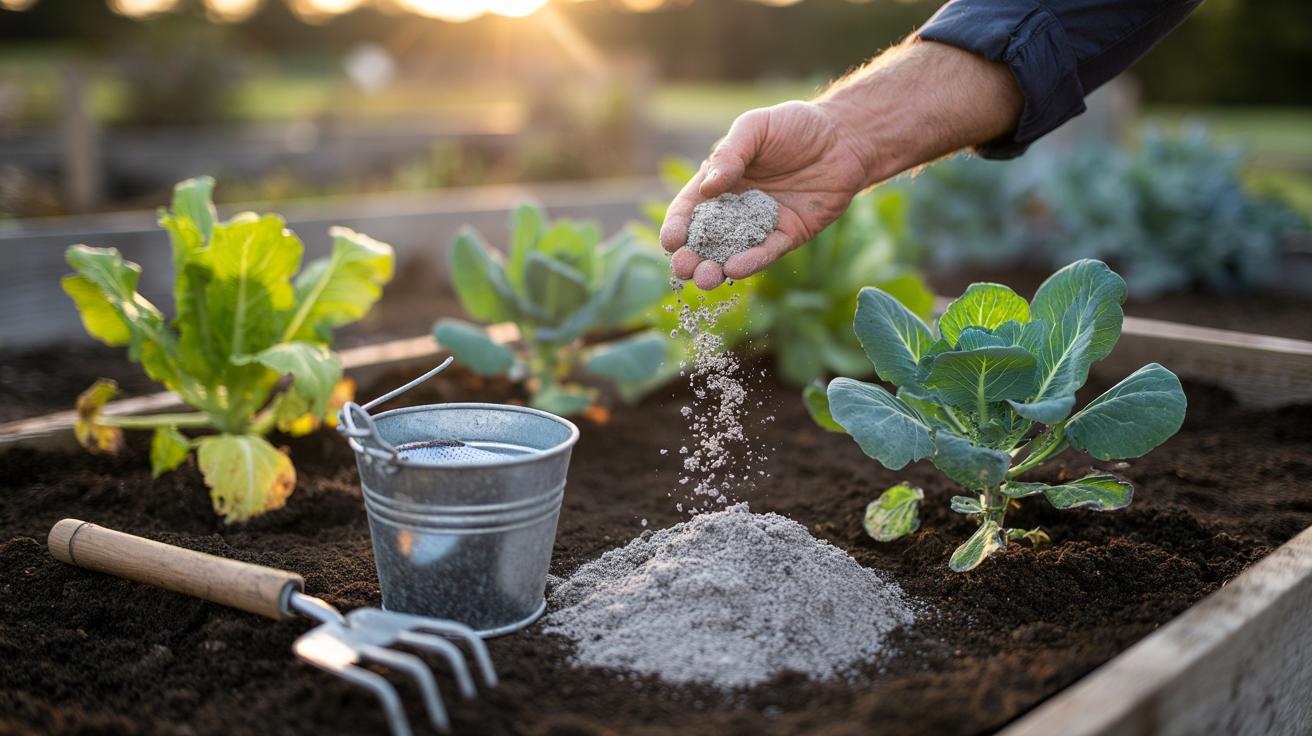
At its core, wood ash is the mineral-rich residue left after burning untreated timber. It’s dominated by calcium compounds—notably calcium carbonate (CaCO3) and calcium oxide (CaO)—which give ash its strong alkalinity. When raked lightly into acidic soil, these compounds neutralise excess hydrogen ions, pushing soil pH upward and reducing acidity. The reaction is fast compared with ground limestone because ash particles are fine and reactive. That speed is a blessing for gardeners who need a boost now rather than next season.
The benefits arrive in layers. By easing acidity, ash can improve microbial activity, release bound phosphorus, and reduce the solubility of potentially toxic aluminium and manganese in sour soils. Plants respond with steadier growth and better nutrient uptake. Because it acts quickly, wood ash is best applied in small, measured amounts and never as a blanket annual ritual. Think of it as a responsive tool rather than a routine. Spread on damp days in late winter or early spring, it integrates neatly and starts working without scorching roots or blowing away.
Soil Chemistry: Balancing pH the Natural Way
Soil pH determines how nutrients move, bind, and ultimately reach plant roots. Many vegetables, lawns, and ornamentals are happiest around pH 6.5 to 7.0. In rainfall-heavy parts of Britain, soils often drift acidic, especially where organic matter decomposes quickly or historic liming has lapsed. Here, the gentle liming effect of wood ash can restore balance. Always test your soil before spreading ash; a simple home kit or lab test reveals whether you’re correcting a problem or creating one. Buffering capacity varies too—clays and soils rich in organic matter resist pH change more than sandy soils.
As pH comes into line, microbial communities revive. Earthworms return, nitrifying bacteria speed up, and the soil’s cation exchange capacity works more efficiently, reducing nutrient lock-up. That makes fertilisers go further, and green waste composts more cleanly. But there’s a ceiling. Over-liming can tie up iron, zinc, and manganese, causing yellowing leaves and lacklustre growth. Apply a little, wait, and measure again. Precision beats zeal. For gardeners managing mixed beds—roses next to rhododendrons—spot-treating is often better than treating the whole border.
Nutrients in Wood Ash and Plant Benefits
Beyond its liming effect, wood ash supplies a modest but valuable suite of nutrients. Chief among them is potassium (K)—the “potash” that strengthens stems, hardens growth, and primes plants for flowering and fruiting. Calcium supports cell walls and root development. Trace amounts of magnesium, phosphorus, and micronutrients like boron round out the mix. What ash lacks is nitrogen; it burns off in the fire, so don’t expect a leafy surge. Instead, think resilience: sturdier growth, improved disease tolerance, and steadier water regulation.
| Component | Typical Content in Wood Ash | What It Does |
|---|---|---|
| Neutralising value (CaCO3 equivalent) | 25–50% | Raises soil pH, reduces acidity |
| Potassium (K2O) | 3–7% | Flowering, fruiting, drought tolerance |
| Calcium (Ca) | 15–35% | Cell walls, root strength |
| Phosphorus (P2O5) | 1–2% | Energy transfer, root growth |
| Magnesium (MgO) | 1–2% | Chlorophyll, enzyme function |
Results vary with fuel type: hardwood ash typically carries more potash than softwood, and fresh, dry ash acts faster than ash stored damp. Never use ash from painted, treated, or composite boards; contaminants and heavy metals can harm soil life and food crops. For fruit trees, brassicas, and many perennials, occasional ash can be the difference between adequate and outstanding performance, particularly on naturally acid soils.
How to Apply Wood Ash Safely and Effectively
Start with the numbers. For moderately acidic soils (around pH 5.5–6.0), aim for 70–150 g per square metre, raked into the top 2–5 cm. On heavy, very acid clays, you might inch towards 200 g/m² in split doses across the season. Do not exceed roughly 0.5–1.0 kg/m² per year in total, and always reassess pH before repeating. A light, even dusting is better than clumps. Water in if conditions are dry. If composting, add ash in thin layers to balance “greens”, never in thick cakes.
Keep ash well away from acid-loving plants such as blueberries, rhododendrons, camellias, and heathers. Avoid fresh ash on seedlings or around potatoes—raised pH increases scab risk. Do not mix ash with ammonium fertilisers (e.g., ammonium sulphate); you’ll drive off ammonia and lose nitrogen. Wear gloves and a dust mask, store ash dry in a lidded metal container, and spread on still days to prevent drift. Only use ash from clean, untreated wood. Barbecue briquettes, coal ash, or waste wood ash are not suitable for gardens, lawns, or allotments.
Handled thoughtfully, wood ash is a nimble, low-cost way to balance soil pH, unlock nutrients, and revitalise beds without synthetic liming agents. It works fast, supports soil biology, and helps crops perform in Britain’s often acid-leaning soils. The trick is calibration—test, apply lightly, observe, repeat if needed. One gardener’s magic dust can be another’s over-lime, so aim for tailored rather than universal use. With a shovel, a pH kit, and a few calm, dry hours, you can turn a winter fire into summer abundance. Where in your patch could a measured sprinkle of grey truly make things greener?
Did you like it?4.3/5 (26)