In a nutshell
- 🌱 Used tea bags act as a gentle natural fertilizer, feeding soil microbes with nitrogen, traces of potassium and phosphorus, and improving structure, aeration, and moisture retention.
- ♻️ Choose plastic-free, home compostable bags; split others and compost the leaves only. Avoid staples, limit flavoured/milky teas, and note residual caffeine is quickly broken down.
- 🛠️ Easy methods: scratch leaves into pots, bury shallowly in beds, brew a 24-hour tea-leaf soak (dilute ~1:10), or add to compost as “greens” balanced with “browns” (~1:2), keeping piles moist and aerated.
- 🏡 Dos and don’ts: use moderation indoors, cover top-dressings to deter gnats, keep material off stems, and watch odour; outdoors, support acid-loving plants and avoid adding whole synthetic bags.
- 🌿 Big picture: this frugal habit builds living soil, offers steady nourishment, and works best alongside balanced feeds and mulches—small additions, often, for stronger, healthier plants.
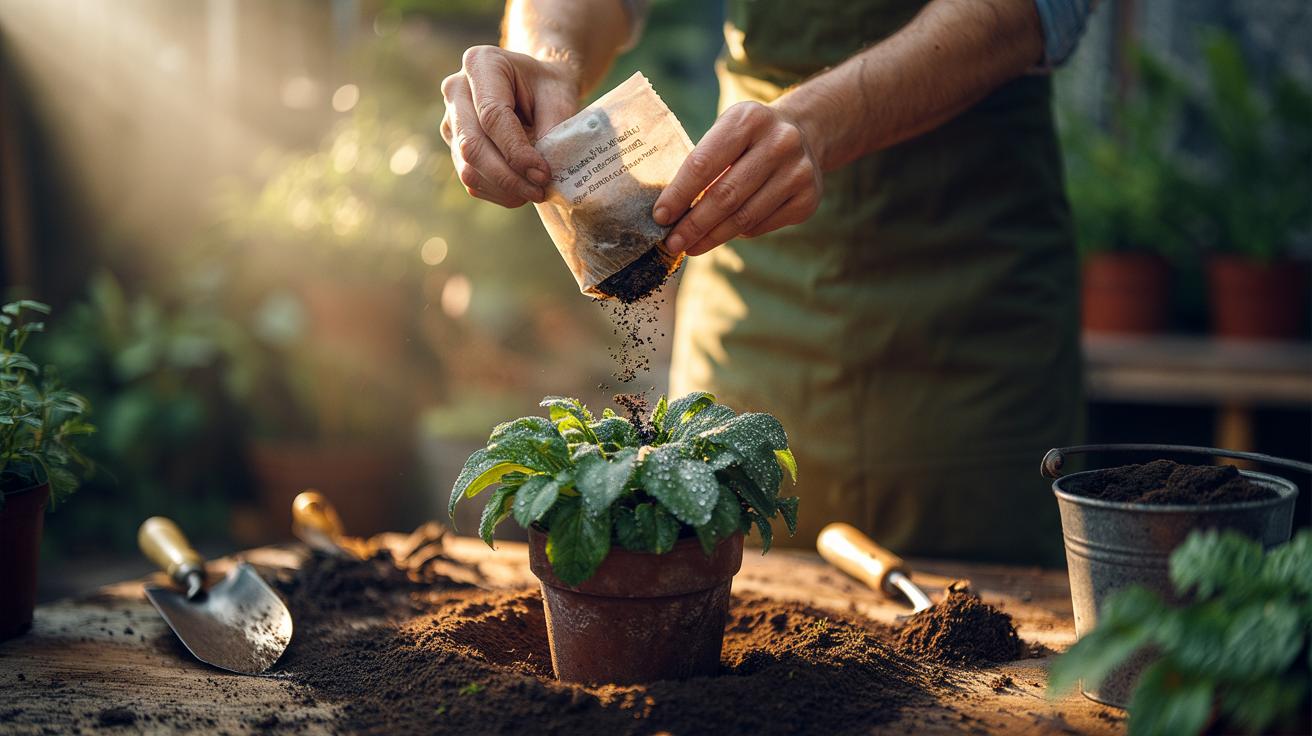
Kitchen waste can be quietly transformative in the garden, and few items work harder than used tea bags. When added to soil or compost, they offer a gentle dose of nutrients and a buffet for microbes that keep plants thriving. The trick is simple: cool the bag, split it, and let the leaves mingle with soil life. No fancy kit, no steep learning curve. Just a daily habit turned into natural fertilizer. Done well, this easy, low-cost practice improves structure, moisture retention, and resilience in pots and borders alike. The secret is consistency—small additions, often, build a living soil that feeds plants on their timetable.
How Tea Bags Feed Soil Life: Nutrients and Microbes
Used tea leaves are a modest but steady source of nitrogen, with trace potassium and phosphorus. They don’t deliver a heavy hit; instead, they nourish the unseen workforce that turns organic matter into plant-ready food. As leaves break down, they foster fungal threads and bacterial colonies that aggregate soil particles, improving aeration. That means roots breathe better. Water moves more evenly. And fertilizers—synthetic or natural—become more efficient because soil holds them where roots can reach. Polyphenols and tannins in tea also play a role, gently shaping microbial communities and lightly acidifying mixes, a boon for plants that like a slightly lower pH.
When you split open a bag and sprinkle the leaves, you’re doing more than feeding plants—you’re feeding the system that feeds plants. The coarser the particles, the slower the release. Fine particles work faster but can mat on the surface; mix them in or cover with a little compost to avoid crusting. Think of tea leaves as a soil conditioner with benefits, not a standalone fertilizer that replaces balanced feeding. Below is a quick guide to what’s doing what.
| Tea Component | Soil Action | Plant Benefit |
|---|---|---|
| Nitrogen compounds | Fuel microbial growth and decomposition | Steadier leaf and shoot growth |
| Potassium & phosphorus traces | Support nutrient balance | Flowering, root health, stress tolerance |
| Polyphenols/tannins | Mild pH shift; selective microbial effects | Useful for acid-loving plants |
| Organic fibres | Improve structure and moisture retention | Even watering; fewer dry spells |
Choosing the Right Tea and Bag Materials
Not all tea bags are equal. Many premium or pyramid bags are sealed with polypropylene or use bioplastics like PLA; these can persist in home compost. If the box says “plastic-free” and “home compostable,” you’re in the clear. Otherwise, open the bag, compost the leaves, and bin the mesh. Paper-style bags with cotton strings typically break down, but remove staples. Flavoured or perfumed teas contain oils that may slow decomposition or confuse soil life; use them sparingly. Herbal infusions—chamomile, peppermint, nettle—are fine and often gentle on seedlings. Black and green teas bring more tannins and a slightly stronger acidifying nudge.
Milk and sugar complicate things. They invite pests and odours. If your bag has touched milky tea, rinse it or skip soil use and put it into an active compost heap where heat can manage residues. Caffeine sounds alarming, yet the residual amount in used leaves is low and rapidly degraded by microbes. When in doubt, split the bag, keep the leaves, and discard anything that looks synthetic or glossy. This approach protects your soil from microplastics while keeping the nutrient loop tight and clean.
Simple Methods: Brew, Bury, or Compost
You’ve got options. For pots, the fastest route is to cool a bag, tear it open, and scratch the damp leaves into the top 2–3 cm of compost. Water in. Done. In borders, bury a small handful at 3–5 cm depth near the drip line, where feeder roots forage. Repeat weekly with kitchen rhythm rather than volume; two or three bags per medium pot per month is plenty. Less is more—test on a single plant first, then scale up if growth and soil smell stay sweet and earthy.
Prefer a brew? Make a gentle tea-leaf soak: steep five or six used bags (opened) in a watering can or bucket for 24 hours, dilute to a pale tint (about 1:10), and drench soil once a month. Strain out bits so they don’t clog a rose. For composters, treat tea leaves as “green” material and paper as “brown.” Aim for a loose ratio of two parts browns (dry leaves, cardboard) to one part greens (kitchen scraps, tea leaves). Keep it moist like a wrung sponge and turn fortnightly. The result is crumbly, dark compost that smells of the forest floor—perfect as a top-dress around greedy feeders like roses and tomatoes.
Safe Use Indoors and in the Garden: Dos and Don’ts
Indoors, moderation matters. Use small quantities mixed into potting media or as an occasional top-dress that’s covered by a thin layer of compost or bark. This prevents fungus gnat parties and surface mould. Don’t pack tea leaves tightly; they need airflow to break down. Keep material away from direct contact with stems to avoid rot. If a sour smell develops, you’ve used too much or it’s staying too wet—fluff, reduce inputs, and let it breathe. Healthy tea-enriched soil smells earthy, never sharp or sour.
Outdoors, match the technique to the plant. Acid lovers—azaleas, blueberries, camellias—appreciate the slight pH nudge. On chalky soils, don’t expect miracles; tea won’t overhaul alkalinity, but it will still boost structure and microbial life. Avoid using whole synthetic bags, which can linger as litter. Rinse off any sugary residues before composting. Keep pets away from concentrated piles; while residues are minimal, curiosity is high. Finally, integrate tea use into a broader regime: balanced feeds during peak growth, mulches for moisture, and seasonal compost. Tea bags are a smart supplement, not a silver bullet.
Turning spent tea into plant food is quiet alchemy: yesterday’s brew becomes tomorrow’s bloom. It’s frugal, quick, and grounded in the simple truth that thriving soils make thriving plants. Start small, observe, adjust. Open the bag, feed the soil, and watch structure and vigor improve over weeks, not minutes. If you’re already composting, tea adds finesse; if you’re not, it’s a gentle way in. Ready to give your soil a daily micro-dose of vitality—one cup at a time—which plant will you try first, and will you bury, brew, or compost your tea bags?
Did you like it?4.8/5 (29)