In a nutshell
- 🌱 Eggshells = slow-release calcium: ~95% calcium carbonate fortifies cell walls, supports seedlings’ structure, and gently buffers pH in acidic mixes.
- 🧪 Prep matters: Rinse, sterilise (bake or boil), dry, then grind to a fine powder for faster mineral availability and safer use around young roots.
- 📏 Right dosage: Mix 1–2 tsp per litre of seed mix; 1 tsp per module; 1–2 tbsp per planting hole—blend evenly rather than piling directly under seeds.
- 🤝 Smart pairings: Combine with compost to boost microbial release; use gypsum for quicker calcium without shifting pH on neutral/alkaline soils.
- 🧩 Reality check: Benefits are cumulative, not instant; shells don’t repel slugs, and overuse can raise pH too high—especially in containers and chalky UK soils.
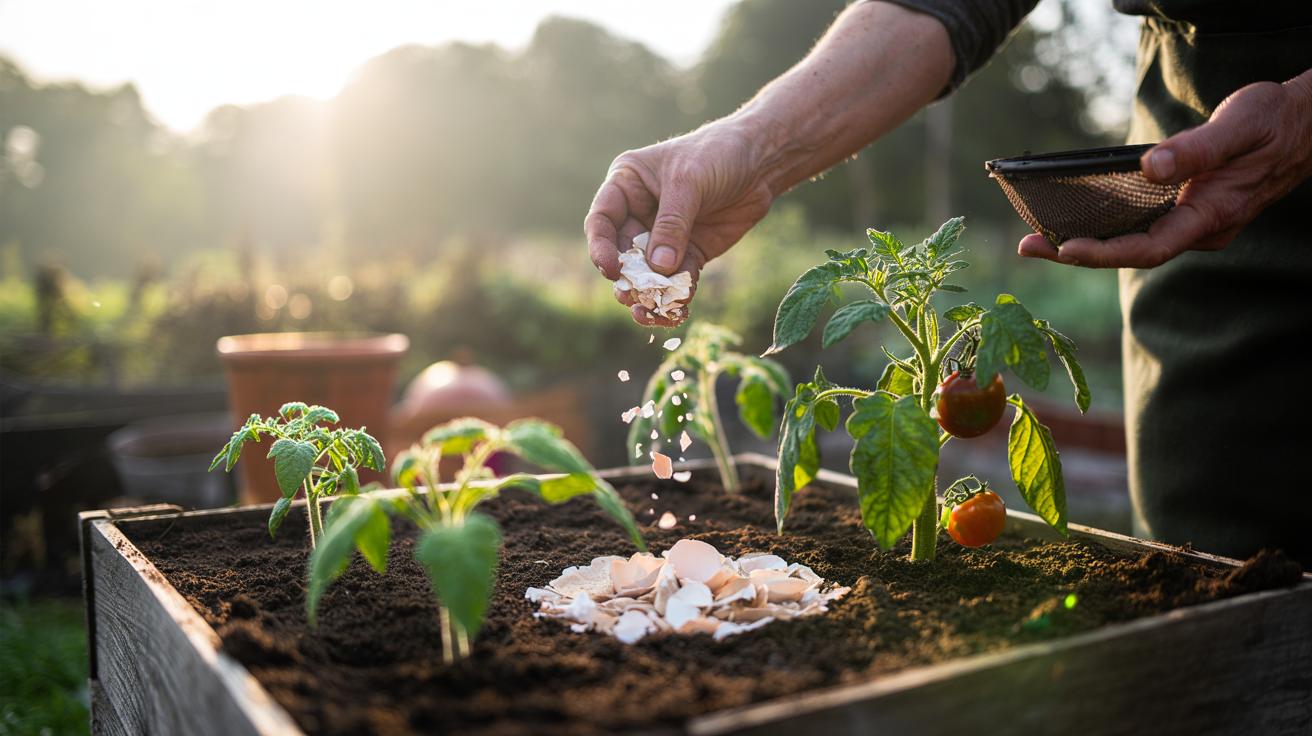
Every spring, gardeners search for simple ways to toughen up delicate seedlings. One overlooked ally sits in the kitchen: the humble eggshell. When buried and broken down, shells deliver a slow stream of minerals that fortify young roots and steadies soil chemistry right where it matters. Think of them as a long-life calcium bank rather than a quick spray of nutrients. In UK plots, where soils range from acidic to neutral, this gentle buffering and mineral release can be a quiet game-changer. The trick is preparation. Clean shells. Crush them fine. Place them smartly. Done right, they help seedlings resist stress, establish more quickly, and grow with a sturdier frame from day one.
What Eggshells Contribute to Young Roots
Eggshells are made of about 95% calcium carbonate, plus trace magnesium, phosphorus, and organic matrix proteins that soil microbes relish. Calcium isn’t just “another nutrient.” It cross-links pectins in cell walls, strengthening tissues and reducing collapse under water stress. For seedlings, stronger cell walls can mean fewer wilted stems, firmer growth, and better resilience during sudden temperature swings. As eggshell particles dissolve, they also act as a modest pH buffer, nudging acidic seed-starting mixes toward a stable, root-friendly zone without wild swings.
There’s a microbiological side to this story. Ultra-fine shell powder increases contact area for microbes that slowly solubilise the carbonate, turning an inert shard into a steady mineral trickle. The carbonate portion also releases bicarbonate, which can temper acidity produced by fertilisers, helping maintain the availability of potassium and phosphorus. While calcium doesn’t boost growth like nitrogen, it supports orderly cell division and membrane function. That, in turn, can reduce the risk of physiological disorders later. Tomatoes and peppers are classic beneficiaries. Robust early calcium status often translates into sturdier transplants and fewer setbacks after hardening off.
How to Prepare and Bury Shells for Safe, Fast Release
Start clean. Rinse shells, then sterilise to remove pathogens: bake at 150–180°C for 10–15 minutes, or boil for five. Dry thoroughly. Next comes the crucial step: pulverise the shells to a fine powder for faster mineral availability. A rolling pin works; a spice grinder is better. Aim for flour-like particles rather than crunchy flakes. Larger pieces break down slowly and offer little immediate benefit to seedlings.
For seed trays, blend roughly 1–2 teaspoons of shell powder per litre of seed-starting mix, distributing evenly. For module-grown transplants, dust a teaspoon into each cell before sowing, or scratch a ring of powder into the top 2–3 cm once seedlings have their first true leaves. Water in lightly. In garden beds, incorporate 1–2 tablespoons per planting hole, mixing with compost to encourage microbial action. Avoid placing a thick, raw mound directly under the seed—gentle integration around the root zone is safer. If you garden on chalky soils in southern England, reduce the rate; if your soil is peaty and acidic, the buffering can be especially helpful. Pair with a balanced, low-salt fertiliser to cover nitrogen needs.
Evidence, Limits, and Best Pairings
Calcium uptake is driven by transpiration. Seedlings transpire modestly, so even well-prepared shells are a slow-release ally, not a quick fix. Expect steady support over weeks, not overnight miracles. That’s why eggshell shines when built into your potting routine from the start, sustaining tissue integrity as roots expand. If you need faster calcium without altering pH much, consider pairing with gypsum (calcium sulphate). On acidic mixes, shells can help buffer; on already alkaline soils, keep rates conservative.
Evidence from horticultural practice and substrate chemistry is consistent: finer grind equals greater surface area equals faster dissolution. Combine with compost or vermicompost to recruit microbes that accelerate release. Keep expectations balanced: shells don’t substitute for nitrogen, and they won’t cure poor watering. They do, however, reduce the risk of calcium-related disorders later in life and improve structural robustness. Use the quick guide below to match goals with methods.
| Component | Main Function | Best Use |
|---|---|---|
| Eggshell (powder) | Slow calcium, light pH buffer | Blend into mixes; around roots |
| Gypsum | Faster calcium, minimal pH shift | Rapid correction in neutral soils |
| Compost | Microbial activity, trace nutrients | Mix with shells to speed release |
Common Myths and Practical Realities
Myth: eggshells deliver instant calcium to seedlings. Reality: the benefit is cumulative and proportional to particle fineness and microbial activity. Myth: sharp shells deter slugs. Research and field experience suggest minimal impact; rain rounds edges and slugs glide over them. Myth: more shell equals stronger plants. Over-application can nudge pH too high, locking up iron and manganese, especially in containers.
Practicality wins. Sterilise to remove Salmonella risk. Grind fine. Dose modestly. In the UK, where many seed-starting media skew acidic, shells help stabilise pH while quietly furnishing calcium. Tomatoes, peppers, brassicas, and cucurbits respond well to improved structural support. Herbs and acid-lovers such as blueberries are more sensitive; avoid direct shell additions there. If damping-off haunts your trays, shells aren’t a fungicide, but sturdier tissues and balanced moisture help seedlings ride out early-life stress. Used this way, buried shells become a disciplined, circular solution: kitchen waste feeding tomorrow’s harvest without fuss.
Eggshells won’t replace good husbandry—clean trays, measured watering, adequate light—but they offer a quiet, long-haul boost that aligns with frugal, sustainable gardening. Prepare them well, mix them in, and let time, roots, and microbes do the rest. Simple, slow, effective. For your next sowing, will you turn breakfast leftovers into a mineral safety net and test how much sturdier your seedlings can become?
Did you like it?4.4/5 (21)