In a nutshell
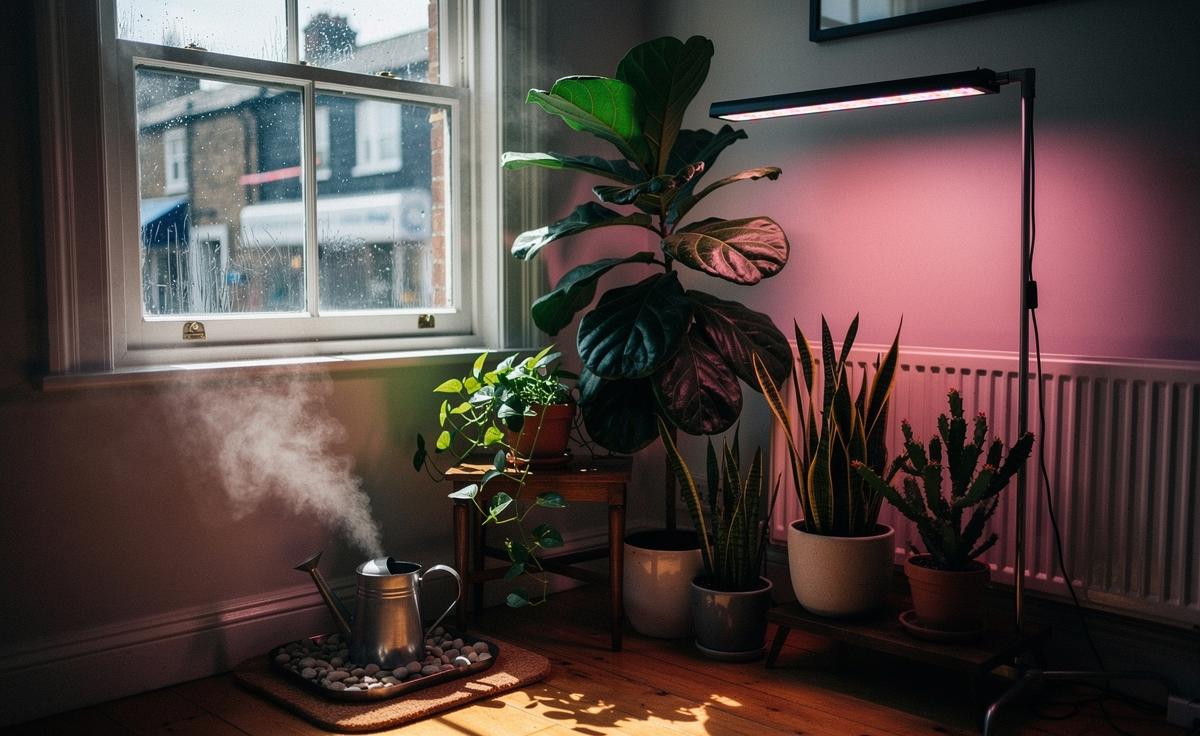
- 🌤️ Prioritise light: move sun-lovers to brighter windows, clean glass, rotate weekly, and use full-spectrum LEDs (10–12 hours) if needed to prevent leggy growth.
- 💧 Water less, not more: avoid overwatering by testing soil at depth, using tepid morning water, ensuring drainage, and extending intervals for succulents and snake plants.
- 🌡️ Keep stable conditions: aim for 18–21°C days, >15°C nights, protect from radiators and cold panes, and maintain 40–50% humidity with grouping, trays, or a small humidifier.
- 🪴 Respect semi-dormancy: hold off repotting, aerate compacted soil, use an airy peat-free mix, and pause feeding unless winter bloomers are budding (quarter strength only).
- 🐛 Patrol pests weekly: practice early detection, isolate suspects, wipe leaves, use horticultural soap for mites, curb fungus gnats by drying the top layer, and quarantine new plants.
Winter doesn’t kill houseplants; confusion does. As British daylight wanes and central heating clicks on and off, your indoor jungle faces a barrage of shifting variables. The good news is that small, timely adjustments carry plants safely through to spring. Think of this season as a pause button: growth slows, needs change, and observation becomes your best tool. Prioritise light and consistency, then adapt water, heat, and nutrition to match the cooler, dimmer months. With a few practical tweaks — moving pots, altering routines, and rethinking feeding — you’ll prevent the silent slide into stress. Here’s how to keep your greenery alive, and looking smugly healthy, all winter.
Lighting Adjustments When Days Shrink
Light drops dramatically in a UK winter, so assume your plants are starving for photons. Move light-hungry species — fiddle-leaf figs, rubber plants, citrus — closer to the brightest window you have, ideally south or west-facing. Clean the glass; grime shaves valuable lux. Rotate pots a quarter turn weekly to keep growth even, and raise trailing plants to meet the light rather than asking stems to stretch. In winter, light — not water — is the limiting factor for most houseplants. If a sill is cold, add a cork mat to insulate roots. Avoid pressing leaves against cold panes; tissue can scar or blacken overnight.
Supplement where needed. A simple full-spectrum LED grow light set on a timer for 10–12 hours steadies photoperiod without overheating. Keep fixtures 20–40 cm above foliage to prevent scorch, and angle the beam to avoid glare in living spaces. If budget is tight, group plants and light the cluster; this creates both a brighter microclimate and a handy care zone. Watch for signs of insufficient light: elongated internodes, pale new leaves, soil staying wet for days. If a plant stops producing new growth entirely, hold back on fertiliser and reassess light first.
Watering Smarter, Not More
Colder rooms and weaker light slow evaporation. That means your summer schedule is now a liability. More houseplants die in winter from overwatering than from drought. Before you reach for the jug, test at depth: insert a finger 3–4 cm into the potting mix; water only if it’s dry at that level. Lift the pot — weight tells the truth. Moisture meters can help, but calibrate them against your own tests. Always use tepid water to avoid root shock, and water in the morning so surfaces dry by night, reducing mould risk. Empty saucers within 10 minutes to prevent roots stewing.
Good drainage is non-negotiable. Ensure pots have holes, and if they sit inside decorative sleeves, add spacers so excess can drain. For plants that hate wet feet — succulents, snake plants, zz plants — stretch intervals significantly and give smaller volumes. Consider bottom watering once a month to rehydrate peat-based mixes that have gone hydrophobic; let the pot wick from a tray for 15–20 minutes, then drain thoroughly. Adjust frequency to light and temperature in your room, not to the calendar. If you see fungus gnats, your water routine is too generous or the mix is compacted.
Temperature, Humidity, and Draughts
Houseplants love steady, not perfect. Aim for days around 18–21°C, nights no lower than 15°C. Keep leaves away from radiators, wood burners, and heat vents; bursts of hot, dry air desiccate foliage in hours. Single-glazed windows can plunge at night, so pull plants 20–30 cm back or add a thermal curtain buffer. Stable conditions beat ideal numbers when you can’t control every variable. Watch out for door draughts and the chill tunnel near letterboxes. If you must air the room, do quick midday bursts rather than long morning chills.
Humidity often dips under central heating. Most tropicals cope if you keep relative humidity around 40–50%. Grouping plants raises local humidity slightly; pebble trays help by increasing surface evaporation without waterlogging. A small, cool-mist humidifier set on a timer for a couple of morning hours is effective, but position it to avoid wetting leaves and furnishings. Wipe condensation from windows to deter mould and keep light levels up. Increase gentle air movement with an oscillating fan on low to discourage pests, but avoid direct blasts. Brown leaf tips usually signal dry air or erratic watering, not a nutrient deficiency.
Soil, Feeding, and Winter Dormancy
Nature taps the brakes now. Many houseplants shift into semi-dormancy, slowing root activity, which changes how soil behaves. Don’t repot unless the plant is visibly root-bound or water rushes straight through. If mix has compacted, gently aerate the top 2–3 cm with a chopstick, then top-dress with fresh substrate. Choose an airy blend (60–70% peat-free base plus perlite, bark, or pumice) that drains swiftly yet retains moisture evenly. For hydrophobic soil, soak from the base until bubbles stop rising, then drain. Feeding should mostly pause in winter for foliage plants; let light levels return before resuming.
Exceptions exist. Winter bloomers like Christmas cactus and cyclamen accept light feeding during bud and flower. If a plant is actively growing under strong artificial light, feed at quarter strength monthly. Use the table below as a quick winter cue card, not a rigid schedule.
| Plant | Light (Winter) | Watering | Feeding |
|---|---|---|---|
| Snake Plant | Bright indirect to medium | Every 3–4 weeks; keep dry | None |
| Pothos | Medium to bright indirect | When top 4 cm dry | None or quarter strength monthly |
| Fiddle-Leaf Fig | Very bright, near window | Evenly moist; never soggy | None |
| Christmas Cactus | Bright indirect | Lightly moist during bloom | Quarter strength while budding |
Pest Patrol and Plant Hygiene
Winter is pest season indoors. Central heating dries air, weakening leaves and favouring spider mites, while crowded shelves invite mealybugs and scale. Early detection saves entire collections. Inspect weekly with a torch: look under leaves, along midribs, and in stem crotches. Sticky honeydew, fine webbing, or cottony tufts are red flags. Isolate any suspect plant immediately. Wipe leaves with a soft, damp cloth (add a drop of mild soap) to remove dust and improve light absorption. For mites, increase humidity around the plant and use a targeted horticultural soap; repeat at 7–10 day intervals to catch hatch cycles.
Fungus gnats thrive in wet compost. Let the top layer dry, bottom-water sparingly, and top-dress with 1 cm of coarse sand or pumice to deter egg-laying. Yellow sticky traps help monitor numbers. Neem oil can suppress soft-bodied pests, but spot-test and avoid soaking soils in winter. Prune yellowing leaves and spent flowers to reduce disease pressure and sharpen the plant’s energy budget. Clean your tools with isopropyl alcohol between cuts. A five-minute weekly routine — inspect, wipe, trim, empty saucers — beats a two-hour crisis later. Keep new purchases in quarantine for two weeks before introducing them to the main display.
Winter plant care isn’t about fussing; it’s about smart restraint. Adjust the light, slow the watering hand, and keep temperatures even, and most species will idle safely until spring. Small changes compound: a cleaned window here, a timer there, a quick wipe of leaves on Sunday. You’ll notice steadier colour, fewer pests, and far less mid-February heartbreak. Treat winter as a listening season and let plants set the tempo. Which part of your routine will you change first — upgrading light, tightening watering, or launching a weekly five-minute inspection ritual?
Did you like it?4.4/5 (24)