In a nutshell
- 🌿 Use sugar water sparingly to revive wilted plants after shock (repotting, root damage); prioritise plain water first.
- 🧪 Follow safe dilutions: 0.1–0.2% foliar spray for houseplants; 1–2% sugar in vase water for cut flowers with a biocide.
- ⏱️ Apply in cool hours, mist lightly, and rinse sticky leaves after 24 hours; avoid soil drenches unless as a last resort.
- ⚠️ Watch risks: osmotic stress, microbial growth, mould, and fungus gnats; never use on succulents or in waterlogged compost.
- 🔎 Diagnose first: heat stress needs shade and watering, not sugar; pair any trial with strong light, airflow, and balanced feeding.
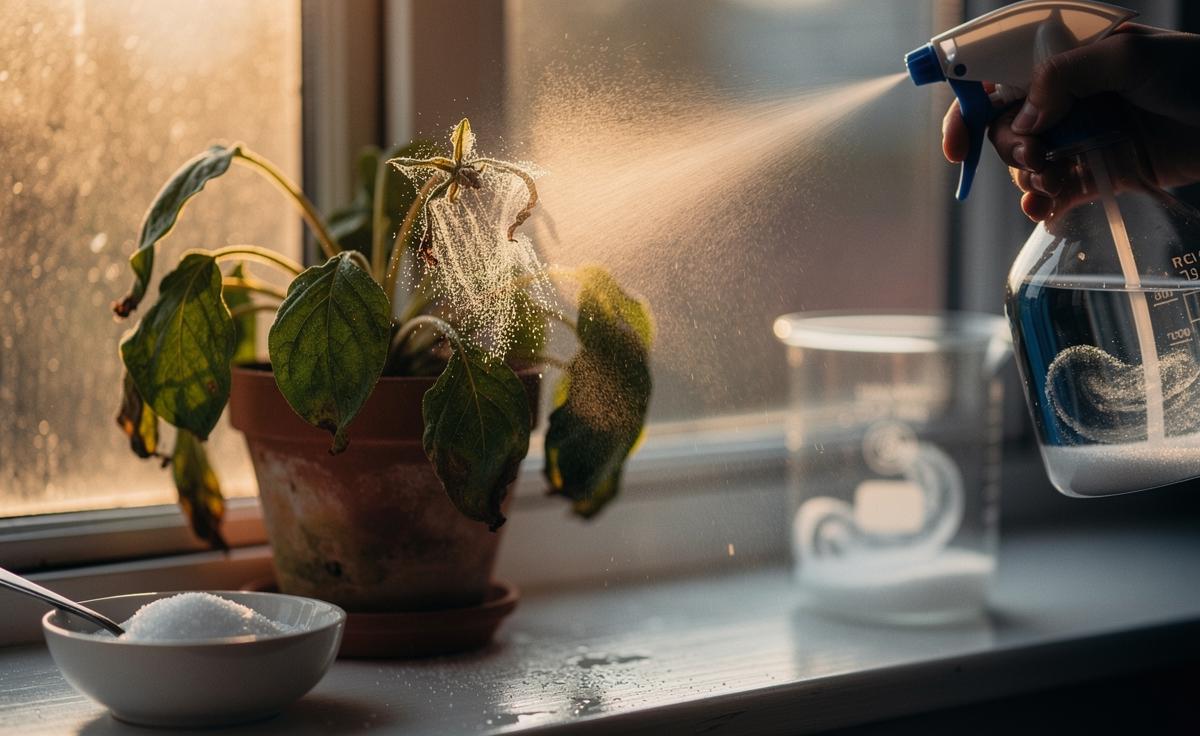
Every British gardener knows the panic of a drooping geranium or a houseplant that slumps overnight after a heat spell. In that moment, the internet whispers a tempting fix: sugar water. It sounds almost too simple. Sometimes, it works. Sometimes, it backfires. Understanding the “why” behind the hack turns guesswork into strategy. Plants make their own sugars through photosynthesis, yet a carefully measured dose of sucrose can act as a rapid pick‑me‑up for stressed tissues, especially after root damage or repotting. Used correctly, sugar water can deliver a short, targeted boost without inviting mould or pests. Here’s how to revive wilted plants swiftly, safely, and with science on your side.
Why Sugar Can Perk Up Drooping Leaves
When leaves wilt, the usual culprit is water balance, not a sugar shortage. Cells lose turgor, stems bend, and hydration is the immediate fix. So, first rule: plain water first. Yet there are cases where an extra nudge helps. After storm damage, a harsh pruning, or a gritty repotting, plants can experience a temporary carbohydrate deficit if roots can’t supply enough energy for repair. In that window, a dilute sucrose solution may be absorbed via leaves or damaged roots, supporting cell maintenance and kickstarting new growth. Think of it as a brief crutch rather than a daily diet.
There’s also a signalling angle. Small amounts of external sugar interact with plant hormone pathways, shifting resources toward defence and repair. That’s why cut flowers respond well to food in the vase and why some growers use gentle foliar sprays during transplant shock. But beware the trap: too much sugar increases osmotic stress, pulling water out of cells and risking worse wilting. It also feeds surface microbes. A little can help; a lot invites trouble.
Safe Recipes: Dilutions, Timing, and Methods
The golden rule is restraint. You’re not brewing syrup; you’re mimicking trace photosynthate. Work with clean tools and soft water if possible. Apply in the cool of morning or early evening, never under harsh midday sun. For houseplants, start with foliar application rather than soil drench; it’s easier to control and less likely to trigger a microbial bloom in compost. For cut flowers, sugar belongs in the vase with a biocide to keep bacteria at bay. Do not pour sweet mixtures into waterlogged pots or onto plants already battling rot.
| Scenario | Method | Concentration | Frequency | Main Risk |
|---|---|---|---|---|
| Transplant shock (houseplants) | Light foliar spray | 0.1–0.2% sucrose (0.5–1 g per litre; about 1/8–1/4 tsp) | Once, then reassess after 48 hours | Leaf stickiness, fungal spots |
| Cut flowers (vase) | Vase solution | 1–2% sugar + a drop of bleach or vinegar | Refresh every 2 days | Bacterial slime without biocide |
| Root damage in pots | Very light soil drench (last resort) | 0.1% max (1 g per litre) | Once only | Fungus gnats, mould growth |
Mix thoroughly until fully dissolved. Mist leaves lightly, not to runoff. Rinse foliage with plain water 24 hours later if leaves feel tacky. Use sugar water as a short‑term aid, not a routine feed. Your regular fertiliser already supplies minerals; light and water do the rest.
Science Check: Carbohydrates, Osmotic Balance, and Microbes
Plants are sugar factories. They export sucrose from leaves to sinks like roots and buds via the phloem. Adding external sugar tweaks that flow. In low doses, it can stabilise membranes and help energy‑hungry repair enzymes. In high doses, it upsets osmotic balance, dehydrating cells and closing stomata. That’s why concentration matters. The sweet spot is faintly sweet to the tongue, never syrupy. If you can smell sugar, it’s too strong.
Microbiology is the second gatekeeper. Sugars feed fungi and bacteria on leaf surfaces and in potting mixes. A light foliar mist dries quickly, limiting microbe feasts; a sugary soil drench lingers and invites fungus gnats, mould, and anaerobic patches. Cut flowers are a special case: stems lack roots, so sugar extends life, but only when paired with a biocide to control bacterial growth. In living plants, daytime timing matters because leaves can metabolise the boost under light. When in doubt, prioritise airflow, cleanliness, and moderation.
Quick Wins and Red Flags to Watch
Start with diagnosis. Limp at midday but perky by evening? That’s heat stress—shade and water beat sugar every time. Leaves drooping after rough repotting or a snapped root ball? A single, very dilute foliar spray may help. Cut flowers sagging? Use a proper vase solution. But if compost smells sour, or you see blackened roots, sugar will worsen the situation. Treat rot and repot into fresh mix instead. Never use sugar water on succulents or cacti; they’re adapted to lean, dry conditions.
Watch for outcomes. Positive signs include slight leaf lift within a day, firmer petioles, and no sticky residue by morning. Red flags are tacky leaves, powdery films, or a sudden swarm of gnats. If problems appear, rinse foliage, flush the pot with plain water, and improve ventilation. Pair any sugar trial with good fundamentals: bright but indirect light, correct watering, and a balanced fertiliser at half strength during active growth. Good culture saves more plants than any hack ever will.
Used sparingly and with purpose, sugar water can turn a vulnerable hour into a comeback story, particularly after shock or in the vase. But it is a tool, not a tonic, and it lives or dies on dose, timing, and cleanliness. In the fickle UK climate, where light shifts and radiators parch indoor air, that nuance matters. Test gently, observe closely, and let water and light lead the recovery. Which plant in your care could benefit from a carefully measured, one‑off sugar boost—and how will you tell if it truly helped?
Did you like it?4.5/5 (23)