In a nutshell
- 📘 Epsom salt is magnesium sulfate, supplying magnesium and sulfur without shifting soil pH; it’s a fast-dissolving, targeted supplement—not a replacement for NPK fertilisers.
- 🌿 Magnesium drives chlorophyll and enzymes, boosting photosynthesis; deficiency shows as interveinal chlorosis on older leaves, and must be balanced against potassium and calcium uptake.
- 🧪 Use it when soil tests or clear symptoms confirm Mg shortage, especially for tomatoes, peppers, roses, and sandy soils; skip for blossom-end rot (a calcium issue) or iron chlorosis in alkaline soils.
- 🚿 Apply via foliar spray, soil drench, or light top-dress; favour small, repeated doses (e.g., 1 tbsp/gal for sprays) and avoid midday spraying to prevent scorch and leaching.
- 🧭 Best results come from diagnosis-first, dose-second: pair Epsom salt with a balanced feed and compost, monitor new growth, and run simple trials to measure genuine greening.
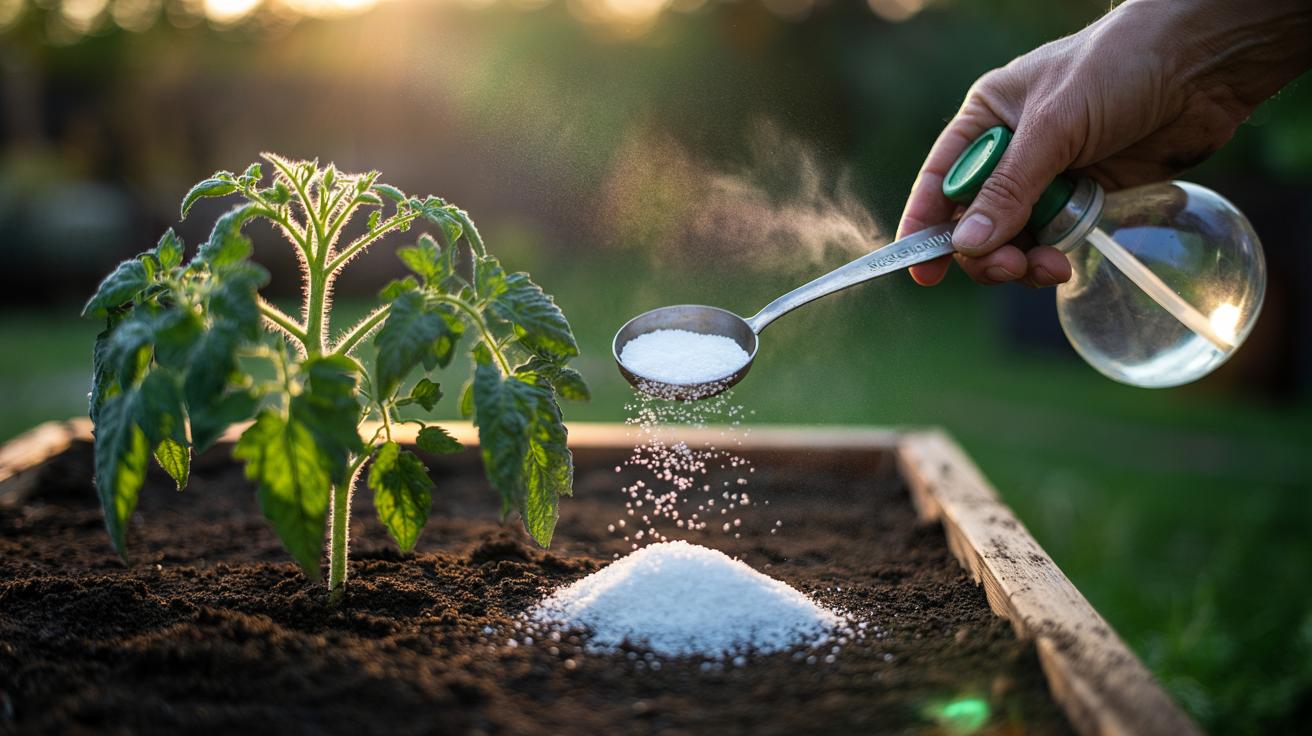
Garden folklore meets plant science in the humble bag of Epsom salt. This everyday compound, chemically known as magnesium sulfate, promises greener leaves and sturdier growth when soils fall short of key nutrients. Used carefully, it can be a smart, targeted tool rather than a cure-all. Think precision, not superstition. Always start by checking whether your plants actually need magnesium. When they do, the payoff can be striking: richer colour, improved resilience, and more efficient photosynthesis. When they don’t, you’re simply adding salts that may wash away or disrupt balance. Here’s how magnesium really works, when Epsom salt helps, and how to apply it without guesswork.
What Epsom Salt Is and Why Gardeners Use It
Epsom salt is inorganic magnesium sulfate heptahydrate (MgSO4·7H2O). It supplies two secondary nutrients in one: magnesium, central to chlorophyll and many enzymes; and sulfur, vital for amino acids and aroma compounds. Unlike lime or gypsum, it does not meaningfully alter soil pH, which makes it handy for targeted corrections in neutral or slightly acidic beds. It dissolves rapidly, so results can be fast, especially as a foliar spray. That speed cuts both ways. In light, sandy soils, magnesium may leach quickly, demanding modest, repeated doses rather than a single heavy application.
Gardeners often reach for Epsom salt when they spot interveinal chlorosis on older leaves, or when fruiting crops appear lacklustre despite sufficient nitrogen and potassium. Epsom salt is not a substitute for a balanced fertiliser. It contains no N, P, or K. Think of it as a specialist supplement. Roses, tomatoes, peppers, and container-grown herbs sometimes respond well where a magnesium shortfall exists. Used without evidence, though, it risks upsetting the subtle nutrient interplay that keeps leaves glossy and green.
How Magnesium Enriches Soil for Healthier Foliage
Magnesium sits at the heart of the chlorophyll molecule. Without it, light capture stalls and foliage pales. It also activates key enzymes that drive carbohydrate formation and transport, so leaves not only look greener—they work harder. In soils, magnesium behaves as a positively charged cation and competes with potassium and calcium for exchange sites on clay and organic matter. That competition matters. Add too much and you can hinder calcium uptake; add too little and photosynthesis limps along. Balanced nutrition beats any single-nutrient push, especially in beds already rich in salts.
Because magnesium is mobile in plants, deficiency shows first on older leaves: yellowing between veins, leaf edges curling, and, in severe cases, premature leaf drop. Sulfur from Epsom salt supports protein synthesis and can sharpen flavours in alliums and brassicas, though the effect is subtle. Importantly, magnesium sulfate is neutral to mildly acid-forming and won’t correct alkaline-induced iron chlorosis. If leaves are yellowing on new growth while veins stay green, suspect iron, not magnesium. A quick soil or tissue test keeps guesswork at bay and ensures any green-up you see isn’t just coincidence after a rainy spell.
Practical Ways to Apply Epsom Salt
Match method to the problem. For a quick fix on pale foliage where magnesium shortage is likely, a foliar spray gets nutrients straight to leaves. For ongoing support in sandy beds or containers, a gentle soil drench or incorporation at planting works well. Keep doses modest; you’re nudging, not flooding. Small, repeated applications reduce leaching and lower the risk of antagonising calcium or potassium. Always water before and after a soil application if conditions are dry, and avoid midday spraying to limit leaf scorch. Container composts, with limited buffering, respond fast—so halve rates and watch closely.
| Method | Rate | Frequency | Notes |
|---|---|---|---|
| Foliar spray | 5 g/L (1 tsp/L) or 1 tbsp/gal | Every 2–4 weeks as needed | Spray undersides; avoid hot sun |
| Soil drench | 10–15 g per L of water | Monthly in growing season | Water in well; ideal for sandy soils |
| Dry top-dress | 15–25 g per m² | 2–3 times per season | Rake in lightly; irrigate after |
| Containers | 2–3 g per L of compost | At potting; light feeds later | Use lower rates; monitor leaf colour |
For tomatoes, peppers, and roses, start at the low end and assess new growth after two weeks. If no change, reassess the diagnosis. Combining Epsom salt with a complete feed prevents hidden shortages of N, P, or K from masking any benefit. Soil tests guide the cadence: aim for adequate magnesium without pushing levels that could compromise structure on heavy clays or add unnecessary sulfate to beds already rich in sulfur.
When to Use It—and When to Skip It
Use Epsom salt when a test or clear symptoms point to magnesium deficiency, particularly in leached, sandy soils or high-potassium regimes where Mg gets crowded out. Crops with high demand—tomatoes, peppers, roses—are prime candidates, especially in containers. If you’re fighting blossom-end rot, pause: that’s a calcium issue, not a magnesium one. Similarly, yellowing on the youngest leaves suggests iron, manganese, or sulfur dynamics, not Mg. In alkaline soils, iron availability is the usual culprit; Epsom salt won’t solve it.
Skip or go gently on heavy clay where magnesium already runs high; excess can tighten structure and worsen drainage. Be cautious after repeated applications of wood ash or potash-rich feeds, which may throw the K–Mg–Ca balance off-kilter. In lawns, responses are inconsistent unless deficiency is proven. Environmental sense matters too. Because magnesium sulfate is soluble, overuse simply washes away. Apply only what plants can use, when they can use it. The smartest move is diagnostic: a £15 soil kit or local lab report saves a season of guesswork and keeps nutrients where they belong—feeding leaves, not streams.
Epsom salt can be a precise, effective remedy for tired foliage when magnesium is the missing piece. It’s quick to dissolve, easy to apply, and, used judiciously, can restore the deep green that signals hard-working leaves. Yet the real win comes from diagnosis first, dosing second, and balance always. Pair it with compost, sensible watering, and a complete feed tailored to your soil. Then watch how plants respond. What would your trial look like this season—one bed treated and one left as a control, or a few containers measured carefully to see how much greener they really get?
Did you like it?4.5/5 (26)