In a nutshell
- 🎯 Detox as marketed in 2026 is largely a myth: vague “toxins,” no measurable endpoints, and scant proof of reduced toxic burden.
- 🧪 Your body already detoxifies via the liver (phase I/II), kidneys, gut, lungs, and glymphatic system; most products don’t enhance these pathways meaningfully.
- ⚠️ Popular cleanses carry risks: juice fasts (low protein, rebound), activated charcoal (drug/nutrient binding), colon hydrotherapy (infection/perforation), IV drips (infection/cost), infrared saunas (dehydration).
- ✅ What actually helps: 7–9 hours’ sleep, adequate protein, 30g+ fibre, sensible hydration and exercise; cut exposures with ventilation, safer food storage, moderated alcohol, vetted supplements, and cruciferous veg.
- 🧭 Adopt an evidence-first test: name the toxin, mechanism, and measurable outcome; reserve medical detox (e.g., chelation) for confirmed toxicity.
Detoxing has become a cultural reflex. A long weekend of excess, a fortnight of fatigue, and suddenly there’s a plan, a powder, a purge. In 2026 the marketplace is slicker, the promises bolder, and the influencers louder. Yet beneath the glossy reels and clinical white packaging sits a simple, stubborn question: does detoxing actually work? Scientists talk about liver enzymes, renal filtration, and exposure reduction. Marketers invoke toxins without naming them. Ordinary people just want to feel lighter, clearer, better. This investigation cuts through the noise, sifts the evidence, and weighs the myths and facts shaping the detox debate in 2026.
What Do We Mean by Detox in 2026?
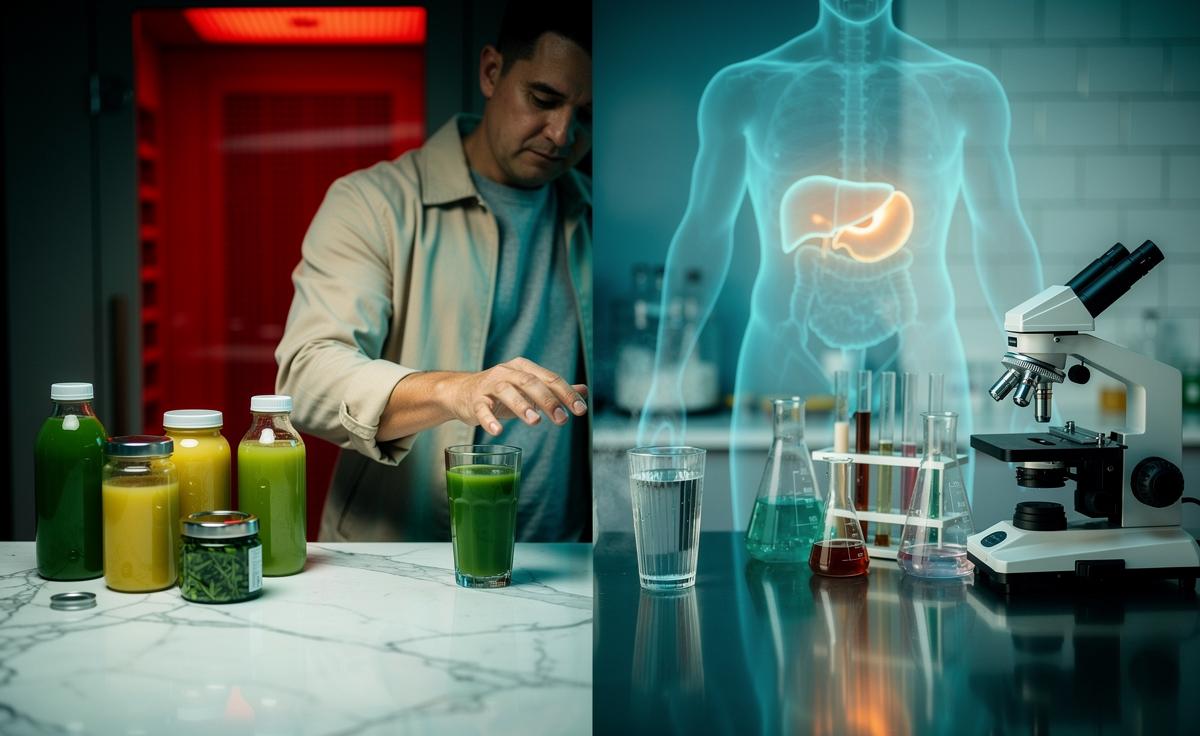
“Detox” used to mean a week on green juice. Now it covers fasting protocols, supplement stacks, infrared saunas, colon hydrotherapy, IV drips, and “microplastic cleanses.” There are workplace wellness programmes pushing 72-hour resets. Longevity clinics bundle chelation, saunas, and NAD+ into premium packages. Social feeds amplify it all, pairing sleek glass bottles with miraculous before-and-after claims. It sounds scientific; it rarely is.
Crucially, the word “toxin” is used elastically. Are we talking alcohol, air pollution, PFAS, pesticides, or simply sugar? Without naming a chemical, dose, or route of exposure, “detox” becomes a vibe rather than a measurable goal. In contrast, clinicians focus on the body’s own detoxification pathways and on reducing contact with harmful substances in the first place. Wearables in 2026 can track sleep, heart rate variability, even sweat composition, yet they cannot verify a “toxin dump.” Data isn’t proof if it’s measuring the wrong thing. To assess benefit, we need specifics: which compound, what mechanism, and what outcome matters to health.
The Science: Body Systems That Already Detoxify
Your body runs a 24/7 clean‑up operation. The liver performs phase I and phase II biotransformation, modifying compounds and conjugating them for safer excretion. The kidneys filter blood, balancing electrolytes while clearing metabolites through urine. The gut, with bile flow and a fibre-fed microbiome, escorts waste out. Lungs expel volatile compounds. Skin and sweat play modest roles, more about temperature control than toxin clearance. The lymphatic and, during sleep, the brain’s glymphatic system handle cellular debris. These systems are exquisitely evolved and relentless.
Where do commercial detoxes fit? Evidence shows they rarely enhance these systems beyond what sensible living already achieves. Extreme juice fasts can reduce protein intake needed for liver conjugation. Aggressive diuretics may strain kidneys. Activated charcoal can bind medications as well as molecules you might wish to eliminate. There are targeted medical interventions—chelation for heavy metal poisoning, for instance—but they are clinical, risk‑managed, and reserved for diagnosed toxicity. Bottom line: supporting the body’s own mechanisms—adequate protein, hydration, fibre, sleep, movement—often outperforms flashy “cleanses.” If a product promises to replace your liver, it is selling fantasy.
Do Popular Detox Plans Work or Hurt?
Some approaches are harmless rituals. Others carry costs. The table below sketches what 2026 consumers are offered, the quality of evidence, and typical risks reported by clinicians and regulators.
| Detox Type | Evidence of Benefit | Typical Risks/Issues |
|---|---|---|
| Juice Cleanses (3–7 days) | Low for toxin removal; short‑term weight loss mostly water/glycogen | Fatigue, hunger, low protein, rebound eating |
| Activated Charcoal Supplements | Useful in acute poisoning in hospital; not for daily “cleansing” | Constipation, nutrient and drug binding, interactions |
| Colon Hydrotherapy | No credible detox benefit | Perforation risk, infection, microbiome disruption |
| Infrared Sauna | Helps relaxation; limited role in toxin excretion | Dehydration, dizziness; avoid in certain conditions |
| IV Drips (vitamins/“detox” cocktails) | Weak evidence outside deficiency treatment | Infection, vein irritation, cost, false reassurance |
If a plan lacks a named toxin and a measurable endpoint, it cannot prove “detox”. Studies that do exist typically show transient weight change, not reduced toxic burden or improved long‑term outcomes. There’s also the opportunity cost: money and attention diverted from habits with proven gains. For vulnerable groups—the elderly, those on multiple medications, pregnant people—risks multiply. Scepticism isn’t cynicism; it’s consumer protection. The strongest evidence supports avoiding exposures, not purging them after the fact.
What Actually Helps Your Body Clear Toxins
Think process, not products. Prioritise sleep—7 to 9 hours—to support glymphatic clearance and hormone balance. Eat sufficient protein to supply amino acids for liver conjugation. Load up on fibre (30g+ daily) from oats, beans, seeds, and vegetables to bind bile acids and promote excretion. Hydrate to maintain kidney perfusion, but skip the gallon‑a‑day theatrics; pale urine is a simple guide. Move your body—regular exercise improves insulin sensitivity and supports metabolic clearance. These are dull headlines, but potent interventions.
Then reduce the incoming load. Ventilate when cooking. Use an extractor for particulates. Store food in glass or stainless steel when possible. Follow evidence‑based guidance on alcohol intake. Choose a varied, minimally processed diet to limit emulsifiers and additives that may disturb the gut barrier. Check supplements for quality seals; some “detox blends” are spiked with laxatives or stimulants. Cruciferous vegetables—broccoli, cabbage, watercress—can nudge liver phase II pathways. None of this is glamorous. It is, however, what clinicians recognise as practical toxicology in daily life. Real detox is boring, consistent, and effective.
So, myth or fact? Detoxing as sold—grand promises in small bottles—is mostly myth. Yet supporting the body’s existing defences and reducing exposure is resolutely fact. The 2026 twist is slick marketing and wearable‑adjacent jargon, not a revolution in biology. If you want benefits, back the basics, measure what matters, and reserve medical detox for medical problems. Your liver, kidneys, and gut remain the star performers. What would change your mind more: a celebrity cleanse, or a clear plan naming the toxin, the mechanism, and the outcome you can actually measure?
Did you like it?4.5/5 (27)