In a nutshell
- 🦵 Backward walking for just five minutes can strengthen the knees by shifting load to the quadriceps and reducing patellofemoral stress.
- 🔥 Minute-for-minute it burns more calories than forward walking, with studies showing a 20–40% higher energy cost and elevated heart rate and oxygen use.
- 🧠 It sharpens balance and proprioception by demanding controlled forefoot landings and heightened spatial awareness.
- 🧪 Evidence suggests benefits for patellofemoral pain and early knee osteoarthritis; estimates show ~35–40 kcal over 5 minutes vs ~26 kcal forward at brisk pace.
- ✅ Start safely: short steps, 1–2 mph on a treadmill or a clear flat path, split into 5×1-minute bouts, avoid hazards, and prioritise consistency over intensity.
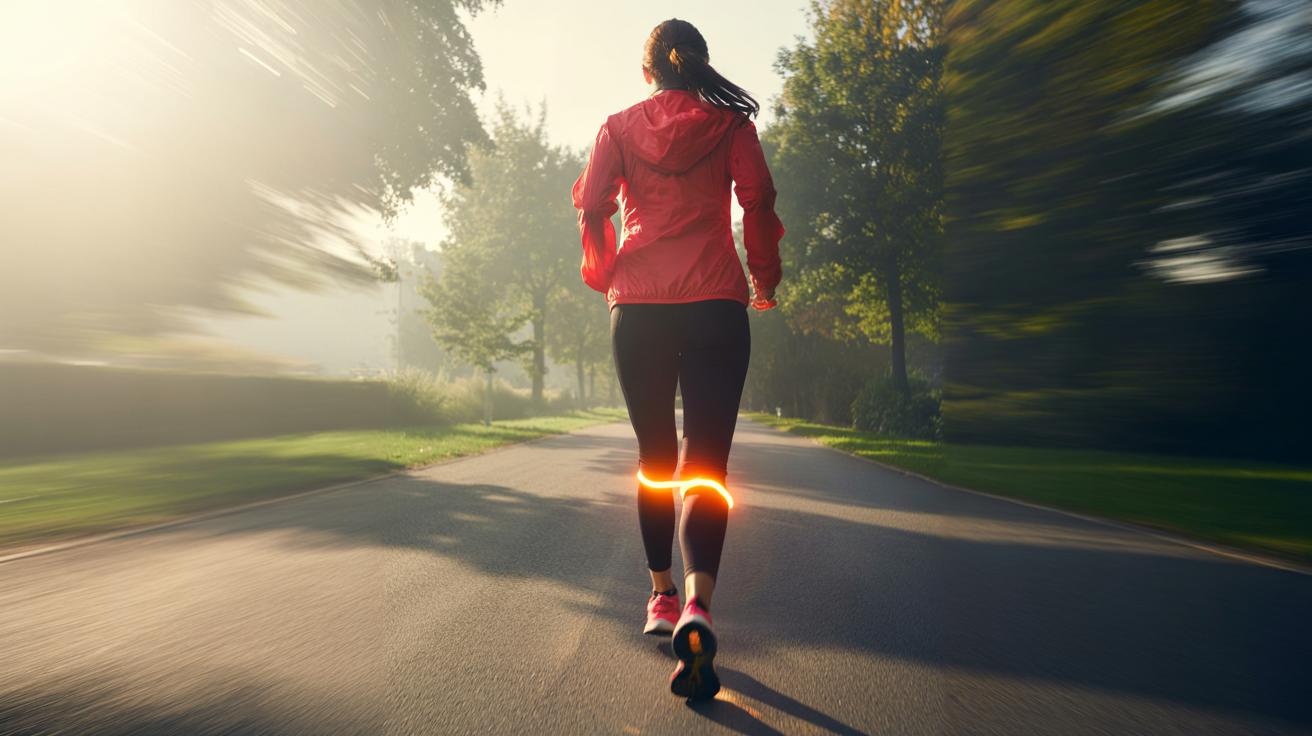
Scientists are shining a spotlight on a counterintuitive habit: walking backwards. Early evidence suggests that just five minutes a day may strengthen the knees, sharpen balance, and burn more calories than the same time spent walking forwards. Often called retro walking, the practice recruits muscles differently, particularly the quadriceps and calves, and reduces stress on sensitive structures around the kneecap. Because it demands extra coordination and attention, it also taxes the brain in a productive way. For busy people, a brief daily bout can serve as a compact conditioning tool. Below, we unpack why it works, how to begin safely, and who stands to gain the most from this deceptively simple tweak.
Why Walking Backwards Challenges the Body Differently
When you move in reverse, the foot lands on the forefoot rather than the heel, shifting the workload from shock absorption to controlled propulsion. That change recruits the quadriceps—especially the vastus medialis oblique—alongside the tibialis anterior and intrinsic foot muscles. The altered pattern can reduce compressive load on the front of the knee, which helps explain reports of knee pain relief during retro walking. Because the body cannot rely on its usual elastic “bounce,” each step takes more muscular effort, making the movement metabolically costlier than forward walking at the same speed.
This heightened effort also trains balance and proprioception. With vision less informative—your field of view is behind you—your nervous system leans on the inner ear and the soles of your feet to map space. That neuromuscular challenge is a feature, not a bug: improving postural control can translate to steadier stair descents and more confident direction changes. For time-pressed readers, the clincher is energy demand. Minute for minute, retro walking typically burns more calories than its forward counterpart, thanks to shorter step lengths, reduced elastic recoil, and constant active control.
Critically, the technique complements rather than replaces classic conditioning. Pairing five minutes of backward bouts with regular walking or running can offset repetitive strain by loading tissues from a new angle. It’s a small, low-impact addition that strengthens the knee-extensor chain without punishing the joints.
What the Science Says in Plain Terms
Across controlled trials and lab tests, researchers report that backwards walking increases oxygen use and heart rate compared with forward walking at matched speeds. Many studies observe a 20–40% bump in energy cost, which helps explain the calorie advantage. Clinically, short retro-walking programmes have been linked to improved function in people with patellofemoral pain or early knee osteoarthritis, likely through quadriceps strengthening and more favourable knee mechanics. Five to ten minutes, repeated most days, is enough to start nudging strength and coordination, though progress relies on consistency.
| Activity | Estimated Calories | Primary Muscles Emphasised |
|---|---|---|
| Forward walking (brisk) | ≈ 26 kcal | Glutes, hamstrings, calves |
| Backward walking (level) | ≈ 35–40 kcal | Quadriceps, tibialis anterior, calves |
| Stair climbing (comparison) | ≈ 50–55 kcal | Quadriceps, glutes, calves |
These figures are estimates, not prescriptions; speed, surface, and confidence all matter. Importantly, joint load distribution differs in reverse, which may ease symptoms in some knee conditions while still building strength. Think of it as a targeted strength-and-balance drill disguised as light cardio. For healthy adults, the risk profile is low when performed in a controlled environment. Those with balance disorders or significant joint disease should seek personalised advice from a clinician before beginning.
How to Add Five Minutes to Your Day Safely
Start with an ultra-conservative setup. On a treadmill, set a slight incline of 1% and speed of 1–2 mph (1.5–3.0 km/h). Hold the rail lightly, look over a shoulder periodically, and keep steps short. Outdoors, choose a flat, obstacle-free stretch—an empty corridor, track, or quiet pavement. Five sets of one minute, sprinkled through the day, match the benefit of a single five-minute block. Aim to practise most days, adding 15–30 seconds to individual bouts each week if it feels easy and controlled.
Form cues matter. Stand tall, engage your core, and let the forefoot kiss the ground first. Push gently through the ball of the foot to move back, keeping knees softly bent to avoid jarring. Wear supportive trainers with good grip. If dizziness or knee pain appears, stop and reassess speed, stride length, and footwear. Never attempt retro walking near traffic, stairs, pets, or clutter.
Once comfortable, add variety: try gentle slopes, a grassy pitch, or backward walking interspersed with normal walking for contrast. Runners can use it in warm-ups to “wake” the quads before speed work. Desk-bound readers might tack a two-minute reverse stroll onto every tea break. Consistency beats heroics, and five mindful minutes accumulate into measurable change.
Five minutes of backward walking asks for little and returns a lot: stronger knees, sharper balance, and a modest calorie edge without pounding the joints. It is a nimble, portable routine that fits into corridors, living rooms, and park loops, and it refreshes bodies accustomed to the same forward grind. Add it to your week for a month and track how your knees and energy respond. The most effective health habits are the ones you actually do. Will you carve out five minutes today to step back—and move your strength and stamina forward?
Did you like it?4.4/5 (27)