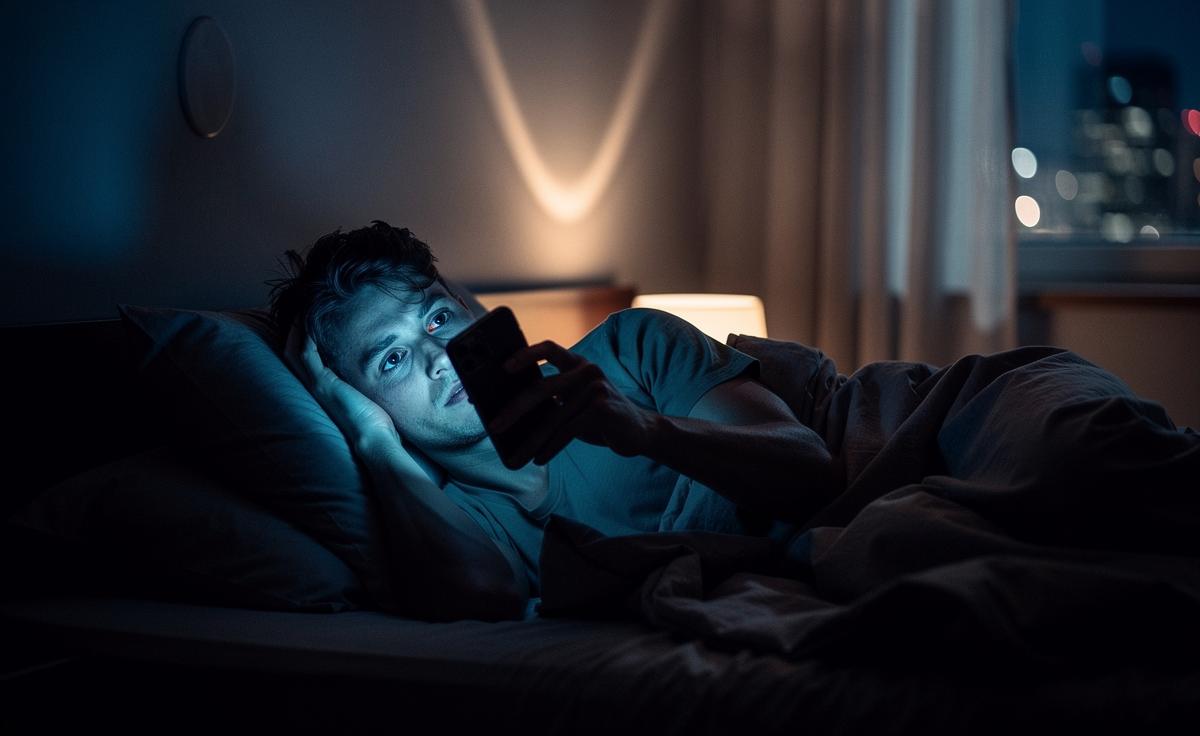
In a nutshell
- 🌙 Research shows evening screen time delays sleep onset, shortens total sleep, and increases daytime sleepiness, with stronger effects in adolescents and those with delayed sleep phase.
- 🔵 Two main mechanisms drive the impact: blue light suppresses melatonin via melanopsin cells, and stimulating content arousal (gaming, social feeds, late emails) keeps the brain on high alert.
- ⏰ Timing and device matter: the last 60–90 minutes before bed are most consequential; phones/tablets (close, bright, interactive) are riskier than a distant TV, while audio-only is often gentler.
- 🛠️ Practical fixes help: dim displays and room lights, increase text size, use night modes, keep screens further away, consider blue‑light–blocking glasses, silence notifications, and set a predictable “digital sunset”.
- 🧭 Personalise and test: effects are dose-dependent and vary by individual; track your last-hour habits, change one lever (brightness, content, or timing), and watch sleep latency and morning alertness improve.
We live by glowing rectangles. Phones nudge us late into the night, laptops hum past bedtime, televisions promise “just one more episode”. Unsurprisingly, sleep pays the price. Scientists now see a nuanced picture: screen time is not a single behaviour but a bundle of light exposure, psychological arousal, and habit loops, each tugging at the circadian rhythm. Some effects are subtle, others loud, and context matters — age, sensitivity to light, content, and timing. This article unpacks what the research actually shows, what remains uncertain, and where practical steps can make a measurable difference. The headline is simple: night-time screens often delay sleep and dent its quality, but the “why” and “how much” depend on what you do, when you do it, and how bright it all is.
What the Evidence Shows
Across large observational studies and controlled experiments, one pattern stands tall: evening screen use is linked with longer sleep latency (taking longer to drift off), shorter sleep duration, and more daytime sleepiness. Meta-analyses in adolescents report modest but consistent effects: average bedtime drifts later, total sleep may drop by tens of minutes, and complaints of insomnia symptoms rise. Adults are not immune. In laboratory trials, reading on a light-emitting e-reader or tablet for hours before bed reduces melatonin, shifts the biological clock later, and nudges sleep onset back. The mechanism is twofold: light signals “day” to the brain, and stimulating content signals “don’t switch off”.
Crucially, scientists warn about attribution. People with existing sleep problems may use screens more as a coping strategy, muddying cause and effect. Still, experiments that randomise evening activities support a causal role for light and arousal. The dose-response pattern strengthens the case: brighter screens, closer to the eyes, and used later in the night produce larger effects. Not everyone is equally sensitive — teenagers, shift workers, and those with delayed sleep phase seem especially vulnerable. When exposure moves earlier in the evening and brightness drops, many of the negative effects shrink meaningfully.
Blue Light Versus Content Arousal
We often blame blue light, and with reason. Short-wavelength light around 460–480 nm strongly stimulates melanopsin-containing retinal cells, suppressing melatonin and telling the body clock it is not time to sleep. Brightness and proximity amplify the hit; a phone 20 cm from your eyes punches harder than a television across the room. Night modes that “warm” the colour temperature help, but not as much as people think, because total luminance still matters. Dimming the display and increasing text size to keep brightness low can be more powerful than colour shifts alone.
But light is only half the story. Content drives cognitive and emotional arousal. Fast-paced games, doomscrolling, late-night emails, or cliff-hanger dramas elevate heart rate, stress hormones, and mental rehearsal. That effect can persist beyond the last tap, delaying the quiet mind necessary for sleep onset. Passive watching at low volume tends to be less disruptive than interactive tasks or social feeds that deliver unpredictable rewards. Notifications fracture attention and extend sessions. If you can’t change the light, change the content: calmer, finite activities consistently produce fewer sleep penalties.
Timing, Duration, and Device Differences
Timing beats total minutes. Studies repeatedly find that what happens in the final 60–90 minutes before bed matters most. Use at 6 p.m. is rarely a problem; at 11:30 p.m., the same brightness and content may tip you into a later sleep phase. Device characteristics matter too. Phones and tablets concentrate light close to the eyes and invite interactive, arousing behaviour. TVs, being further away, typically deliver lower retinal illuminance, though binge-watching can still delay bedtime. Audio-only content often proves kinder to sleep — screens off, ears on.
| Factor | Typical effect on sleep | Notes |
|---|---|---|
| Last-hour screen use | Longer sleep latency; later bedtime | Dose-dependent: brighter and longer equals greater delay |
| Blue-rich, bright displays | Melatonin suppression; circadian delay | Distance and dimming reduce impact |
| Interactive content (gaming, social) | Higher arousal; fragmented sleep | Notifications intensify effects |
| TV across room | Smaller light impact | Binge behaviour still pushes bedtime later |
| Audio-only (podcasts, radio) | Often neutral or mildly helpful | Set a sleep timer; avoid cliff-hangers |
The takeaway: when and how you use a device eclipses the mere fact of using one. A fifteen-minute, dimly lit, non-interactive session at 9:30 p.m. differs drastically from an hour of bright, swiping feeds at midnight. Individual sensitivity varies, but the levers are consistent: brightness, distance, content, and clock time.
What Helps: Practical, Evidence-Based Steps
First, manage the light. Use system-wide dark mode, set automatic “night shift” schedules, and push brightness aggressively down; enlarge fonts to keep readability. Keep devices further from your eyes: prop tablets up, don’t hunch in the dark. If screens must be used late, wear blue-light–blocking glasses for one to three hours before bed; results vary, but several trials show small improvements in sleep latency. Dimming the room lighting itself multiplies the benefit, because ambient light adds to retinal load.
Second, manage the mind. Switch evening content to low-arousal tasks: a short comedy, a saved article in reader mode, or a puzzle with a clear stopping point. Batch notifications or use “Do Not Disturb” after a set hour. Create a predictable “digital sunset” 60–90 minutes before target bedtime; many people find a 5-day trial convincing. Replace late scrolling with audio — a chapter of an audiobook or a guided wind-down. For families, shared rules help: chargers outside bedrooms, no devices under duvets, and agreed lights-out. The goal isn’t perfection; it’s nudging the balance so sleep wins most nights.
Scientists now view screens as adjustable tools, not inevitable sleep wreckers. Light and arousal can be dialled down, habits redesigned, and timing protected. That starts with clarity: what do you actually do in the last hour, how bright is the room, how close is the screen? Keep a simple log for a week, tweak one lever, and see if your sleep latency and morning alertness shift. Small gains add up. In a world of constant pings, protecting darkness is a radical act. What change will you test tonight — and what will you learn about how your own brain responds?
Did you like it?4.5/5 (22)