In a nutshell
- 🌙 It’s not just blue light: TV triggers hyperarousal, elevates cortisol, delays melatonin, and leads to lighter, more fragmented sleep.
- 📺 Persuasive design hooks you: autoplay and cliff-hangers fuel revenge bedtime procrastination, eroding sleep time and training the bedroom as a wake zone.
- 🧩 The “wind-down” myth: passive distraction only masks stress while dynamic audio and surprise edits keep the startle reflex on high alert.
- 🔧 Better habits: build a 90-minute buffer, disable autoplay, switch to steady audio, dim lights, and move the TV out of the bedroom to honour your circadian rhythm.
- 🛌 Real gains: deeper slow-wave sleep, more consolidated REM, and clearer mornings—test it with a simple week-on/week-off comparison.
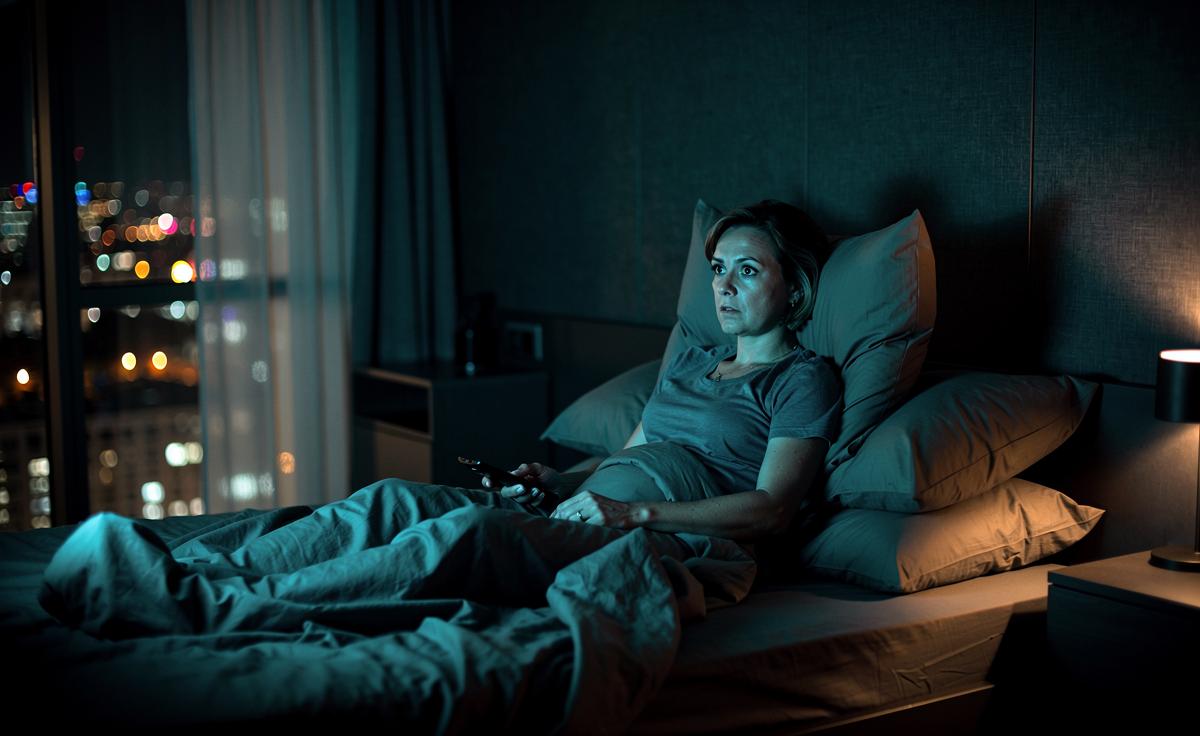
We’ve all done it: one more episode, a late-night match, a comforting sitcom rerun as the day ebbs away. It feels harmless. It feels deserved. Yet the real reason you should stop watching TV before bed is not simply about screen glow or nagging puritanism; it’s about what television does to your nervous system, your body clock, and tomorrow’s clarity. Sleep is a physiological performance, not a passive collapse, and late-night television quietly sabotages the warm-up. The images might relax your limbs, but the plots, pacing, and soundscapes keep your brain braced. If restful nights keep slipping, the culprit isn’t only brightness—it’s the emotional and cognitive drag of the shows themselves.
It’s Not Just Blue Light: It’s Hyperarousal
We talk plenty about blue light, yet the bigger saboteur is hyperarousal. TV is engineered to grip you: rapid cuts, crescendo music, cliff-hangers, breaking news banners. Those elements stimulate the sympathetic nervous system, elevating cortisol and priming vigilance. You may feel still on the sofa, but your mind is sprinting. Your brain cannot downshift while the storyline accelerates. That tension delays the release of melatonin and stretches the minutes before sleep into half-hours.
Content matters more than you think. A cosy episode sometimes soothes, but suspense, crime, or competitive sports send heartbeat and micro-movements upward. Advert volume spikes and flashing trailers add jolts just when the body should be gliding towards a lower arousal set-point. Even kindly comedies keep language centres active and reward circuits ticking along. The net effect is subtle: you fall asleep later, then sleep lighter.
That lightness costs you. Reduced slow-wave sleep blunts physical recovery. Less consolidated REM muddles memory integration, creativity, and mood. What feels like “me time” at night often becomes “lost time” by morning. Blue light is the headline; alerting content is the fine print you can’t afford to ignore.
Story Engines Drive Bedtime Procrastination
TV has outmanoeuvred your willpower. Autoplay, personalised recommendations, and perfectly timed cliff-hangers exploit present bias: the brain overvalues instant reward and discounts tomorrow’s cost. You plan for one episode. You take three. This is revenge bedtime procrastination—stealing hours from sleep to reclaim a sense of autonomy after a crowded day. It feels empowering; it quietly derails you. Minutes lost at midnight become hours lost tomorrow, through grogginess, irritability, and short-circuited focus.
The cycle is predictable: stimulation delays sleep, fatigue breeds cravings for passive entertainment, and by evening you’re back in front of the screen. That loop doesn’t just waste time, it reconditions the bedroom as a wakefulness zone. The brain associates duvet with dialogue, not drowsiness. Breaking the loop requires recognising how TV’s design nudges you beyond your intentions.
| Trigger | Immediate Reward | Hidden Cost |
|---|---|---|
| Autoplay next episode | Effortless continuity | Sleep time eroded without notice |
| Cliff-hanger endings | Tension relief promised | Prolonged arousal, delayed melatonin |
| Sports highlights | Excitement, social buzz | Elevated heart rate near bedtime |
| Late-night news | Sense of control | Worry rehearsal, rumination |
Seen plainly, none of this is accidental. It’s persuasive design meeting tired brains. The fix isn’t willpower alone; it’s removing frictions that keep you up and restoring cues that pull you to bed on time.
False Comfort: TV as a Wind-Down Ritual
Many people swear TV helps them “switch off”. Sometimes it does mute racing thoughts—by drowning them in louder ones. That’s not recovery; it’s masking. Passive distraction can settle you temporarily while leaving the stress cycle intact. Dynamic audio ranges, flashing edits, and surprise tonal shifts (the ad break jump scare, the late twist) keep the startle reflex on a hair trigger. Quiet brains sleep; startled brains patrol.
There’s also the lure of companionship. Familiar characters simulate company, yet this parasocial comfort works best in daylight. At night, it delays the solitary drift vital for sleep onset. The mismatch between perceived relaxation and physiological readiness becomes clear at 2 a.m., when you’re finally horizontal but eyes stubbornly open. The result is lighter sleep, more awakenings, and a groggy morning that begs for caffeine—and then craves another soothing show at dusk.
A true wind-down lowers cognitive load and steadies the nervous system. Dim lights. Reduce sensory novelty. Choose predictable, low-stakes inputs or none at all. If sound helps, a calm radio programme or audiobook at consistent volume beats a jumpy visual feed. Rituals trump entertainment here: the body learns the script and follows it.
Better Evening Media Habits That Actually Help Sleep
If evenings feel empty without television, replace it with media that respects circadian rhythm. Time-box your last show to at least 90 minutes before bed, so arousal has room to fall. Disable autoplay. Move the TV out of the bedroom; the geography of habit matters. Where you relax teaches your brain how you sleep. Prefer audio-only formats—podcasts, gentle radio—kept at low, stable volumes. For visual cravings, pick slower, nature-led content with fewer cuts and no cliff-hangers.
Create a frictionless runway: lamp lighting, warm hues, a paper book, light stretching, a warm shower. Keep notifications out of reach. If you must watch, dial brightness down, enable “night mode,” and stop before the episode’s crescendo. Pair the stop time with a cue you won’t ignore—a kettle timer, a smart plug that powers down the set, or a sleep mode that locks new episodes after a set hour. This isn’t austerity; it’s design. You’re protecting the scarce resource that funds mood, focus, and health: deep, continuous sleep.
Finally, measure how different nights feel. One week of TV-free bedtimes versus one week with late viewing will tell you more than any advice column. Let your next-day self cast the deciding vote.
You don’t need to fear television; you need to respect timing and arousal. The real reason to stop watching before bed is simple: your brain needs a predictable descent, not a rollercoaster ending in darkness. Protect the hour before sleep as if tomorrow depends on it, because it does—on energy, patience, and clear thinking. Choose rituals over cliff-hangers and you’ll reclaim more than minutes; you’ll reclaim mornings. What one change will you test this week to make bedtime calmer and sleep more restorative?
Did you like it?4.7/5 (21)