In a nutshell
- 🟡 Lemon’s cleaning power comes from citric acid (mineral-chelating), ascorbic acid (mild reducing), and limonene (grease-cutting), which together lift grey films and stains from white fabrics.
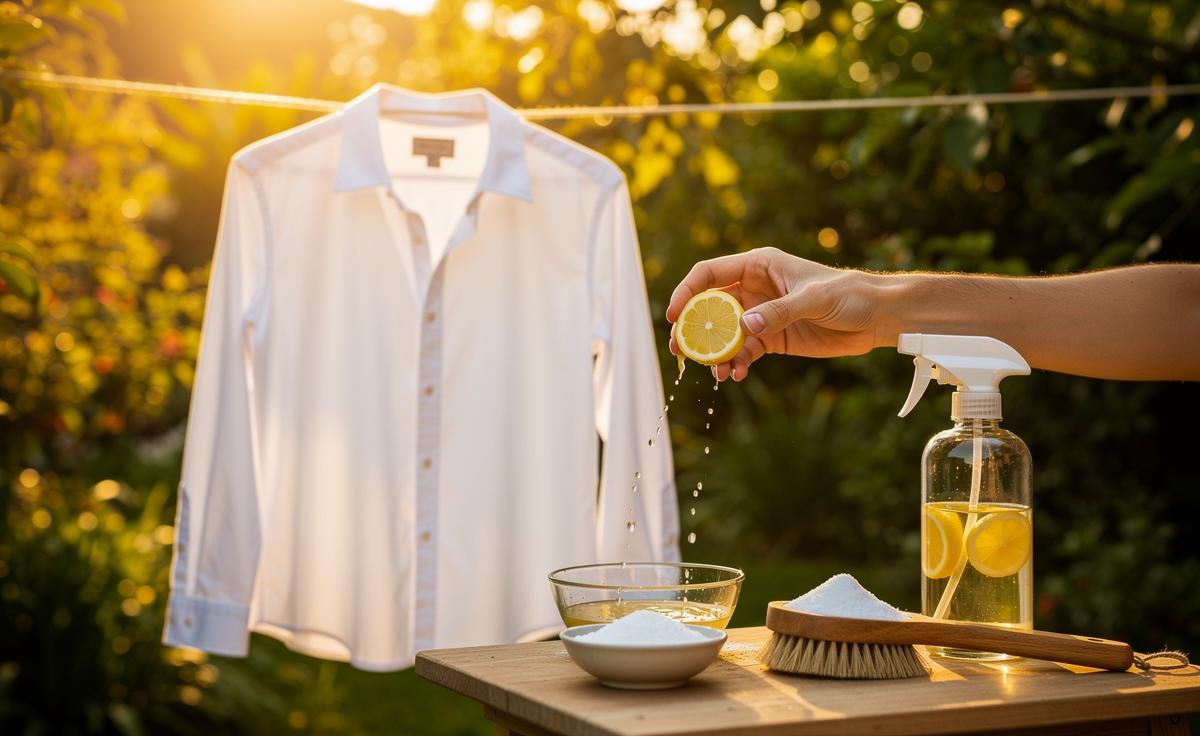
- 🌞 Diluted lemon plus sunlight creates photobleaching that breaks stain chromophores (tea, sweat, light mildew), gently brightening cotton and linen without harsh whiteners.
- 🧼 Practical methods: lemon-soak (30–60 min), wash-day booster (60–120 ml), bicarbonate of soda + lemon paste for mugs/sinks, and salt + lemon on rust—always patch test and rinse well.
- ⚠️ Safety first: avoid silk, wool, and viscose; never mix with chlorine bleach; keep acids off natural stone and aluminium; use only on durable whites and sun-dry for best results.
- 🌍 Eco edge: improves detergent performance in hard water, reduces product use and fragrance load, and reserves stronger agents like percarbonate for stubborn stains; store strained juice or freeze for easy dosing.
There’s a reason your grandmother reached for lemons when whites looked tired. This sunny fruit is more than kitchen décor; it’s a nimble cleanser that can lift dullness, target stains, and brighten fibres without the acrid harshness of chlorine. The secret lies in its natural chemistry, a blend of acids and oils that loosen grime and neutralise odours. Used smartly, lemon can revive shirts, linens, and tea-stained mugs while keeping your home routine low-toxic and pleasantly scented. Below, we explore how it works, when to use it, and the practical steps that make this citrus ally genuinely effective for crisp, confident whites.
The Chemistry Behind Lemon Whitening
At the heart of lemon’s cleaning power is citric acid, which lowers pH and helps dissolve mineral films that make fabrics appear grey. Hard water compounds cling to fibres, binding dirt and dye molecules. By chelating calcium and iron, citric acid breaks that grip, so residues rinse away more completely. Ascorbic acid (vitamin C) contributes mild reducing action that can counter some oxidised stains, while limonene, a citrus oil in the peel, cuts through greasy soils. Lemon doesn’t function like a chlorine bleach; it’s a gentle enhancer that restores brightness by removing the things that make whites look not-quite-white.
There’s also a photochemical twist. Apply diluted lemon juice, then dry items in direct sunlight, and you harness photobleaching. Ultraviolet light helps break apart chromophores in stains such as tea, perspiration, and mild mildew shadows. That synergy delivers a cleaner, clearer white without steely whiteners. The process is slower than a lab-grade bleach, but it’s kinder to cotton and linen and less likely to shred fibres.
Key components and what they do:
| Component | Action | Best For | Notes |
|---|---|---|---|
| Citric acid | pH lowering, chelating minerals | Greying from hard water, scale marks | Rinse thoroughly to remove loosened residues |
| Ascorbic acid | Mild reducing effect | Light oxidation stains (tea, rust halos) | Works best with sunlight exposure |
| Limonene | Solvent action on oils | Collar grime, cooking splashes | Found in zest; use sparingly on delicate fibres |
Practical Methods for Laundry and Home
For a simple brightening soak, mix the juice of one large lemon (about 50 ml) with 2 litres of warm water. Submerge white cotton shirts or pillowcases for 30–60 minutes, then launder as usual. Sun-drying after a lemon soak delivers a noticeable lift, especially on perspiration yellowing. For stubborn tea or tannin stains on mugs and sinks, sprinkle bicarbonate of soda inside, add a splash of lemon juice to form a paste, wait five minutes, then scrub and rinse. The fizz helps dislodge residue while the acid neutralises odours.
As a wash-day booster, add 60–120 ml of strained lemon juice to the detergent drawer for a white-only load. It supports the surfactants, particularly in hard-water regions, and keeps dinginess at bay. For collars and cuffs, dab a 1:3 lemon-water solution directly on the area, leave for 10 minutes, then wash. If you’re tackling rust specks, apply lemon juice, cover with salt, set in the sun for an hour, and rinse well. Always patch test on a seam to protect delicate weaves.
A quick kitchen and bathroom trick: cut a lemon in half, dip in bicarbonate, and glide it over limescale streaks on ceramic or enamel. Rinse thoroughly. Avoid natural stone; acids etch marble and limestone. To refresh yellowed net curtains, soak in a basin with lemon juice and a teaspoon of salt, then rinse until the water runs clear. Fresh scent, brighter whites, minimal effort.
Safety, Fabric Care, and Environmental Considerations
Lemon is gentle compared with bleach, but not risk-free. Do not use on silk, wool, or viscose blends, which can weaken under acidic conditions. Stick to cotton, linen, and durable synthetics. Rinse thoroughly to clear loosened minerals and any residual acidity that might stiffen fibres. Never mix lemon with chlorine bleach; acids can release chlorine gas from hypochlorite. Likewise, avoid contact with unsealed grout, natural stone, or aluminium, which may pit or discolour.
In the UK’s hard-water zones, lemon’s chelating ability is a quiet win. It helps detergents work better, so you can reduce product dosage slightly without sacrificing brightness. That means fewer surfactants down the drain and less energy used on re-washing. Compared with optical brighteners that merely mask yellowing, lemon targets the cause: mineral load and oxidised stain compounds. It also replaces fragranced softeners for those sensitive to synthetic scents, delivering a clean citrus note that dissipates quickly.
Store juice in the fridge for up to three days, or freeze in ice-cube trays for easy dosing. Strain pulp to prevent spotting. If you overdo acidity and fabric feels rough, run a follow-up rinse with cool water only. For stains that resist lemon—ground-in dye transfer, heavy mildew, or set-in toner—step up to oxygen-based whiteners like percarbonate, saving the citrus for maintenance. The smart routine is rotational: lemon for weekly brightness, stronger agents only when truly necessary.
Lemon won’t turn greying laundry into blinding hotel linen overnight, but it will coax true white back to the surface, gently and with a whiff of summer. From collar grime to mug tannins, its citric acid and sunlight partnership offer a practical, low-toxic path to clean. The key is precision: dilute, patch test, rinse, then let the sun finish the job. Used with care, this citrus cleanser is a bright, budget-friendly ally for households keen to cut harsh chemicals. Which item in your home will you try first with lemon’s quiet, effective lift—and what result do you hope to see?
Did you like it?4.4/5 (27)