In a nutshell
- 🔥 The feared hack is cold oven-cleaner degreasing, using a high-alkaline foam to dissolve carbonised grease quickly with minimal scrubbing.
- 🧪 Science angle: sodium hydroxide saponifies baked-on fats, making residue wipe away; it’s effective on enamel and oven glass when contact time is controlled.
- ⚠️ Material rules: avoid aluminium, anodised finishes, soft plastics, and seasoned cast iron; test hidden spots first and keep off door seals and decorative trims.
- ✅ Safety first: wear gloves and eye protection, ventilate well, work in small zones, respect dwell times, and never mix products; rinse thoroughly with hot soapy water, then a mild vinegar pass.
- 🧰 Gentler alternatives: use washing soda paste, sodium percarbonate soaks for racks, steam plus a scraper, and citrus degreasers—combine methods for a balanced, low-risk clean.
Every kitchen has a corner that mocks our best efforts. Burnt-on fat on the oven door. A charcoal ring welded to a baking tray. The pan you hide when guests come. Today’s thorny question is whether the most feared fix is actually the most effective. It involves a supermarket staple many avoid: oven cleaner, the caustic kind, used cold and patiently. Done right, it can turn chaos into clarity. Done wrong, it can mar surfaces and stink out the house. The difference lies in method, material, and respect for the chemistry. Here’s what to know before you dare.
The Hack Everyone Dodges: Cold Oven-Cleaner Degreasing
Whisper it: the fastest route through months of carbonised grease is a cold application of a sodium hydroxide foam. Yes, lye. That’s why people flinch. Yet the principle is almost elegant. High-alkaline cleaner breaks long-chain fats into soap and glycerol, loosening the black crust that resists scrubbing. No heat, no chisel, fewer tears. The fear is understandable, but the physics are sound. On the right surfaces, this is a scalpel, not a sledgehammer.
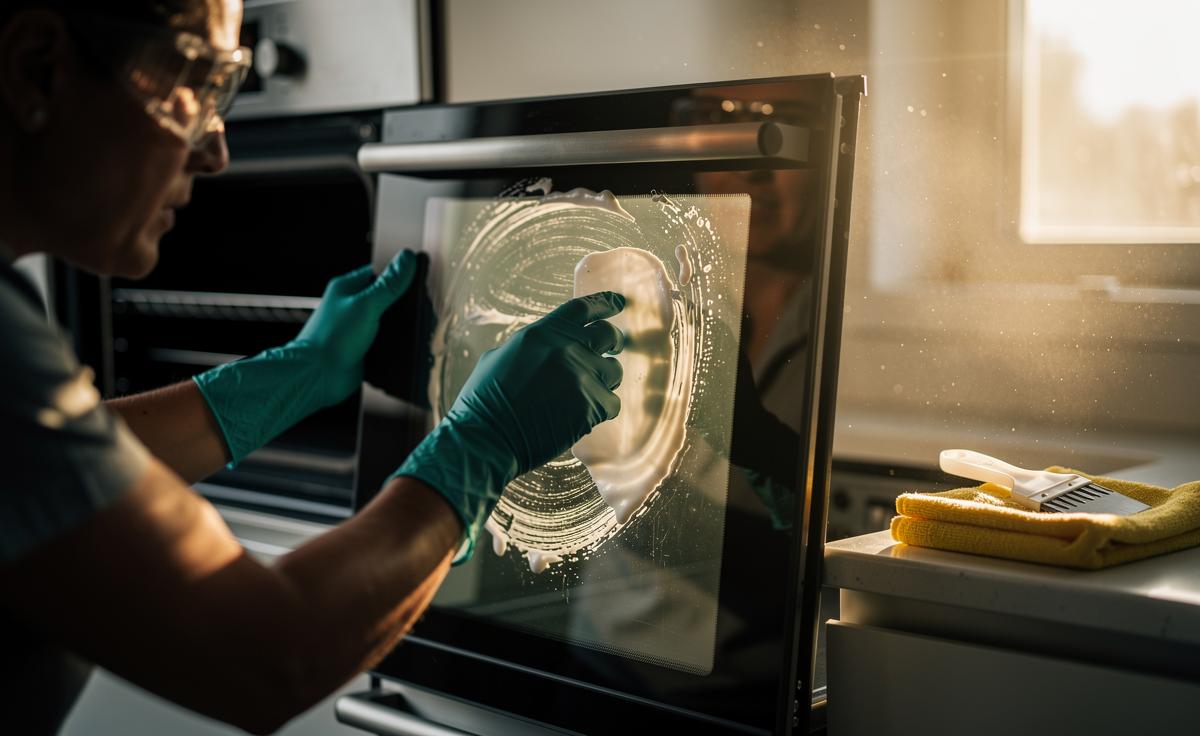
The process doesn’t require brute force. Spray a light, even coat on the cooled target. Leave it to dwell for 10–30 minutes, longer for thick deposits. Then wipe with a damp microfibre, lift residue with a plastic scraper, and repeat sparingly on stubborn patches. Finish with hot water and washing-up liquid. For smell-prone areas, a final pass with diluted white vinegar helps clear alkaline traces. The result? Often startling. Glass becomes glass again.
Still wary? Good. Caution keeps you safe. What separates a triumphant clean from an expensive mistake is compatibility, which brings us to the rules that matter.
What Science Says About Caustic Cleaning
Kitchen grime is largely polymerised oils and sugars, oxidised by heat into a varnish-like film. Mechanical abrasion works, eventually. Alkaline chemistry works faster. Sodium hydroxide attacks triglycerides, turning them into soap in situ. That’s why residue suddenly wipes rather than scrapes. On glass and enamel, which are chemically resilient, the risk is low with sensible contact times. On metals that react with alkali, risk rises. Aluminium is the big red line. It can darken, pit, or develop a dull bloom when exposed to caustic solutions, sometimes beyond repair.
Smell and safety matter too. The foam’s odour is sharp, but the real issue is the product’s corrosivity. It doesn’t care whether the protein is baked onto a tray or making up your skin. Gloves are non-negotiable. Eye protection is wise, especially when cleaning overhead. Ventilation turns a harsh session into a manageable one. The science also explains timing: dwell long enough for reaction, not so long that the cleaner dries into crystals. Wet chemistry works; dry crystals scratch. Respect the clock, respect the surface, and you can let the reaction do the labour that your elbows used to do.
Where It Works, Where It Doesn’t
Think like a conservator, not a demolition crew. Stainless steel, enamel, tempered oven glass, and many carbon-steel pans (if you plan to re-season) tolerate brief, controlled caustic contact. Decorative finishes, aluminium anything (including range hood filters), anodised cookware, and seasoned cast iron do not. Painted trims and soft plastics may cloud or warp. When in doubt, test a hidden corner for 60 seconds, wipe, rinse, and inspect in bright light. A spotless patch with no dulling means clear skies; any greying or fizzing signals “stop”.
Here’s a quick-reference snapshot to steer you:
| Surface/Item | Use Cold Oven Cleaner? | Notes |
|---|---|---|
| Oven glass, enamel interior | Yes | Short dwell; avoid door seals; rinse thoroughly. |
| Stainless splashback, hob trim | Yes, with care | Mask logos; keep off brushed decorative finishes. |
| Aluminium trays, hood filters | No | Risk of pitting and blackening. |
| Seasoned cast iron | No | Strips seasoning; use hot water and salt instead. |
| Carbon steel pans | Conditional | Only if re-seasoning; very brief contact. |
Safeguards, Steps, and Smart Alternatives
Preparation decides outcomes. Protect yourself first: gloves, old clothes, eye protection. Open windows, run the extractor, prop the oven door. Mask vulnerable edges with painter’s tape. Remove loose ash and crumbs so the cleaner hits grease, not grit. Then work small zones. Spray lightly, wait, wipe, repeat. Never mix products. Don’t chase speed by layering chemicals; you’ll only make fumes and trouble. Keep a bucket of hot water with washing-up liquid nearby for immediate rinsing and a second bucket for a quick vinegar rinse on resilient surfaces.
Prefer not to touch lye? You’ve choices. Washing soda (sodium carbonate) paste lifts medium grime, slower but gentler. Sodium percarbonate (oxygen bleach) in hot water tackles racks in a soak, safe for many metals except aluminium. Steam softens sugars, making a bamboo scraper surprisingly effective. Citrus-based degreasers break fresh oil films. A razor scraper on flat glass, used shallow, removes the final haze. The hybrid strategy wins: chemistry loosens, tools lift, soap finishes. The bravest act is often simply stopping at “clean enough”. Know when shine stops and damage begins, and your kitchen will thank you tomorrow as loudly as it gleams today.
There’s a reason this hack inspires both devotion and dread: it’s powerful, and power deserves respect. Used cold, targeted, and brief, caustic degreasing can reclaim ovens, trays, and splashbacks that once felt lost to time. Skip the wrong materials, suit up, and let chemistry carry the load instead of your shoulders. Then enjoy a kitchen that smells like dinner again, not defeat. The lingering question is simple, and personal: with the rules clear and the risks managed, are you ready to try the one cleaning method you’ve always avoided—or will you keep fighting with weaker weapons?
Did you like it?4.2/5 (24)