In a nutshell
- 🧊 Use activated charcoal to banish fridge odours via adsorption (not masking), trapping volatile compounds in vast micro-pores for truly fresh air.
- 🔬 Choose food-safe coconut-shell or bamboo carbon, placed in a breathable pouch; avoid BBQ briquettes with additives for a clean, effective setup.
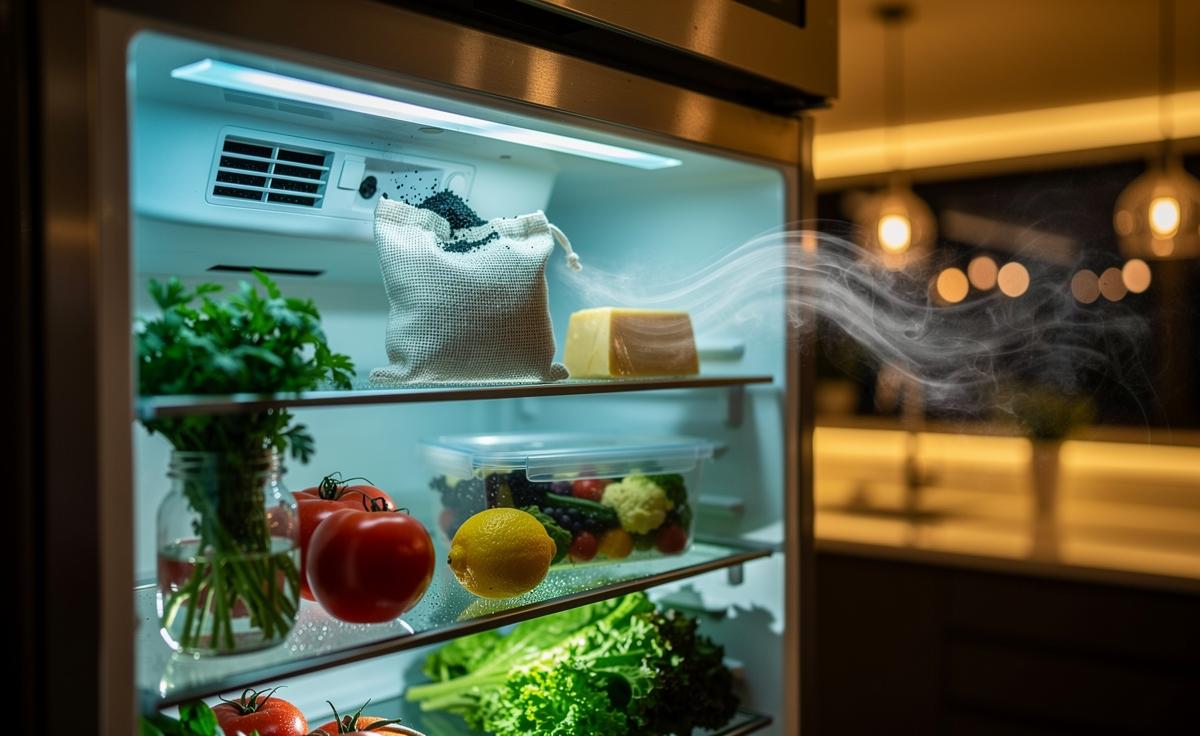
- 📍 Maximise results with smart placement: one pouch at the rear top shelf, another in the salad drawer, and a slim sachet on the door—without blocking vents.
- ♻️ Maintain with regular reactivation: oven at 110–120°C for 60–90 minutes (or sunlight for bamboo); expect peak performance for about 3–4 weeks per cycle.
- ⚠️ Keep away from kids and pets, dry thoroughly if wet, and retire spent carbon to soil as biochar—a low-cost, fragrance-free route to lasting freshness.
Opened a fridge and caught a whiff of last night’s curry or the stilton you swore was wrapped? You’re not alone. Household odours linger, mingle, and creep into crisp drawers and door shelves. The simplest fix isn’t flashy or scented. It’s charcoal. Not the perfumed kind, but activated carbon with a cavernous internal structure that traps smell molecules. It works quietly. It works fast. And when used correctly, it keeps cold spaces consistently fresh without masking anything. Here’s why the science stacks up, how to use it effectively, and the little placement tricks that mean you smell nothing at all—except your next meal.
How Charcoal Tackles Smell: The Science of Adsorption
Charcoal doesn’t perfume the air; it cleans it. The key is adsorption—not absorption. Odorous compounds stick to an immense network of pores and micro-channels inside the carbon. Picture a sponge, then multiply its effective surface area thousands of times; a gram of activated charcoal can offer hundreds of square metres of contact area. Volatile organic compounds from fish, cheese, and leftovers collide with that surface, lose momentum, and cling. Crucially, this is a physical process, so you’re not introducing new chemicals into the fridge.
Humidity matters. Fridges cycle moisture; when it rises, certain smells intensify. Good carbon manages this by catching water-associated molecules and sulphur-bearing gases at once. Coconut-shell and bamboo forms excel because their pore size distribution snags both small and mid-sized compounds. Speed is another advantage. In a closed cool space, gas-phase molecules hit the carbon constantly; efficacy shows within hours. What sets charcoal apart from gels or sprays is permanence: once captured, odours stay put until you regenerate the carbon with heat. It’s a quiet engine for freshness. Reliable. Reusable. Cheap.
Choosing and Preparing Charcoal for Fridge Use
Not all carbon is created equal. For the fridge, choose food-safe, fragrance-free activated charcoal made from coconut shell or bamboo. Regular BBQ briquettes often contain binders or ignition additives; avoid them entirely. A small pouch—roughly 100–200 g—suffices for an average UK family fridge, with a second pouch ideal for the salad drawer. Keep the carbon breathable: tip it into a muslin bag, old cotton sock, or perforated tin with a lid. Airflow is the point. Rinse away dust if the manufacturer advises, then dry thoroughly; damp clumps reduce performance and can smear shelves.
| Type | Typical Surface Area | Best For | Lifespan Before Reactivation | Reactivation Method |
|---|---|---|---|---|
| Coconut-shell Activated | 900–1200 m²/g | Persistent food odours | 3–4 weeks | Oven 110–120°C, 60–90 mins |
| Bamboo Activated | 400–800 m²/g | General freshness | 3–4 weeks | Sunlight 3–5 hours or oven |
| Natural Lump Charcoal | 300–600 m²/g | Short-term backup | 1–2 weeks | Oven 110–120°C, 90 mins |
To prep, place the carbon in its pouch, label the date, and position it once the fridge is tidy and dry. No perfumes, no oils, no mixing with food. If spills happen, replace the pouch after cleaning; fats can foul pores quickly. When performance dips, reactivate and reuse. Waste kept low. Smells kept lower.
Placement, Safety, and Maintenance Tips
Positioning makes a noticeable difference. Pop one pouch on the top shelf near the rear, where air circulates. Put a second smaller pouch in the salad drawer; leafy greens often trap moisture and magnify odours. If your fridge has a fan, give the carbon a spot in that airflow path without blocking vents. Door shelves benefit from a thin, flat sachet. Small space, big effect. Think like air: go where currents move.
Maintenance is simple. Every three to four weeks, check the smell test—if pungency returns, your carbon is saturated. Regenerate in a low oven (110–120°C) for up to 90 minutes on a tray, cool, then redeploy. For bamboo bags, a bright windowsill does the trick on a dry day. Keep dust contained; use a pouch that won’t shed. Safety is straightforward too: keep out of reach of children and pets, and don’t ingest. If the pouch gets wet, dry it thoroughly before reuse. When the carbon finally feels tired after several cycles, scatter it thinly in potting soil or compost; a small amount behaves like biochar, improving structure and retaining nutrients. From fridge to garden, one product keeps paying its way.
Charcoal’s real trick is honesty. It doesn’t disguise a pong; it removes it, and it does so with repeatable, low-cost efficiency. Clean shelves, store food in sealed containers, then let activated carbon do the quiet graft of trapping what escapes. In a world of fragranced fixes and gadgetry, this humble black powder is the dependable, science-backed option for fresh fridges and calmer kitchens. Where will you place your first pouch, and what stubborn smell are you planning to tackle this week?
Did you like it?4.3/5 (22)