In a nutshell
- 🌱 Trap cropping uses decoy plants to lure pests away from main crops, protecting yields while preserving pollinators and soil life.
- 🧩 Proven UK pairings: mustard/radish for flea beetle, nasturtium for cabbage whites, early broad beans or nasturtium for blackfly, and sacrificial lettuce rings for slugs.
- 🛠️ Setup essentials: sow the trap crop 1–2 weeks earlier, create a 20–40 cm border or sacrificial rows, keep decoys lush, monitor frequently, and remove infested growth promptly.
- 🧪 Evidence and caveats: results depend on timing, weather, and pressure—rotate decoys, combine with light netting and hand-picking, and avoid making the main crop overly lush with high nitrogen.
- 🦋 Organic integration: bolster predators with sweet alyssum and buckwheat, water in mornings to deter slugs, and keep records to refine pairings season by season.
When a crop bed bristles with holes and nibbled edges, many gardeners instinctively reach for sprays. Yet farmers from Lincolnshire to Lanarkshire have long relied on a quietly ingenious tactic: plant a decoy to safeguard the main harvest. This approach, called trap cropping, deploys a tastier, faster-growing plant to lure pests away from lettuces, cabbages, beans, and rocket. It’s affordable, simple to scale, and fits neatly into organic routines. Set a buffet for the insects, and they’ll leave your prized rows alone. With a little planning, you can turn insect behaviour to your advantage, reduce damage in peak season, and keep the biodiversity that underpins a resilient garden ecosystem.
What Is Trap Cropping and Why It Works
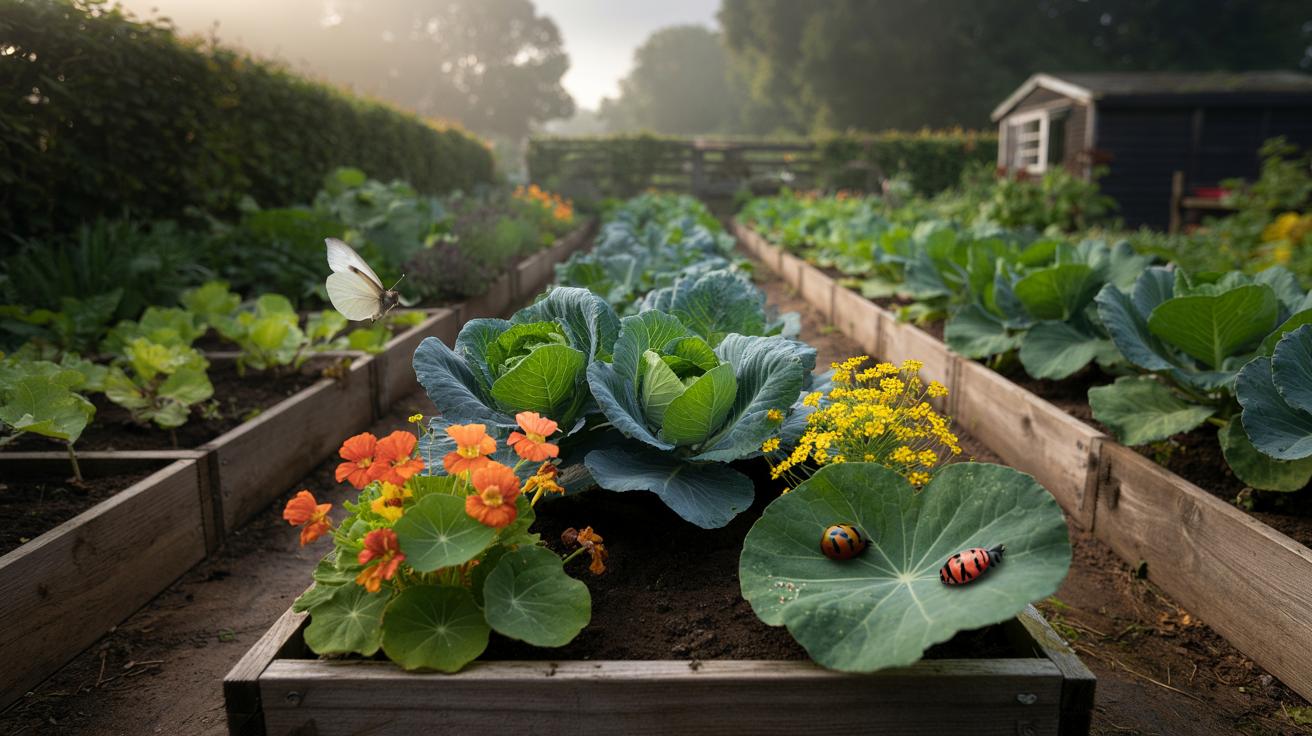
Trap cropping hinges on a straightforward insight: many pests are choosy, flocking to the most aromatic, tender, or early-available plants. A deliberately sown trap crop acts as a magnet, concentrating activity where you can monitor and manage it. In brassica patches, for example, a rim of mustard can outcompete kale or cabbage for flea beetles. Nasturtiums tempt cabbage white butterflies to lay eggs on their leaves instead of on your broccoli. The result is a controlled hotspot that protects the crop you actually want to eat. Unlike blanket pesticides, this method preserves pollinators and predators, supports soil life, and avoids residue concerns on salad crops.
The science is simple but powerful. Pests follow cues such as scent, leaf texture, and canopy density; the decoy exaggerates those signals. You then prune, compost, or dispose of infested growth, or combine with traps. Success depends on timing, density, and variety choice—make the decoy earlier, juicier, and more abundant than the target crop, and you tilt the odds in your favour.
Best Trap-Crop Pairings for UK Gardens
Start with proven pairings that match common British pests and popular veg. A quick-sown border of mustard or radish can shield young brassicas from flea beetle pitting, while nasturtium intercepts cabbage white butterflies. For aphids, either seed nasturtium near beans or set an early, sacrificial row of broad beans to concentrate blackfly, then prune the tips to remove colonies. Soft-leaved lettuce or marigold rings attract slugs and snails; combine these with beer traps or nightly hand-picking. In tunnels, French marigold (Tagetes) can function as a decoy and banker plant for beneficial insects. Choose decoys you don’t mind losing, and position them where you can inspect them quickly.
| Pest | Trap Crop | How to Use |
|---|---|---|
| Flea beetle | Mustard or radish | Sow a dense 20–30 cm border around brassicas and rocket; keep moist for lush growth. |
| Cabbage white butterfly | Nasturtium | Plant trailing nasturtium at bed edges; inspect and remove egg clusters weekly. |
| Black bean aphid | Nasturtium or early broad beans | Pinch out infested tips; leave ladybirds and hoverfly larvae to feed. |
| Slugs and snails | Lettuce sacrificial ring | Water at dusk to draw pests, then hand-pick or deploy beer traps nearby. |
| Leaf miners | Swiss chard | Grow a decoy row; remove and bin mined leaves promptly. |
Adapt to your microclimate: coastal plots often have strong cabbage white pressure, while urban patios may see more aphids and slugs. Keep spare seed so you can re-sow decoys through the season.
How to Set Up a Trap-Crop Border Step by Step
Begin by mapping your beds and the pests you usually face. Sow or plant the trap crop one to two weeks before the main crop so it’s more attractive. Aim for a perimeter strip 20–40 cm wide, or a “sacrificial row” every third row in large beds. In pots or raised planters, dot decoys at the corners to intercept incoming insects. Density matters: a sparse decoy won’t pull enough pressure away from your crops. Water and feed the decoy well to keep it tender, which makes it irresistible to pests.
Once the decoys start working, patrol them every few days. Squash eggs on nasturtiums, cut and compost mustard tops crawling with flea beetles, and reset slug traps around sacrificial lettuces. If pressure spikes, net the main crop—not the decoy—so pests keep choosing the trap. Re-sow decoys after heavy grazing to maintain the lure. Dispose of heavy infestations in green waste if you’re worried about spreading problems in home compost.
Evidence, Caveats, and Organic Integration
Farm trials and allotment reports point to meaningful reductions in damage when trap crops are timed and placed well. Brassica growers have used mustard borders to dilute flea beetle attack during hot, dry springs, while nasturtium lines help home gardeners manage cabbage white egg-laying. Still, results vary with weather and local pest loads. Treat trap crops as part of an integrated plan, not a silver bullet. Rotate decoys to avoid harbouring disease, keep weeds down so the lure stays dominant, and mix in physical barriers when seedlings are at their most vulnerable.
Layer the benefits by encouraging predators: interplant with sweet alyssum or buckwheat to feed hoverflies and lacewings, and leave a small patch of nettles for early ladybirds. Water in the morning to make evenings less slug-friendly, and avoid high-nitrogen feeds on the main crop that can make it equally alluring. Keep notes—varieties, sowing dates, and weather—to refine your pairings year on year.
Trap cropping won’t abolish pests, but it will restructure the battle on your terms—cheaply, quietly, and with fewer compromises for wildlife. A few metres of mustard or a tumble of nasturtiums can transform a beleaguered bed into a manageable, productive plot. It’s an approach that rewards observation and quick, light interventions rather than heavy-handed sprays. Start small, measure the difference, and scale what works for your patch. Which pest gives you the most grief, and how might a carefully chosen decoy help you turn that pressure into a predictable, controllable pattern this season?
Did you like it?4.6/5 (25)