In a nutshell
- 🔧 Lower the radiator flow temperature on condensing boilers to around 60°C to boost efficiency without sacrificing comfort; this setting is separate from the hot-water tap temperature.
- ♨️ Condensing works best when the return temperature is below ~55°C; reducing flow cuts short-cycling and delivers longer, steadier heat across rooms.
- 🔒 Safety first: do not lower the hot-water cylinder thermostat—keep it at 60°C or higher for legionella protection; the tweak targets the heating circuit only.
- 🛠️ Simple steps: identify boiler type, set the radiator control to 55–65°C, test for 24–48 hours, and fine-tune; support with TRV adjustments, radiator bleeding, and weather compensation where available.
- 💷 Real-world gains: typical gas savings of 5–12% (e.g., £70–£180 for a 3-bed semi) with improved comfort; myths busted—homes won’t get colder, and it’s not just for new builds.
UK households are still feeling the pinch from eye-watering energy costs, yet the fix that slices bills without sacrificing comfort is sitting right on the boiler. The “genius hack” is a simple tweak: lower your boiler flow temperature, the setting that dictates how hot water leaves the boiler for your radiators. For most modern homes with a condensing boiler, turning this down to around 60°C can raise efficiency and reduce gas use. This is a no-tools adjustment that takes minutes, and unlike turning down the room thermostat, it needn’t make you feel cold. Here’s why it works, who it suits, and how to do it confidently today.
The One Adjustment: Lower Your Boiler Flow Temperature
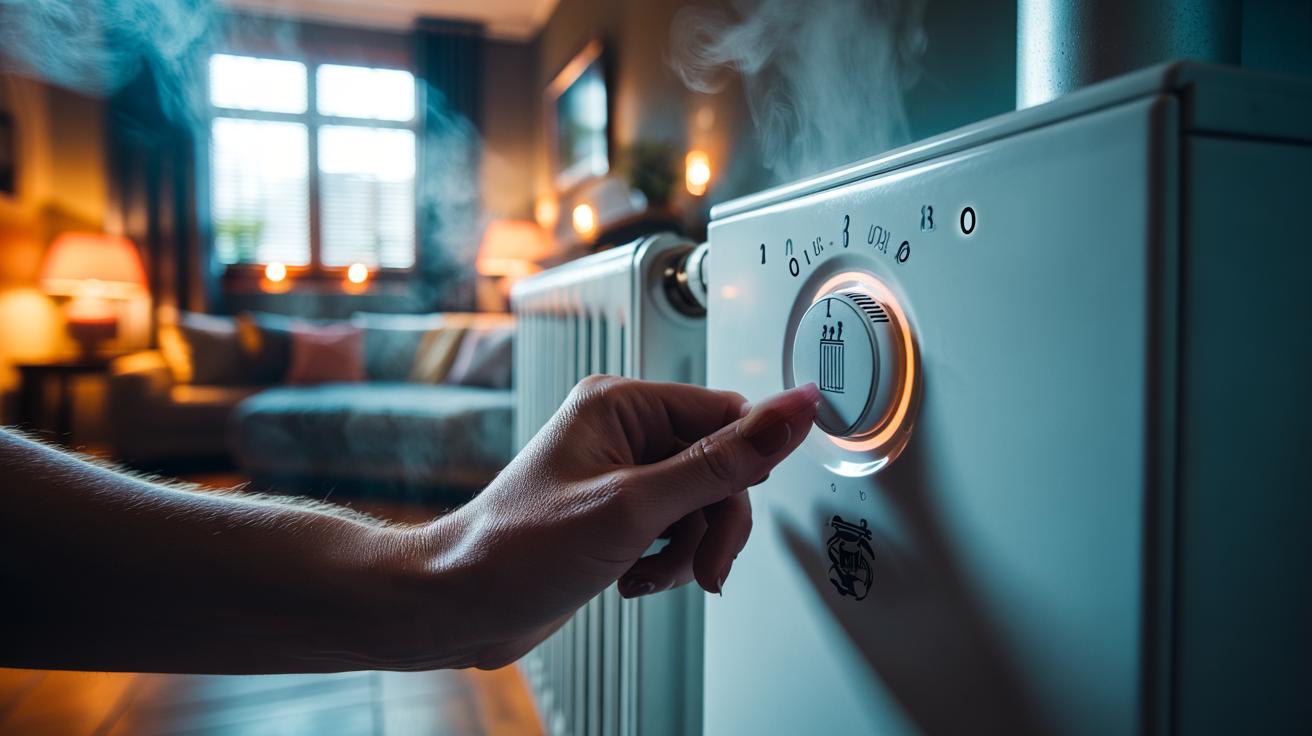
The setting to change is the radiator flow temperature on your boiler’s control panel—often a dial with a radiator icon, or a digital menu. Most systems leave the factory at 70–80°C, which is great for rapid heat but poor for efficiency. Set it to about 60°C for typical radiators, nudging to 65°C only during icy snaps. For many homes, 60°C will keep rooms warm while cutting gas consumption. If you have a combi boiler, this is separate from the hot tap setting; you’re not reducing your shower temperature. System or regular boilers with cylinders are similar: adjust the heating flow, not the cylinder’s safety-critical thermostat.
Two crucial cautions. First, this advice is aimed at condensing boilers, which most UK homes now have. Very old, non-condensing models may not benefit. Second, never drop a hot-water cylinder stat below 60°C—legionella protection matters. Do not change the cylinder temperature—only the radiator flow. With that clear, the pay-off can be immediate: longer, steadier radiator warmth, fewer boiler on/off cycles, and a tangible dent in your bill.
What Is Boiler Flow Temperature—and Why It Matters
Flow temperature is the heat of water leaving the boiler for the radiators; return temperature is what comes back. Modern boilers are designed to “condense”: they extract latent heat from water vapour in the flue, but only if the return temperature is cool enough—ideally below roughly 55°C. When you run the flow at 70–80°C, the return is often too hot to condense, so the boiler behaves more like an old unit, missing a chunk of efficiency. Lowering the flow to about 60°C helps the return dip into that condensing sweet spot more often.
There’s comfort logic too. High flow temperatures can overheat radiators quickly, the thermostat shuts off, and the boiler short-cycles—an inefficient stop-start pattern. A modest flow temperature encourages longer, smoother burns that keep rooms evenly warm. The result: less fuel for the same comfort. Field trials and installer experience consistently report savings in the mid-single to low-double digit percentages, especially in homes with decent insulation and well-sized radiators.
How to Change It Safely, Step by Step
Step 1: Identify your boiler type. If it’s condensing (a plastic condensate pipe is a giveaway), you’re in scope. Combi owners should find two controls: one with a tap (hot water), one with a radiator (heating). System or regular boilers will have a heating temperature control and a separate cylinder thermostat. Leave the cylinder at 60°C or above.
Step 2: Set the heating flow to 60°C. Use the radiator dial or menu: lower to around 60°C. In milder weather try 55–58°C; in colder spells, 60–65°C. Step 3: Test and fine-tune. Give it 24–48 hours. If rooms lag behind target, nudge up a couple of degrees. If they’re comfortable, you’ve hit your sweet spot. Step 4: Support the change. Open all internal doors during the test, ensure radiators are bled, and set TRVs to the rooms’ needs. Underfloor heating thrives at even lower flows (35–45°C), so this tweak is naturally aligned with those systems.
Savings, Evidence, and Common Myths
Industry trials, energy-charity pilots, and installers’ logs indicate typical gas savings often in the 5–12% range once homes achieve consistent condensing. The exact number varies with radiator sizing, insulation, and usage patterns. Expect the boiler to run for longer but gentler cycles—this is by design, not a fault. A longer run at a lower temperature can use less gas than short bursts at a high temperature. Pair the tweak with smart scheduling and weather compensation (if available) for a bigger effect, while keeping comfort steady.
Three myths to bin. First: “It’ll make my house cold.” No—it changes how heat is delivered, not your thermostat target. Second: “Lower flow risks legionella.” That applies to hot-water cylinders, not the radiator circuit; keep the cylinder at 60°C. Third: “It’s only for new builds.” Many 1990s-onward homes benefit, particularly where radiators are reasonably sized and insulation is fair.
| Home Scenario | Typical Flow Change | Estimated Annual Saving | Notes |
|---|---|---|---|
| 3-bed semi, condensing combi | 75°C → 60°C | £70–£180 | Assumes average gas use; varies by winter severity |
| Flat with good insulation | 70°C → 58°C | £40–£120 | Lower heat demand amplifies condensing gains |
| Older home, big radiators | 80°C → 60–65°C | £60–£150 | Balance radiators to help return temps drop |
Here’s the bottom line: for most condensing boilers, lowering the radiator flow temperature to around 60°C is the quickest, cheapest route to real savings without sacrificing comfort. Pair it with sensible TRV settings, regular radiator bleeding, and a smart schedule, and the efficiency dividend grows. Do not touch the hot-water cylinder thermostat—keep it at 60°C or higher. If your home runs cold at 60°C, increase by small steps until comfort returns; the efficiency lift remains. Ready to try the two-minute dial turn that could cut your bills—what temperature will you start with, and how will you measure the difference?
Did you like it?4.6/5 (20)