In a nutshell
- 🌡️ Lower your boiler flow temperature to 55–60°C to keep the boiler in efficient condensing mode, delivering steady comfort while saving £100s annually.
- 🛠️ Follow a simple process: find the CH flow setting, start at 60°C, test for a week, then fine-tune; use TRVs and balancing to even heat, and keep domestic hot water settings separate.
- ⏱️ Needs about 20 minutes and basic tools: a radiator key, small screwdriver, and thermometer; smart controls can remain as-is, and many underfloor heating systems already run low-temperature.
- 🧮 Expect 5–12% less gas use—roughly £70–£250 per year depending on home size and insulation—with instant payback and extra gains from draught-proofing and better schedules.
- ⚠️ Prioritise safety: keep cylinder temps at 60°C to avoid Legionella, watch for short cycling, bleed radiators, and consider weather compensation if available.
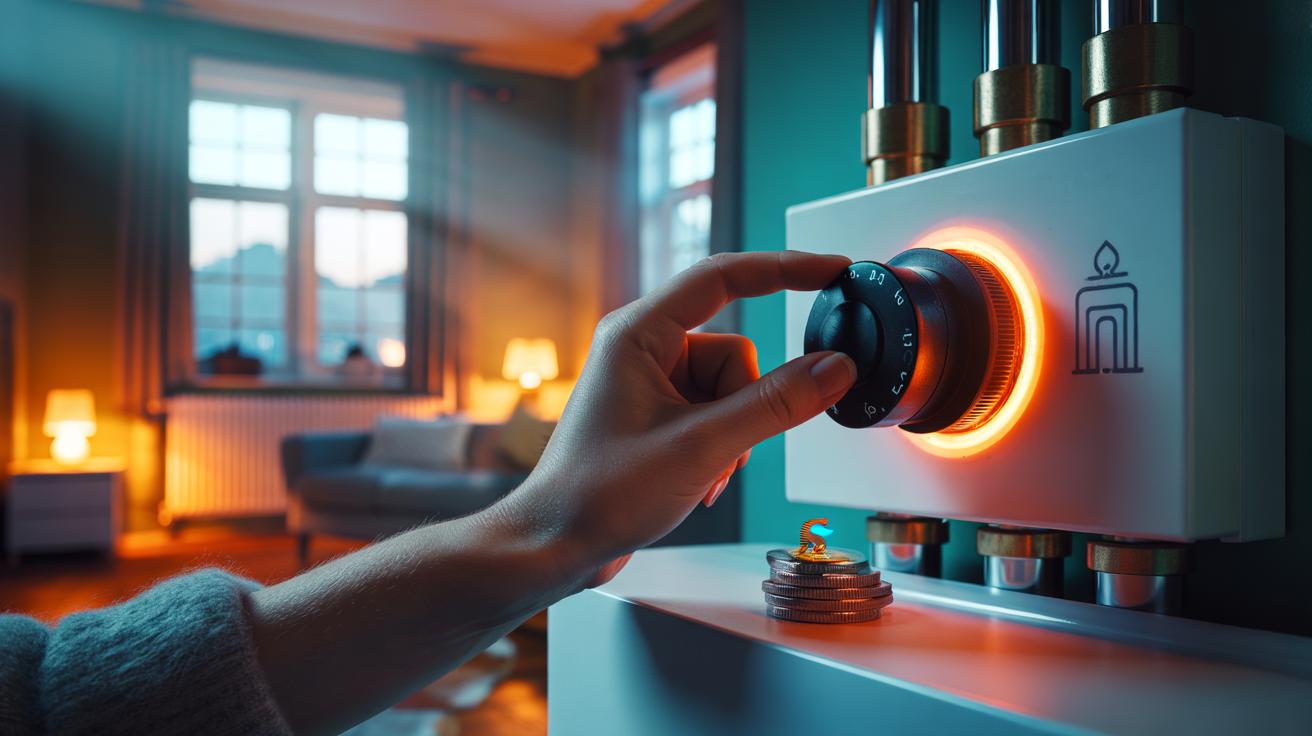
Across the UK, a growing band of home DIY enthusiasts are cutting their energy bills with one quietly powerful tweak: turning down the boiler flow temperature. This setting, often hidden behind a simple radiator icon on modern gas boilers, governs how hot the water leaves the boiler to your radiators. By lowering it to a sweet spot of roughly 55–60°C, households are reporting noticeably lower gas use without sacrificing comfort. This adjustment takes minutes, costs nothing, and can save £100s a year in typical homes. It’s not about shivering under blankets; it’s about helping your boiler run in its most efficient, “condensing” mode for longer. Here’s how the tip works, the steps to apply it safely, what savings to expect, and the common pitfalls to avoid.
What Lowering Boiler Flow Temperature Actually Does
Most UK homes heat with a condensing gas boiler. These units are designed to reclaim heat from exhaust gases, but they only do this effectively when the return temperature from your radiators is below about 55°C. If the boiler sends water out too hot—say at 70–80°C—the water returns hot as well, and the boiler spends less time in its most efficient zone. By reducing the flow temperature to 55–60°C, you help the boiler condense more often, turning wasted flue heat into warmth for your home.
The result is a lower gas burn for the same comfort level over a typical heating cycle. Rooms may warm up more gradually, but radiators stay pleasantly warm for longer. Comfort remains steady, drafts are reduced, and the system avoids the wasteful “blast-and-coast” pattern. For combination boilers, this adjustment applies to the central heating setting only; your separate domestic hot water target can stay higher for safe taps and showers.
Step-by-Step: How to Turn Down and Test
1) Find the setting: On many boilers, look for a radiator icon or “CH Flow” temperature in the menu. Older models may use a dial marked with numbers or degrees. 2) Start at 60°C: This is a reliable starting point for most radiator systems. 3) Test for a week: Heat your home as normal. Rooms should reach your thermostat set-point; they may take a little longer but remain evenly warm. If rooms still reach temperature comfortably, you’re saving energy without sacrificing comfort.
4) Fine-tune to 55–58°C if your home still heats well. 5) Use TRVs (thermostatic radiator valves) to tame overheated rooms, and open colder room valves a notch. 6) If far rooms lag, consider balancing radiators: slightly close lockshield valves on radiators nearest the boiler to encourage more flow to distant ones. 7) Note: For system boilers with a hot water cylinder, adjust heating flow only and keep the cylinder temperature at 60°C for hygiene.
Tools, Time, and Safety Notes
Most households can complete this tweak in under 20 minutes, with minimal equipment. Helpful items include a radiator key (to bleed trapped air), a small flathead screwdriver for lockshield valves, and a simple digital thermometer to check room conditions. If you have wireless TRVs or smart controls, leave schedules unchanged initially; the goal is to observe how the home behaves with a gentler, more efficient heat curve.
Safety matters: This adjustment is for the central heating flow only. Keep your domestic hot water setting high enough for safe hot taps, and do not reduce a cylinder set-point below 60°C because of Legionella risk. If a boiler displays fault codes or short-cycles rapidly, return the setting to the previous value and consult a qualified engineer. Homes with underfloor heating may already operate at low temperatures; in that case, this tip is largely built-in via the mixing valve and manifold controls.
Expected Savings and Payback
Households typically report a 5–12% reduction in gas used for space heating after optimising flow temperature, translating to £70–£200+ a year depending on property size, insulation, and usage. The payback is instantaneous because the change is free. Savings scale in colder months when radiators run longer and the boiler can spend more time condensing. Think of it as tuning the system you already own to perform closer to its design promise.
| Home Type | Old Flow Temp | New Flow Temp | Estimated Annual Saving | Comfort Notes |
|---|---|---|---|---|
| 1–2 bed flat (well-insulated) | 70–75°C | 55–58°C | £70–£120 | Steady warmth; longer radiator runtime |
| 3-bed semi (average insulation) | 70–80°C | 58–60°C | £100–£180 | Heat-up slightly slower, same set-point |
| Large detached (mixed radiators) | 70–80°C | 58–62°C | £150–£250 | Balance far rooms; consider TRV tweaks |
Results vary with weather, occupancy, and control habits. Pairing with small fixes—like draught-proofing or upgrading programmer schedules—often increases the benefit.
Common Pitfalls and How to Fix Them
If rooms fail to reach temperature, raise the flow setting by a few degrees and try balancing. Begin by fully opening all radiators, then slightly throttle the lockshield on the closest units to push hot water to distant ones. Bleed air if tops feel cool. Even distribution matters more at lower temperatures, because flow needs to be shared fairly across the circuit. Another issue is short cycling—the boiler firing on and off too often. This can happen if the set-point is too low for the home’s heat loss or if emitters are undersized; increase the flow temperature by 2–3°C and reassess.
For combi boilers, keep domestic hot water at a comfortable setting independent of heating. For system boilers and cylinders, ensure the cylinder stat remains at 60°C. Finally, avoid constantly toggling the thermostat; let the system run and stabilise. Adding TRVs, sealing draughts, and using weather compensation (if available) can amplify savings without affecting comfort.
Cutting bills rarely requires expensive kit—sometimes it’s a smarter setup. Lowering your boiler flow temperature aligns how your home heats with how modern boilers deliver their best efficiency, keeping rooms comfortable and costs down. The tweak is quick, reversible, and safe when you keep hot water hygiene in mind. If you try it, note your meter readings over two weeks and listen to how the home feels through colder evenings. The data—and your comfort—will tell you if you’ve hit the sweet spot. What flow temperature will you test first, and how will you fine-tune it for your home’s quirks?
Did you like it?4.6/5 (28)