In a nutshell
- 🔬 Turmeric’s curcumin shows laboratory antiviral activity—disrupting viral entry/replication and modulating inflammation (NF‑κB)—but human evidence remains early and mixed, so it is not a cure.
- 🍽️ Best framed as a supportive dietary ingredient: culinary use with black pepper (piperine) may aid absorption; concentrated supplements carry quality, interaction, and safety caveats.
- 🧪 Scientists are testing bioavailability boosters—piperine, liposomes, and nanoparticles—yet robust, large-scale clinical trials and dose standardisation are still needed.
- 🧂 Other pantry allies—garlic (allicin), ginger (gingerols/shogaols), cinnamon (cinnamaldehyde), cloves (eugenol)—show mainly in vitro signals; real-world benefits remain uncertain.
- 🛡️ In public health terms, spices can complement care but do not replace vaccines or prescribed antivirals; think diverse, plant‑rich meals within a broader wellbeing toolkit.
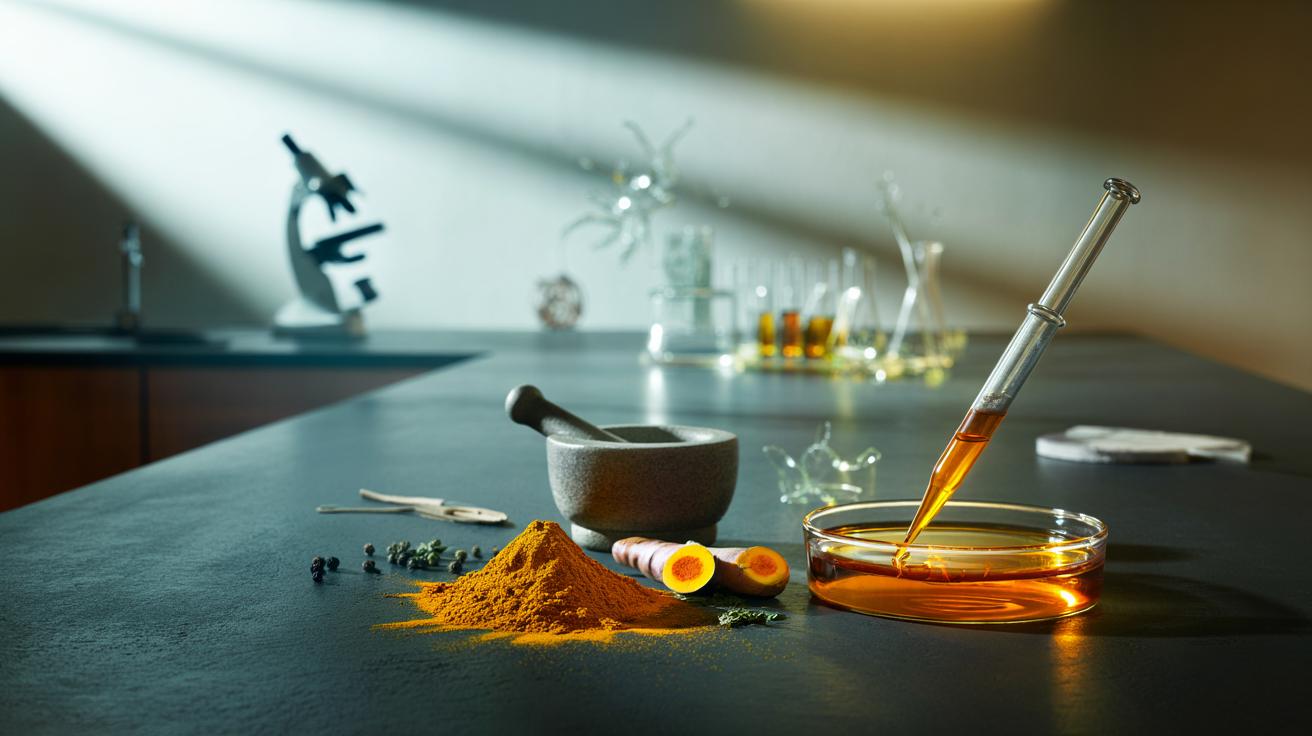
Britain’s kitchens are packed with unassuming ingredients that double as cultural touchstones and health talking points. One of the most discussed is turmeric, the golden spice that gives curry its colour and has lately drawn attention for possible antiviral qualities. From steaming broths to trendy “golden milk,” the idea that a spice could help in the fight against viruses is enticing. Scientists are testing whether turmeric’s lead compound, curcumin, can hinder viral entry and replication, while tempering the body’s inflammatory response. It is vital to stress that a spice is not a stand‑alone cure and does not replace vaccination or prescribed antivirals. Still, the convergence of tradition and lab data is a story worth unpacking.
Why Turmeric Is in the Spotlight
Turmeric has long been used in South Asian cooking and medicine, lending colour, aroma, and a reputation for soothing sore throats and winter colds. Its star molecule, curcumin, is a polyphenol studied for anti‑inflammatory and antioxidant activity. Recently, researchers have explored whether these properties extend to antiviral mechanisms. Early experiments show curcumin can interfere with viral envelopes and proteins that viruses use to attach to human cells. That makes it a candidate adjunct, not a cure. The appeal lies in turmeric’s accessibility and the idea that everyday food choices might contribute to resilience during cold and flu season.
There’s also a practical draw: turmeric is inexpensive and widely available across UK supermarkets. Food manufacturers and biotech teams are experimenting with improved formulations—pairing curcumin with piperine from black pepper or packaging it in liposomes and nanoparticles—to tackle its low bioavailability. Better delivery could mean more consistent effects in the body, but it also raises questions about dose, safety, and oversight that belong in the clinic, not the spice rack.
What the Science Says About Antiviral Potential
Laboratory studies report that curcumin can disrupt steps many viruses rely on: attachment, membrane fusion, and enzymes essential for replication. Evidence spans a range of pathogens—influenza, respiratory syncytial virus (RSV), herpes simplex, hepatitis C, and even coronaviruses including SARS‑CoV‑2. The compound appears to bind viral proteins or modulate host pathways such as NF‑κB, potentially dialling down the inflammatory surge that worsens symptoms. These findings are promising, but much of the data remains preclinical, meaning petri dishes and animal models rather than large, real‑world trials.
Human evidence is emerging but mixed. Small studies suggest curcumin, often combined with piperine to enhance absorption, may improve inflammatory markers or shorten symptom duration in mild upper respiratory infections. For COVID‑19, early adjunct trials report improvements in laboratory markers and self‑reported symptoms, yet results vary and sample sizes are limited. No robust, large-scale randomised trials have proven curcumin prevents or cures viral illnesses, and healthcare guidance still prioritises vaccination, proven antivirals, rest, and hydration. Researchers are now focusing on dose standardisation, formulation, and safety in diverse populations to clarify where turmeric truly fits.
From Lab Bench to Kitchen: Realistic Uses and Limits
In day‑to‑day life, turmeric fits best as a supportive dietary ingredient. A teaspoon stirred into soups, dals, or warm milk, ideally with a pinch of black pepper, is a traditional route that many find comforting during cold months. Culinary amounts are generally considered safe for most people, and they bring flavour as well as colour. Think of turmeric as part of an overall pattern—balanced meals, good sleep, hand hygiene—rather than a silver bullet against viruses.
Supplements are tempting but carry caveats: variability in quality, potential interactions with anticoagulants and other medicines, and gastrointestinal side effects for some. People with gallbladder issues or those who are pregnant should seek personalised advice before using concentrated extracts. If you’re unwell or at high risk of complications, professional care comes first, and any spice‑based strategy should be discussed with a clinician. For the rest of us, turmeric can play a small, flavourful role alongside established protections such as vaccines and timely medical treatment.
How It Compares With Other Pantry Allies
Turmeric is not the only cupboard staple with antiviral chatter around it. Garlic brings allicin, a compound linked to antimicrobial effects in vitro. Ginger contains gingerols and shogaols that may ease respiratory discomfort and show lab‑based antiviral signals. Cinnamon (cinnamaldehyde) and cloves (eugenol) offer additional activity in test tubes. These are intriguing leads rather than prescriptions, and real‑world benefits depend on dose, absorption, and the specific virus. Combining spices in meals can diversify phytochemicals without relying on any single ingredient to carry the load.
| Spice | Key Compound | Proposed Antiviral Action | Evidence Strength |
|---|---|---|---|
| Turmeric | Curcumin | Blocks entry/replication; modulates inflammation | Promising in vitro; early human adjunct data |
| Garlic | Allicin | Disrupts microbial membranes and enzymes | In vitro; limited clinical support |
| Ginger | Gingerols/Shogaols | Potential inhibition of viral attachment; soothing effect | In vitro; symptomatic relief reports |
| Cinnamon | Cinnamaldehyde | Interferes with viral proteins; anti‑inflammatory | In vitro; human data scarce |
| Cloves | Eugenol | Membrane disruption; antioxidant support | In vitro; limited clinical evidence |
No spice replaces vaccines or prescribed antivirals, but a varied, plant‑rich diet provides a matrix of bioactive molecules that may complement mainstream care. The kitchen becomes a supportive setting—warming soups, teas, and curries—while the clinic remains the place for diagnosis and treatment. Diversity in ingredients may offer more than relying on a single hero compound, and it keeps meals interesting.
Turmeric’s rise from pantry staple to research subject illustrates how food and medicine often meet in the middle. The evidence base is growing, especially around curcumin, delivery technologies, and inflammation control, yet definitive claims would be premature. For now, think of turmeric as a helpful extra in a broader toolkit that includes vaccination, timely care, rest, and nourishment. As scientists refine formulations and trials scale up, what role do you think kitchen spices should play in the UK’s approach to seasonal viruses and emerging infections?
Did you like it?4.5/5 (28)