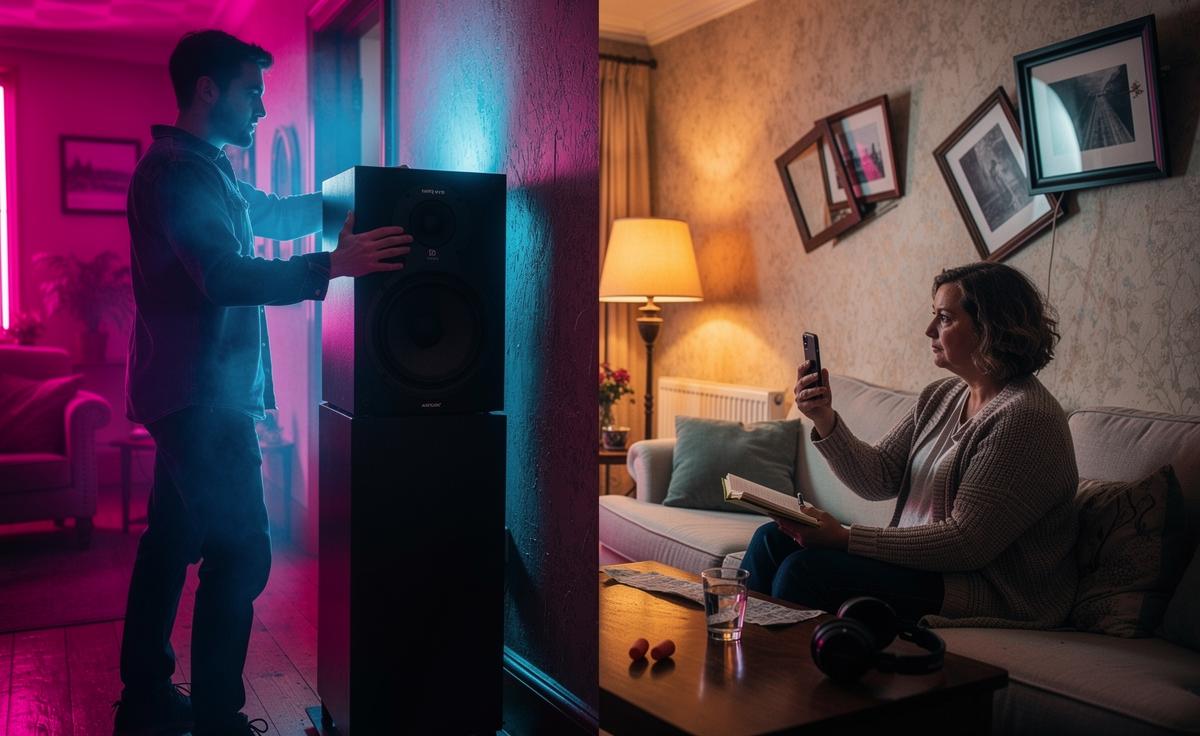
In a nutshell
- 🤝 Begin with a calm conversation at a sensible time, use I-statements, avoid retaliation, and note the date of your approach to show reasonableness.
- 📝 Build a persuasive evidence bundle: a 14+ day noise diary, short recordings, photos, and one measured message proposing solutions.
- 🏛️ Try mediation, then involve Environmental Health for potential statutory nuisance action, including a Noise Abatement Notice with enforcement for breaches.
- 📜 Escalate via the landlord, housing association, or freeholder using tenancy/lease covenants; if needed, pursue a private case under Section 82 of the Environmental Protection Act 1990.
- 🚓 Call police for threats or disorder; meanwhile, use practical sound-reduction tweaks (soft furnishings, moving beds/speakers) and choose the lightest effective tool first.
Noise travels through walls, floors, and routines. When a neighbour’s bassline, barking, or DIY spree invades your home, the stress is real, affecting sleep, productivity, and relationships. Yet peace is possible. The smart route starts with human connection, moves through careful evidence gathering, and, if needed, taps the UK’s robust legal tools for statutory nuisance. This guide maps a clear path—practical, legally informed, and grounded in what actually works. Expect conversation strategies that defuse tension, step-by-step documentation tips, and a concise rundown of council powers. You can be firm without being hostile, assertive without escalating. Here’s how to approach a noisy neighbour—and reclaim your quiet—with confidence.
Read the Room: Start With Calm Conversation
Begin where most disputes end: a calm conversation. Choose a good moment—early evening, not peak frustration—and keep it short. Introduce yourself, describe the specific noise (time, type, impact), and use I-statements: “I struggled to sleep after 11pm when the music was on,” rather than “You’re always noisy.” Offer a simple ask: closing a door gently, moving speakers off a shared wall, setting a finish time. People often don’t realise how sound carries in terraces and flats. Never retaliate with more noise. It invites escalation and weakens your position if official action follows.
If face-to-face feels risky, slip a note with your contact details and a friendly tone. Keep your own voice measured. Short sentences help. Don’t accuse; invite solutions. Many neighbours will adjust immediately, especially if you acknowledge their right to normal living sounds and frame your request around sleep or work needs. If you feel unsafe approaching them, skip this step and go straight to formal routes. Either way, record the date of your approach. That one line in a log can later demonstrate reasonableness.
Gather Evidence: Build a Persuasive Record
When noise persists, your best ally is a tidy, credible evidence bundle. Keep a noise diary for each incident: date, start/stop times, description (bass through wall, drilling, shouting), and impact (woke child, missed meeting). Keep a noise diary for at least 14 days to show a pattern. Add short audio clips on your phone; you’re illustrating character and consistency, not chasing lab-grade decibels. Context matters more than raw numbers: frequency, predictability, and how often it disturbs rest. If others are affected, encourage them to keep diaries too; parallel logs bolster reliability.
Photos can show speakers pressed to party walls or building works at unsocial hours. Note mitigating steps you’ve taken—white noise, earplugs, rearranged furniture—to prove you’re reasonable. Avoid confrontational texts; they tend to backfire. Instead, send one measured message proposing solutions and keep a screenshot. Strong cases are calm, specific, and easy to follow. If you later pursue action under the Environmental Protection Act 1990—including a private claim in the Magistrates’ Court under Section 82—this record becomes decisive.
Use Mediation and Council Powers
Many UK councils offer free or low-cost mediation—a neutral facilitator helps both sides hear each other and agree simple fixes. It’s quick, face-saving, and often enough. If talks fail, contact your council’s Environmental Health team. They assess potential statutory nuisance: unreasonable, substantial interference with your use and enjoyment of home. Officers may review your diary, make monitoring visits (including out-of-hours), and—if satisfied—issue a Noise Abatement Notice. Breaking that notice can lead to fines and seizure of amplifiers or speakers. Some councils also use Community Protection Notices for anti-social patterns. Formal routes work best when your evidence is clear and consistent.
Here’s a quick comparison to orient your next move:
| Route | When to Use | Evidence Needed | Typical Outcome |
|---|---|---|---|
| Friendly chat | Early, low-risk issues | Specific examples | Quick adjustment, goodwill |
| Mediation | Ongoing friction, willing parties | Diary, proposals | Agreed times, practical fixes |
| Council Environmental Health | Persistent, unreasonable noise | Diary, recordings, visits | Abatement notice, enforcement |
| Community Protection Notice | Wider anti-social behaviour | Pattern of incidents | Behaviour conditions, penalties |
| Landlord/Freeholder | Tenancies or lease breaches | Diary, tenancy/lease clauses | Warnings, tenancy action |
| Police | Threats, disorder, late parties escalating | Live incident details | Attendance, dispersal, reports |
| Magistrates’ Court (s.82 EPA) | Council route stalled | Robust diary, recordings, witness | Court order, fines |
Document first, then choose the lightest effective tool. This order preserves relationships and strengthens any enforcement that follows.
Escalation Paths: Landlords, Freeholders, and Police
If your neighbour rents, alert their landlord or housing association. Most tenancy agreements prohibit nuisance; social landlords in particular can act swiftly when multiple residents report issues. Leaseholders can turn to the freeholder or managing agent: leases typically contain nuisance covenants that management can enforce. Reference the clause and attach your diary. For HMOs and blocks, house rules may specify quiet hours—not legally universal, but enforceable under contract. Use the levers written into the paperwork.
Police aren’t the primary noise authority, but they matter. Call when there’s disorder, threats, suspected criminality, or large parties getting out of hand. Officers can address breaches of the peace and support council action under the Anti-social Behaviour, Crime and Policing Act 2014, including closure powers in serious cases. If all else fails, consider a private case under Section 82 of the Environmental Protection Act 1990: send a prior warning letter, then apply to the Magistrates’ Court with your evidence. Courts can order the noise to stop and impose fines. If you feel unsafe at any point, contact the police immediately.
Peace rarely arrives by accident. It comes from steady steps: a respectful ask, a strong evidence trail, and targeted use of mediation, council powers, and contracts that already govern your building. Add simple fixes—moving your bed from a party wall, using soft furnishings, lifting your own speakers off the floor—to reduce transmission while the process unfolds. Done right, you protect both your home and your neighbourly dignity. Which first step will you take this week, and what would make it easier to follow through?
Did you like it?4.5/5 (29)