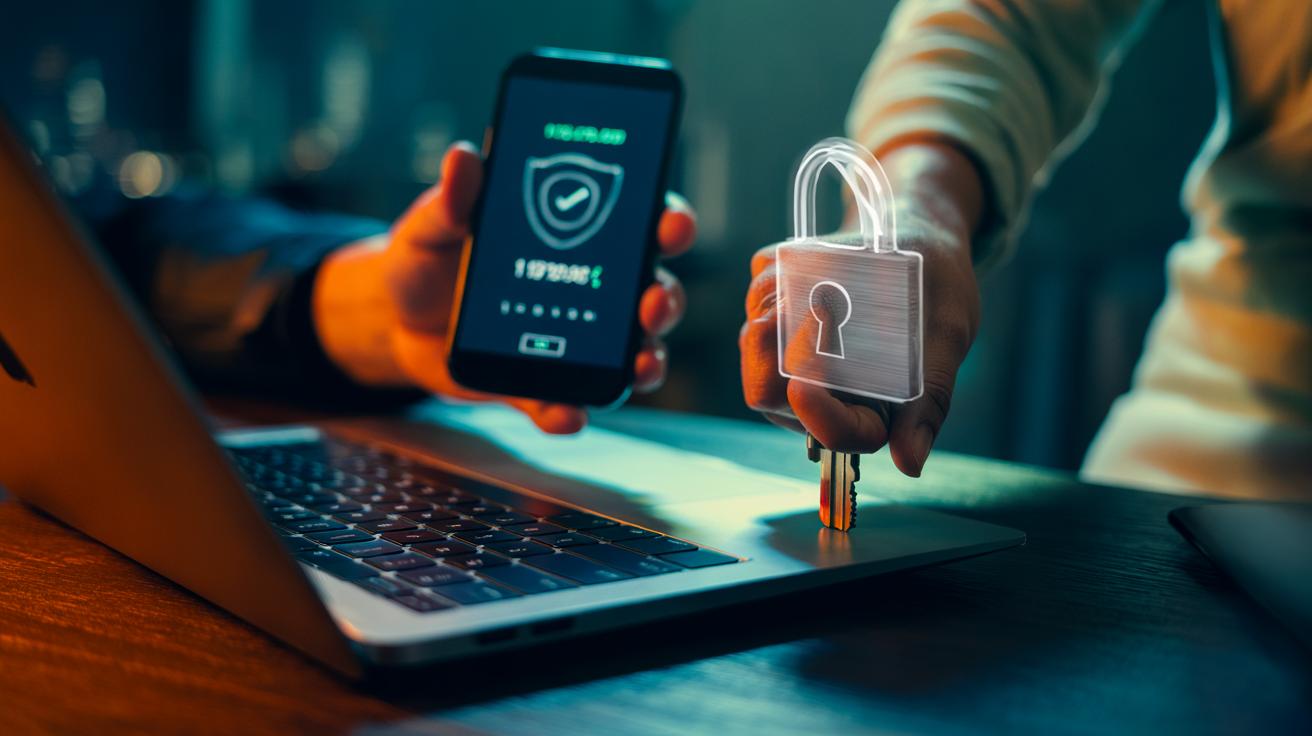
In a nutshell
- 🔐 MFA is the standout defence against account takeovers, stopping stolen-password attacks and credential stuffing by demanding a second proof of identity.
- 📧 Prioritise enabling MFA on email, banking, and key UK services (NHS App, GOV.UK, HMRC)—compromised email can reset access to everything else.
- 🗝️ Choose stronger factors: favour passkeys or FIDO2 hardware keys for phishing resistance; use authenticator apps over SMS, which is vulnerable to SIM-swap.
- 🧾 Build resilience with backup codes, at least two registered factors, and a clear recovery plan to avoid lockouts when devices are lost or replaced.
- ⏱️ Address objections: setup takes minutes and adds seconds to logins; for businesses and admins, mandate phishing‑resistant MFA and disable weak fallbacks.
Every week brings fresh headlines about data leaks, phishing texts, and hijacked accounts. UK consumers face a maze of logins spanning banking, shopping, healthcare, and tax services, and criminals only need one weak link to slip in. According to security engineers and incident responders, there is one habit that dramatically changes the odds: turn on multifactor authentication (MFA)It is the single, practical step that stops most real‑world account takeovers in their tracks. While no defence is flawless, adding a second factor beyond your password turns opportunistic scams into dead ends and forces attackers to work far harder than most are willing to.
Why Multifactor Authentication Is the Nearest Thing to ‘Bulletproof’
MFA requires two or more proofs of identity: something you know (password), something you have (phone, hardware key), or something you are (biometrics). Attackers thrive on weak, reused passwords and slick phishing pages that scoop credentials. If an adversary steals your password, MFA still blocks access because they cannot produce the second factor. This single change defeats the bulk of credential‑stuffing attacks sourced from old breaches and frustrated fraudsters who rely on speed and scale rather than bespoke hacking.
UK guidance from the NCSC encourages enabling MFA on email, social platforms, banking, and government services because these anchor your online identity. Once email is compromised, password resets cascade across everything else. Protect the mailbox, and you protect the rest. In case after case investigated by responders, victims without MFA lost control within minutes; victims with MFA typically received a login alert, denied it, and moved on unscathed.
How to Enable MFA Across the Services You Use
Start with your primary email account, then secure your cloud storage, banking apps, and any GOV.UK or HMRC logins. Choose an authenticator app (time‑based codes) or a hardware security key where available; reserve SMS codes only for recovery. App‑based codes and hardware keys resist SIM‑swap and interception, making them the smarter default. Popular services, from the NHS App to major banks and retailers, now offer straightforward MFA toggles in Security or Account settings.
When you switch MFA on, generate and securely store backup codes. Save them in your password manager or print and keep them offline. Add at least two factors—say, an authenticator app on your phone and a spare hardware key or a second device. Redundancy prevents lock‑outs if your phone is lost or replaced. Finally, review recovery options: remove outdated numbers, confirm a current email, and disable weak fallback questions that could undermine your new protections.
Passkeys, Hardware Keys, and Choosing the Right Second Factor
Not all second factors are equal. SMS is better than nothing, but susceptible to SIM‑swap and message interception. Authenticator apps generate codes on your device, raising the bar. Passkeys and FIDO2 hardware keys (such as YubiKey or SoloKey) are phishing‑resistant: they cryptographically verify the real website before signing in. Where you can, favour passkeys or hardware keys for your most sensitive accounts, including banking, password managers, and domain or cloud admin logins.
Passkeys now sync across Apple, Google, and Microsoft ecosystems, making them convenient for daily use, while standalone keys offer offline, tamper‑resistant assurance for travellers and administrators. Match the factor to the risk: raise security where failure hurts most. The simple rule is to avoid single points of failure, keep at least two ways to get back in, and document recovery steps so you are never locked out at a critical moment.
| Method | Security Level | Ease of Use | Main Risks | Best For |
|---|---|---|---|---|
| Password Only | Low | High | Phishing, reuse, brute force | Nothing—avoid |
| SMS Code | Medium | High | SIM‑swap, interception | Basic accounts, recovery only |
| Authenticator App (TOTP) | High | Medium | Phishing of code if tricked | Email, cloud, social |
| Push Approval | High | High | Push fatigue approval | Work accounts, admins |
| Passkey/Hardware Key (FIDO2) | Very High | High | Loss without backups | Banking, password manager, admin |
Common Objections and How to Fix Them
Worried MFA is inconvenient? It adds seconds, not minutes. The marginal friction of a second factor is trivial compared with the hassle of reclaiming a hijacked account. Afraid of losing your phone? Register two factors and keep printed backup codes in a safe place. Concerned for older relatives? Set up an authenticator app on their device, store recovery codes with a trusted carer, and practice a test sign‑in.
Small business or side‑hustle? Mandate MFA for email, cloud storage, accounting tools, and domain registrar access. For administrators, deploy phishing‑resistant factors—hardware keys or passkeys—and disable weak fallbacks. Travelling? Carry a spare key and ensure roaming is not your only recovery path. Any MFA is better than none, but phishing‑resistant methods are the gold standard where stakes are high. Document your recovery plan so a lost device never becomes a lost livelihood.
Turning on MFA is the closest thing to a universal upgrade for your digital life: fast to set up, easy to live with, and brutally effective against the most common attacks. Prioritise your email, banking, and government accounts, choose app‑based codes or passkeys, and keep redundant recovery options. Make this one change today and you will deflect the majority of threats aimed at UK consumers. With criminals automating at scale, the simplest countermeasure is adding a second door they cannot open. Which accounts will you secure first, and what factor will you choose?
Did you like it?4.6/5 (20)