In a nutshell
- ⚗️ Chemistry: Tarnish is silver sulphide; a galvanic cell forms with aluminium, hot water, and bicarbonate, reducing Ag2S back to silver in minutes.
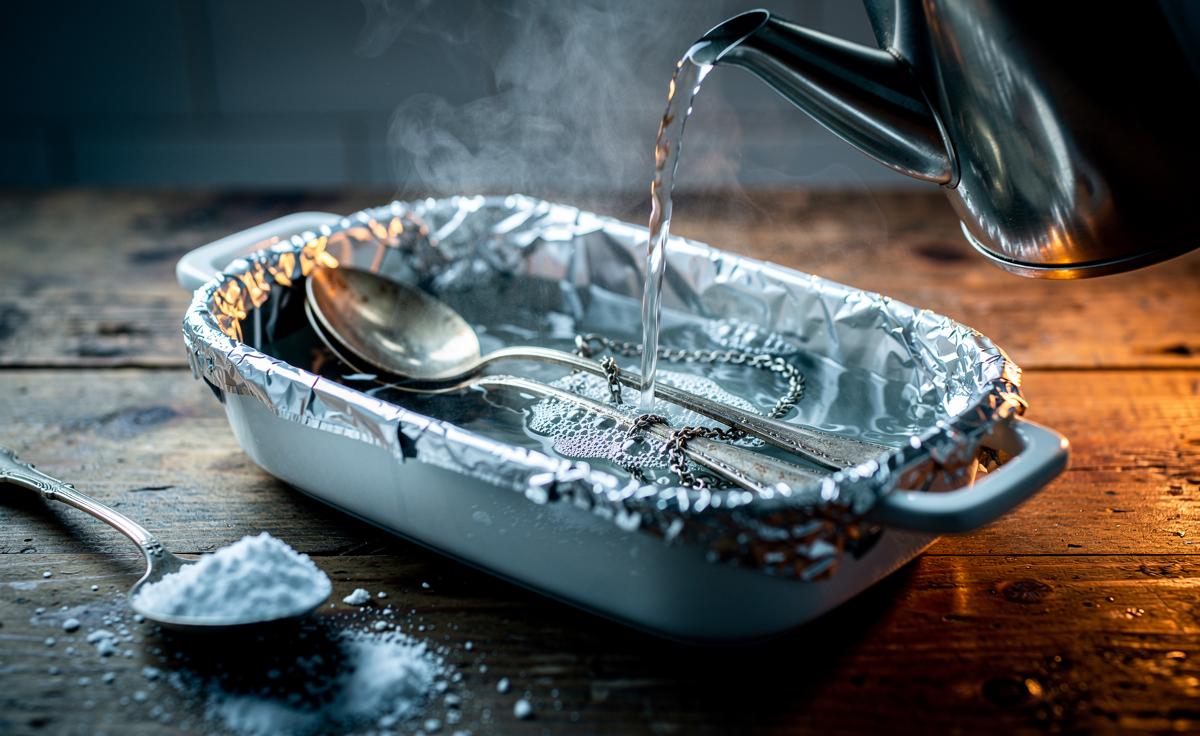
- 🧪 Step-by-step: Line a dish with aluminium foil (shiny side up), add 1 tbsp bicarbonate per litre, pour 60–80°C water, ensure contact, wait 1–5 minutes, then rinse and buff.
- 🛡️ Safety: Avoid porous stones, cracked enamel, and glued settings; be cautious with silver-plated items; choose bicarbonate over salt; dry thoroughly and store with anti-tarnish strips.
- ⚖️ Comparison: The foil bath is non-abrasive and ideal for detail; abrasive polishes add lustre but remove metal—rotate methods for heritage pieces.
- 🕒 Practical gains: Fast, cheap, and repeatable for bulk cutlery and jewellery; chemistry beats elbow grease when you need uniform, five-minute results.
There’s a brilliantly simple trick that turns dull, blackened spoons and heirloom candlesticks into mirror-bright treasures in minutes. It doesn’t require elbow grease or pricey pastes. Just aluminium foil, hot water, and bicarbonate of soda. The upgrade is that you’re not polishing at all—you’re reversing the chemistry that caused the tarnish. In under five minutes, the reaction lifts the sulphur off the silver and restores the metal’s native shine. For households with a shoebox of neglected jewellery, or hospitality venues forced to keep cutlery camera-ready, this bath method is fast, inexpensive, and repeatable. Here’s how it works, why it’s safe when done correctly, and when to avoid it.
The Chemistry Behind the Five-Minute Fix
Silver tarnish is mostly silver sulphide, a dark compound formed when silver (Ag) reacts with traces of sulphur in air, rubber, wool, or certain foods. The aluminium foil method sets up a tiny galvanic cell in your sink or bowl. With hot water and an electrolyte—ideally sodium bicarbonate or washing soda—the aluminium becomes the sacrificial metal. Electrons flow from the aluminium to the tarnished silver, reducing silver sulphide back to silver while aluminium is oxidised. The simplified reaction: 3Ag2S + 2Al → Al2S3 + 6Ag.
The key insight is radical yet safe: you’re not scrubbing the silver; you’re moving sulphur off it. Heat speeds the reaction, while the alkaline solution helps keep things gentle. That’s why a kettle’s worth of hot (not boiling) water makes such a difference. You may notice a faint eggy odour—evidence of sulphur chemistry at work. Compared with abrasive creams that literally remove microns of metal, this approach is non-abrasive, kinder to hallmarks, and excellent for detailed filigree where polish residue can lodge and dull the finish.
Step-By-Step: Lining, Mixing, and Timing
Line a heatproof glass or ceramic dish with aluminium foil, shiny side up. Place the tarnished silver so it touches the foil. Add a tablespoon of bicarbonate of soda (or washing soda) per litre of hot water—about 60–80°C is ideal. Pour the solution to fully submerge the silver. Wait. In 1–5 minutes, tarnish fades. Flip items so each surface maintains contact with the foil. If needed, sprinkle a bit more bicarbonate where tarnish is stubborn. Rinse thoroughly in warm water and buff dry with a lint-free cloth.
Do not boil delicate pieces, gemstones, or items with glue-mounted components. Heat and alkalinity can loosen adhesives or cloud some stones. If you must treat jewellery with stones, keep the stones above the water line or use a cotton swab to dab only the silver parts. For heavy tarnish, repeat the bath rather than extending time drastically.
| Item | Quantity | Purpose | Tip |
|---|---|---|---|
| Aluminium foil | Enough to line dish | Sacrificial metal | Ensure silver touches foil |
| Bicarbonate of soda | 1 tbsp per litre | Electrolyte, alkalinity | Washing soda works too |
| Hot water | To cover items | Speeds reaction | 60–80°C is sufficient |
| Lint-free cloth | One | Dry and buff | Prevents spotting |
Timing is tactile. When tarnish vanishes, you’re done. If patina is intentionally decorative, stop early to keep some depth. Finish with a gentle buff to revive that crisp, high-silver gleam and store pieces in anti-tarnish pouches to slow the next cycle.
Safety, Caveats, and What Not to Clean
Never submerge porous stones, enamel with hairline cracks, or items with unknown adhesives. Opals, pearls, turquoise, and amber can suffer in heat and alkalinity. Costume jewellery often uses glued settings; the bath can dislodge them. Be cautious with silver-plated items—sound plating is fine, but if the plating is thin or flaking, the reaction can highlight base metal exposure.
Avoid using table salt unless you know what you’re doing. While sodium chloride works as an electrolyte, it can be harsher for aluminium and, in some conditions, may encourage pitting. Bicarbonate or washing soda is gentler and widely recommended. If a piece is lacquered or deliberately oxidised to create contrast, spot-test first. Hallmarked antiques with valuable patina may be better cleaned selectively to preserve character.
Work in a ventilated area and rinse thoroughly afterwards. The chemistry is mild, but cleanliness matters. Dry completely to prevent water spots and store with anti-tarnish strips. If you encounter purple or rainbow films after cleaning, that’s often a thin-oxide interference effect—usually removed by a quick re-rinse and gentle buff with a clean microfibre cloth.
Comparing Methods: Foil Bath vs. Abrasive Polish
The foil bath is non-abrasive, fast, and cheap. It excels with textured or engraved pieces where creams snag and leave chalky residues. It’s also consistent: five minutes in the bath restores dozens of teaspoons with minimal handling. When you need speed and uniformity, chemistry beats elbow grease. But it won’t remove scratches or stubborn residues like candle wax—those require manual work.
Abrasive polishes cut and shine by removing microscopic layers of metal. They deliver a sensational final lustre and can smooth minor scuffs, but repeated use thins edges, softens hallmarks, and erodes crisp detail over years. Impregnated cloths are gentler yet still rely on abrasion. For heritage silver, it’s wise to rotate: occasional foil baths to reverse tarnish, then a sparing hand polish for a showpiece finish when necessary.
Professional ultrasonic cleaners are different again—excellent for grime but not for sulphide chemistry unless paired with specific solutions. The sweet spot for most homes is clear: use the aluminium method to reset the metal quickly, then protect it with smart storage and minimal handling. That way, your time goes into laying the table, not fighting blackened forks.
Done carefully, this five-minute reaction brings silver back to life without grinding away history. It respects hallmarks, spares engravings, and slashes the maintenance burden for busy households and small businesses. If you’ve a drawer of dulled teaspoons or a family brooch that’s lost its sparkle, a lined bowl and a spoonful of bicarbonate can be transformative. The real art lies in choosing the right method for the right piece. What’s lurking in your cutlery drawer or jewellery box that deserves a safe, science-led revival this weekend?
Did you like it?4.5/5 (30)