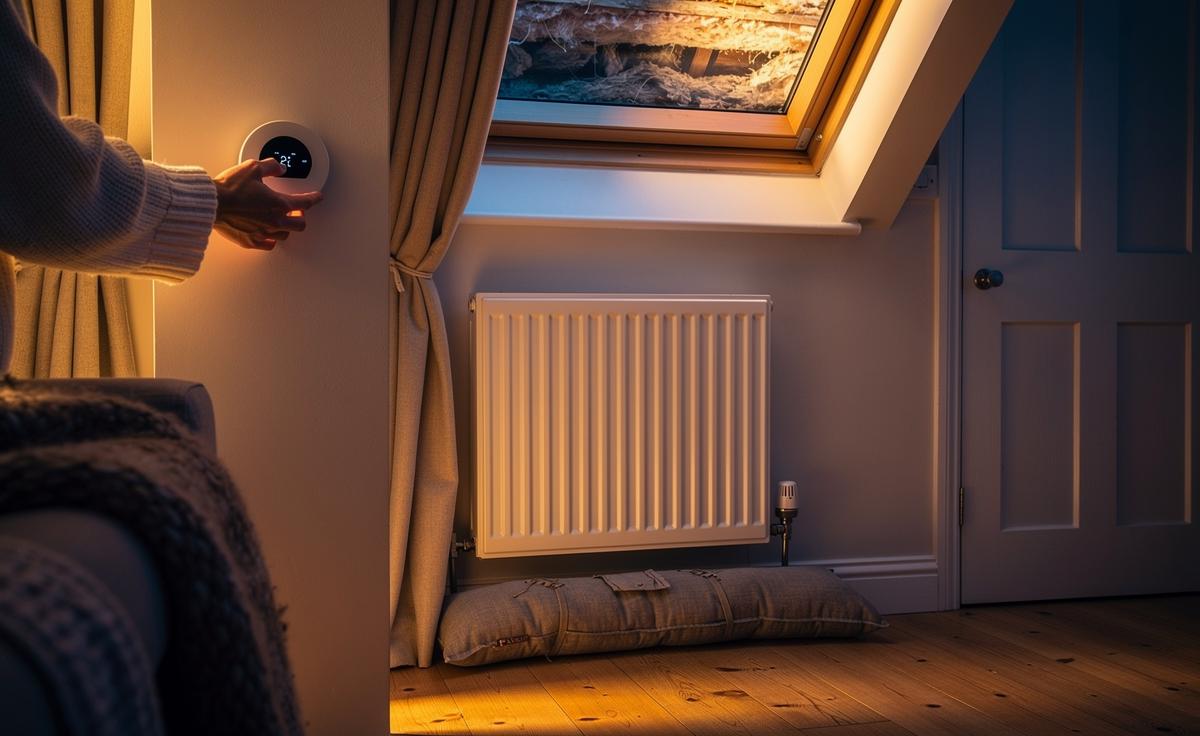
In a nutshell
- 🧱 Prioritise the fabric: top up loft insulation, add cavity-wall insulation, and tighten draught‑proofing to stop heat escaping—cheapest energy is the energy you don’t buy.
- 🎛️ Use smart controls: lower the thermostat by 1°C, zone rooms with TRVs, and drop boiler flow temperature to 55–60°C for better condensing efficiency; bleed and balance radiators for even heat.
- 💡 Adopt low-cost habits: shut doors, clear radiators, time curtains, fit a hot‑water cylinder jacket, manage moisture, and use radiator reflectors or chimney balloons to boost comfort for pennies.
- ⚙️ Time bigger upgrades: replace elderly boilers strategically, consider heat pumps after fabric fixes, and tap the UK’s Boiler Upgrade Scheme; always get heat‑loss calculations and multiple quotes.
- 📊 Think in layers: blend quick wins with long‑term measures to achieve steadier temperatures, higher comfort, and lower bills with realistic payback and clear, numbers‑led decisions.
With energy prices still volatile and winter settling in, households across the UK are asking the same question: what really cuts heating bills without compromising comfort? The most effective strategy is not a single gadget or hack, but a layered approach that tackles wasted heat first, then optimises how and when you warm your rooms. Done right, it feels effortless. The house stays cosier, the boiler works less, and the meter slows. Start with the building fabric, then let smart controls and sensible habits lock in the gains. Here’s how to prioritise changes that deliver noticeable savings this season and keep paying back for years.
Fix the Fabric First: Insulation and Draught-Proofing
Insulation is the quiet workhorse of winter savings. Heat escapes upward and outward; stop that flow, and your boiler stops overworking. For many homes, topping up loft insulation to 270 mm is the simplest win, often achievable in an afternoon. Cavity-wall insulation for suitable properties plugs invisible gaps, while suspended floors benefit from underfloor insulation panels or mineral wool between joists. The cheapest unit of energy is the one you never need to buy. That’s why fabric upgrades typically return value every hour of every cold day.
Draughts are small; their impact is large. Fit draught‑excluder strips around external doors, letterbox brushes, and chimney balloons in unused fireplaces. Seal gaps around skirting boards and floorboards with flexible filler. Hang thermal curtains and close them at dusk to trap warmth. For bay windows or north-facing rooms, consider secondary glazing film—modest cost, decent comfort boost.
Typical savings vary with property type and energy tariffs, but a semi‑detached home that improves loft and cavity walls can trim annual heating use by a meaningful chunk. Payback often lands within two to five winters. And it’s not just about pounds. Rooms feel less “cold to the bone,” surfaces are warmer, and condensation recedes. Comfort rises as costs fall—the hallmark of a truly effective measure.
Smarter Heating Controls Beat Constant High Heat
Set‑and‑forget doesn’t mean set it high. The most reliable rule: low and targeted beats hot and wasteful. Lowering your thermostat by just 1°C can trim heating demand notably across a season. In practice, aim for 18–19°C for living spaces when occupied, cooler in hallways and bedrooms. Time schedules matter, but zoning matters more. Use TRVs (thermostatic radiator valves) to reduce heat in rooms you barely use.
Smart thermostats and smart TRVs add precision. They learn occupancy patterns, adjust with the weather, and avoid blasting heat into an empty house. Pair them with a realistic timetable: warm up just before you rise; cut back when you leave; pre‑heat before you return. Don’t ignore the boiler itself. For modern condensing boilers, reducing the flow temperature for radiators to around 55–60°C helps the boiler condense more often, improving efficiency. Many homes run hotter than necessary out of habit, not need.
Use features such as load or weather compensation if available. Bleed radiators so they warm evenly, and balance the system to stop one room overheating while another shivers. Small changes compound across winter. Control is a savings tool, not a chore. Done well, you’ll notice steadier warmth and fewer abrupt burner cycles.
Low-Cost Habits With High Impact
Habits cost pennies; some save pounds. Shut doors to keep heat where you are. Roll a draught snake against the lounge door. Move bulky furniture a hand’s width from radiators to let heat circulate. Open curtains on sunny winter days; close them at dusk for instant insulation. In kitchens and bathrooms, use extractor fans smartly: vent moist air after showers and cooking to reduce condensation without needlessly dumping warm air all day.
Fit a hot‑water cylinder jacket (80 mm) if you have a tank; it’s a fast win. Shorten showers by a couple of minutes. Wash clothes at 30°C. Drying laundry indoors raises humidity and cooling loads—ventilate or use a dehumidifier on a timer. Tiny actions, repeated daily, shift your whole heat balance.
Radiator reflectors behind units on external walls reduce losses. A chimney balloon in an unused fireplace blocks a surprising draught. Night‑time set‑back, not switch‑off, can work in well‑insulated homes; in leakier homes, heat rooms only when needed. The trick is to tune routines to your building. Listen to it: where does it lose warmth first, and when?
When to Consider Upgrades: Boilers, Heat Pumps, and Grants
Upgrades are big decisions. Time them well. If your boiler is elderly, replacement can cut fuel use significantly, but only after you’ve sorted insulation and draughts. For many properties, an air‑source heat pump becomes attractive once the building fabric is improved and radiators sized appropriately. The UK’s Boiler Upgrade Scheme offers grants in England and Wales, which can transform the economics.
Think in terms of whole‑home outcomes: lower flow temperatures, quieter comfort, and predictable bills. Solar PV won’t heat your radiators directly, but it can offset electricity used by a heat pump or a dehumidifier, and it supports daytime efficiency strategies. Always get multiple quotes, check installer credentials, and ask for heat‑loss calculations. Numbers beat guesswork every time.
| Upgrade | Typical Upfront Cost | Typical Annual Saving | Indicative Payback | Key Notes |
|---|---|---|---|---|
| Loft insulation (top‑up) | £300–£800 | £100–£250 | 1–4 years | Quick install; big comfort gain |
| Cavity wall insulation | £800–£1,800 | £150–£300 | 3–6 years | Check suitability and guarantees |
| Smart thermostat + TRVs | £150–£500 | £80–£200 | 1–3 years | Best with zoning and schedules |
| Air‑source heat pump | £3,000–£8,000 after grant | Varies by tariff/home | 5–12 years | Works best with good insulation |
Crucially, line these choices up with your home’s age, layout, and EPC findings. Grants and council schemes shift often, so check current terms before signing. Blend quick wins (fabric and controls) with long‑term upgrades for a resilient, future‑proofed home.
Winter needn’t be a budgeting siege. Prioritise the fabric, dial in smarter controls, then refine daily habits that lock in warmth. Add measured upgrades when timing and support align. The reward is quieter rooms, steadier temperatures, and a bill that stops biting. Effective heating is about shaping demand, not just chasing tariffs. What mix of fixes—insulation, controls, habits, or a bigger upgrade—fits your home’s quirks and your household’s rhythm this winter?
Did you like it?4.6/5 (27)