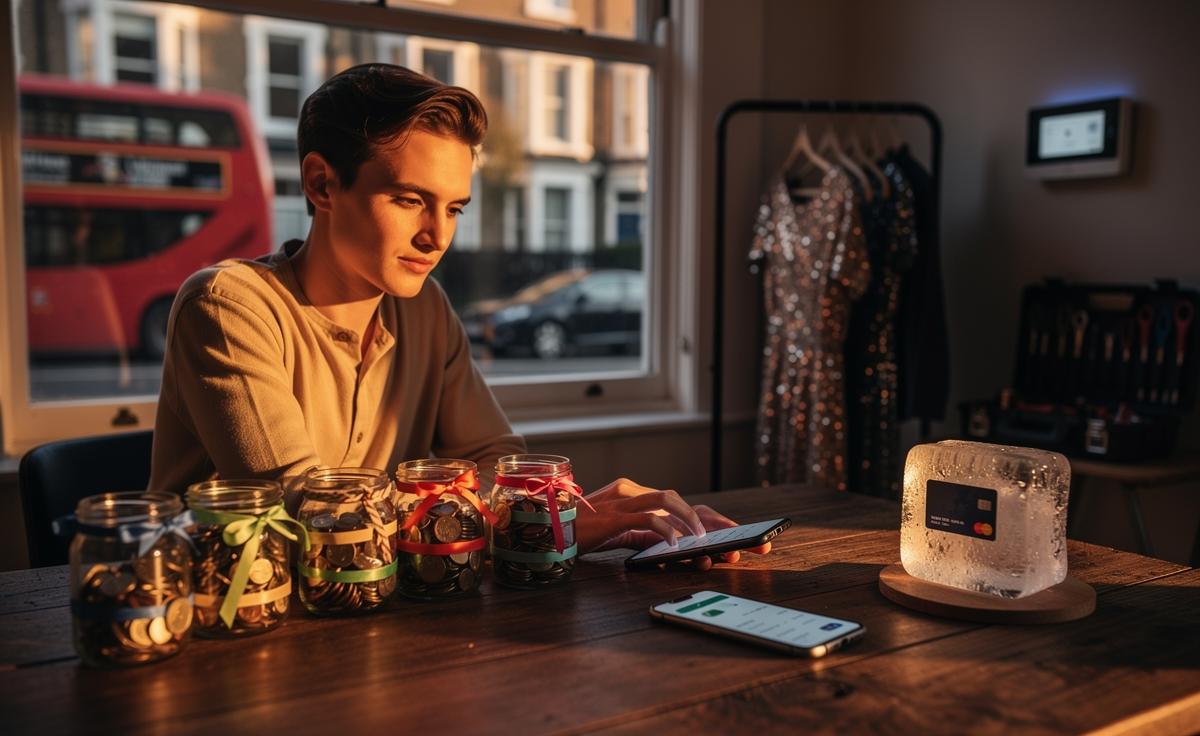
In a nutshell
- 🔁 Pay goals first with reverse budgeting and weekly sinking funds, add a subscription amnesty and 24‑hour cart rule to build effective digital friction that curbs impulse buys.
- 🧰 Monetise underused assets—driveway, wardrobe, storage, tools—and check the UK’s Rent a Room rules; ring‑fence earnings in a named savings pot to boost consistency and motivation.
- 🧠 Engineer your environment: delete saved cards, cap contactless, batch cook, use the price‑per‑hour test, and form a two‑person savings pact for accountability and momentum.
- 🇬🇧 Optimise UK perks with bank switching bonuses, regular savers, open‑banking auto‑sweeps, and tax‑efficient shelters like ISAs, Lifetime ISA, and salary sacrifice.
- ☎️ Diarise quarterly bill battles—broadband, mobile, insurance, energy—use competitor quotes, remove add‑ons, and consider smart tariffs; small trims compound into meaningful monthly savings.
The usual advice has worn thin. In 2026, with household budgets still tight and habits shaped by years of price shocks, saving more requires a different lens: design, psychology, and micro‑systems that work when motivation fades. Think of it as financial ergonomics. Small levers, big outcomes. We’re not binning budgets, but reframing them around time, space, and automation so you spend less effort and see faster wins. This is about making your default behaviour cheaper, quietly, every day. Change the system and you change the spend. Here are unconventional, UK‑focused strategies to help you bank more of your pay without living joylessly on beans.
Rethink Budgeting With Time and Space
Start by calendaring your cash. Rather than listing expenses and hoping for restraint, flip it. Reverse budgeting means paying your goals first. On payday, set standing orders that sweep money into separate sinking funds: rent buffer, travel, car costs, gifts. Automate first, deliberate later. The leftover becomes your guilt‑free spend. Turn your diary into a money map: align direct debits to the day after you’re paid, and shift irregular bills to predictable dates. Visual order reduces fees, panic, and the costly “oops” shop.
Next, shrink big annual hits. Translate the MOT, insurance, or Christmas into weekly micro‑pots inside your banking app. £10 here, £8 there. It’s dull, yes. It’s also the difference between a 0% purchase card you control and a 29.9% emergency swipe you don’t. Add a monthly subscription amnesty: one evening to cancel or downgrade at least one recurring cost. Try no‑spend sprints mid‑month, with a clear start, finish, and a small reward funded by the savings itself.
Finally, create digital speed bumps. Remove saved cards from browsers, turn off one‑click ordering, and institute a 24‑hour cart rule. If it still matters tomorrow, fine. Better: save items to a wish list, set a price alert, and only buy when it drops under a pre‑agreed threshold. Friction is free, and it works.
Turn Everyday Assets Into Cash Flow
You likely own underused assets that can earn without a second job. A spare parking bay near a station? List it. A hallway cupboard you barely use? Rent it as storage. Occasional formalwear? Hire it out via wardrobe apps. Even your toolkit can circulate for a fee within a trusted radius. Small assets can compound into big savings. Crucially, keep it compliant: check lease rules, insurance, and local bylaws. If you let a furnished room, note that the UK’s Rent a Room scheme (as it stands) allows tax‑free income up to a threshold; verify the current limit for 2026 before you proceed.
| Asset | Route | Typical Monthly Take | Difficulty |
|---|---|---|---|
| Driveway/parking space | JustPark or local boards | £40–£150 | Low |
| Wardrobe items | By Rotation, peer lending | £20–£100 | Medium |
| Storage nook/loft | Stashbee or community groups | £30–£120 | Low |
| Tools/appliances | Neighbour rentals or library of things | £10–£60 | Medium |
Set clear terms and deposits. Photograph items, agree pickup times, and ring‑fence earnings in a named savings pot labelled with your goal, such as “2026 emergency fund”. That framing matters. You’ll resist raiding it if the purpose is visible. And remember: consistency wins. One listing may pay a broadband bill; a bundle pays a holiday. Your home can host a quiet side hustle.
Engineer Your Environment to Spend Less
Willpower is unreliable. Design trumps desire. Delete stored cards from shopping apps and disable in‑app purchases. Freeze your credit card between paydays using your bank app. Set a daily contactless cap if your bank allows it. Create a “cool‑off” folder on your phone’s home screen: put retailers in there, hide notifications, and move budgeting apps to the front row. Make the cheap choice the easy choice.
Shift your defaults. Batch cook once, eat thrice. Get a slow cooker and a flask; lunches become automatic, not aspirational. Carry a water bottle and a small snack—two purchases dodged per day, quietly. When tempted by a want, use the price‑per‑hour test: divide the cost by your after‑tax hourly pay. Is that jumper worth four hours of your life? Sometimes yes. Often not. Pair pleasures with thrift: stream your favourite show only while doing admin like price‑comparing insurance, so the task gets done.
Recruit social pressure for good. Form a two‑person savings pact. Each Friday, message the week’s total moved to savings, plus one win (a renegotiated bill, a cancelled duplicate subscription). Loser buys the coffee next week—at home. This micro‑accountability flips saving from solitary to social, which sticks. And it’s fun. Public goals beat private intentions.
Optimise UK Perks, Tax Breaks, and Banking Automation
There’s free money on the table if you’re organised. Bank switching bonuses can be substantial; stack one or two in a year and funnel them straight into your emergency fund. Use regular savers and round‑up features that auto‑sweep pennies into interest‑bearing pots. With open banking, build rules: when your balance exceeds a threshold on payday, siphon the excess to a separate account so it’s out of sight. Label pots plainly: “MOT”, “Dental”, “Christmas”. Clarity curbs raids.
Maximise tax‑efficient shelters. Use your ISA allowance for medium‑term goals; shield interest and potential gains, and check the current annual limit in 2026 before funding. If eligible, consider a Lifetime ISA for first‑home savings, mindful of withdrawal rules. Explore salary sacrifice for pension contributions where available; reducing your gross pay can lower Income Tax and National Insurance. If your employer offers childcare schemes, season ticket loans, or cycle‑to‑work, run the numbers. Legally paying less tax is a saving, not a compromise.
Finally, diarise bill battles. Four dates a year: broadband, mobile, insurance, energy. Prepare a script, gather competitor quotes, and call. Be polite, be firm, be ready to leave. Ask for retention deals, remove paid add‑ons, and adjust packages to actual usage. Consider smart tariffs if they match your routine, and submit regular meter readings for accurate bills. Small trims accumulate. A few minutes per quarter can free £10–£30 a month without feeling a thing.
Saving more in 2026 isn’t about masochism. It’s about systems that lighten your cognitive load, monetise neglected assets, and make wise choices the default. The beauty is cumulative: a renegotiated bill here, a rented driveway there, and automated micro‑pots everywhere. It feels almost too easy when it clicks. Design beats discipline, every time. Which two unconventional tactics will you trial first this month, and how will you turn their wins into habits you can keep scaling through the year?
Did you like it?4.5/5 (26)