In a nutshell
- 🌿 The biophilia hypothesis explains why natural patterns soothe us, lowering cortisol and aiding focus via Attention Restoration Theory.
- 🪴 Indoor plants offer real gains: short viewing and hands-on care reduce stress; aromas and microbes like Mycobacterium vaccae may influence mood pathways.
- 🩺 UK green social prescribing pairs walks and community gardens with care plans, boosting structure, social contact, and wellbeing; highlights equity of green space as a health issue.
- 🏙️ Urban-friendly strategies: seek micro-doses in pocket parks and tree-lined streets, bring nature indoors in winter, and prioritise consistency over intensity.
- 🌱 Practical setup: start with resilient snake plant, pothos, or ZZ plant; use a simple watering routine, choose non-toxic options, and position greenery where attention naturally lands.
In an age of constant alerts and fluorescent light, the quiet presence of a plant can feel almost radical. Emerging research suggests that everyday greenery does more than decorate; it stabilises mood, sharpens focus, and supports recovery from mental strain. Scientists point to the way the human nervous system responds to natural patterns and scents, while clinicians now explore “green prescriptions” alongside talking therapies. What’s surprising is how modest doses of nature can shift our stress response within minutes. From a spider plant on the sill to a lunchtime stroll among trees, the effects stack up. The message is practical and hopeful: bring nature closer, and the mind often follows.
Why Greenery Calms the Brain
Why do leaves, moss, and branches soothe? The answer sits at the junction of evolution and neurobiology. The biophilia hypothesis argues that humans are predisposed to respond positively to living systems. In practice, this looks like lowered vigilance when our eyes settle on fractal, non-threatening patterns found in foliage and bark. Lab and field studies repeatedly report reductions in cortisol, steadier heart rates, and improved affect when participants view, or sit within, green spaces. Even passive exposure—like a hospital window facing trees—has been linked to faster recovery and less analgesic use.
Cognition benefits, too. Attention Restoration Theory suggests that “soft fascination” from natural scenes replenishes our finite focus. The brain’s executive networks get a rest; mind-wandering becomes gentle rather than ruminative. After short nature breaks, people tend to perform better on tasks requiring working memory and inhibition. Crucially, the threshold is low. Ten to twenty minutes of greenery—real or even well-designed images—can make a measurable difference.
Not all green is equal. Settings that combine plants with prospect (a sense of open view) and refuge (nooks, shade, alcoves) appear especially calming. Soundscapes matter as well: rustling leaves and birdsong dampen urban noise, which otherwise fuels stress reactivity. The takeaway is broad yet actionable: curate natural cues that softly engage the senses, and the nervous system recalibrates.
Indoor Plants: Small Changes, Real Gains
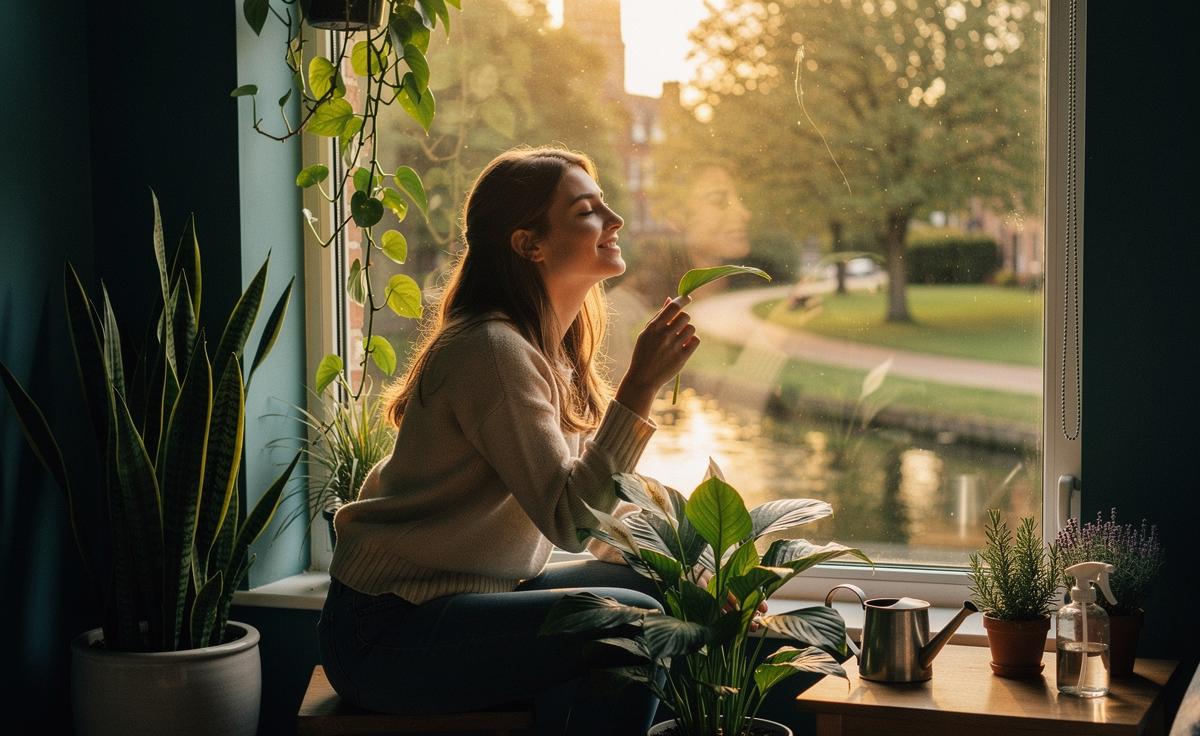
Houseplants compress the benefits of nature into the square footage we actually inhabit. Trials in offices, classrooms, and clinics have documented modest but meaningful shifts: lower perceived stress, less fatigue, and slight boosts in concentration when living plants are present. The most potent effect often comes not from looking at a plant, but from caring for it—watering, pruning, noticing growth, building a tiny ritual that anchors the day. These micro-interactions create predictable, sensory cues that tell a jittery brain it is safe and in control.
There’s also a biological layer. Soil contains benign microbes; some research has explored how contact with organisms such as Mycobacterium vaccae may influence mood pathways via the immune system. Scent, meanwhile, matters: herbs like rosemary and mint offer alerting aromas, while jasmine and lavender skew calming for many people. Scale is flexible. A single cascading pothos on a bookshelf will still soften edges and draw the eye to verdant colour and organic shape.
| Exposure | Typical Dose | Reported Benefit | Evidence Snapshot |
|---|---|---|---|
| Viewing indoor plants | 10–20 minutes | Lower stress, better mood | Lab and field studies |
| Hands-on plant care | 5–10 minutes, 3x weekly | Calmer affect, routine | Small trials, qualitative reports |
| Herbal scents (e.g., lavender) | Intermittent exposure | Relaxation, sleep support | Aromatherapy literature |
Be mindful of allergies, pets, and mould. Choose breathable soils, avoid overwatering, and prioritise non-toxic species. The point is not to build a jungle overnight; it’s to create steady, low-effort encounters with living things that pull attention outward and dial down threat detection.
Nature Prescriptions and Urban Reality
Clinicians across the UK are increasingly turning to green social prescribing, referring patients to guided walks, community gardens, and conservation groups. For those wrestling with anxiety, loneliness, or low mood, these programmes offer structure, social contact, and gentle activity in one. Crucially, nature prescriptions are not a silver bullet, but they can amplify the gains of therapy and medication by embedding recovery in daily life. The outdoors becomes a co-therapist: reliable, free, and stigma-light.
Urban living complicates access, yet it needn’t cancel the benefits. Pocket parks, canal paths, churchyards, and even tree-lined streets provide restorative cues if we deliberately seek them. Employers can help by greening break areas and scheduling “walking one-to-ones.” Schools can weave in garden tasks. Local councils, when planning, can prioritise shade trees, benches, and safe routes, recognising that equity of green space is a public health issue as much as an aesthetic one.
Seasonality matters. Winter invites shorter, brighter micro-doses: a sunlit window with plants, a brisk loop under bare branches, an herb trough on the kitchen sill. The objective is consistency, not grandeur. What counts is the rhythmic, repeated contact that teaches our stress system a new baseline. When access is tough, bring the outside in; when time is scarce, make it tiny and daily.
Choosing and Caring for Mood-Boosting Plants
Start with forgiving species that thrive in UK homes. Low-light champions include snake plant (Sansevieria), pothos (Epipremnum), and ZZ plant (Zamioculcas), all tolerant of irregular watering. For a brighter window, try spider plant or peace lily for that lush, humid vibe. Herbs pull double duty: rosemary for alertness, mint for a fresh lift, basil for summer scent. Matching plant to place is half the battle; the other half is matching care to your routine.
Build a simple schedule. Check soil on the same two days each week, water only when the top inch is dry, rotate pots monthly to even out growth. Group plants to stabilise humidity and make maintenance one trip. Prioritise non-toxic options if you live with pets, and use well-draining compost to guard against mould. If a plant fails, treat it as feedback, not failure: adjust light, pot size, or species choice.
Go tactile and sensory. Choose plants with varied leaves—glossy, fuzzy, architectural—to invite mindful touch. Add a scented pelargonium near your desk. Place greenery where your gaze naturally lands: the kettle corner, bedside table, or the entryway you pass ten times a day. This is not décor; it’s a designed intervention for attention and mood that pays back in small, daily increments.
The evidence is compelling and humane: plants help many of us think more clearly, feel less frazzled, and reconnect with rhythms beyond the screen. You don’t need a forest or a free afternoon to benefit; just a pot, some light, and the habit of noticing growth. Turn nature from a weekend destination into a weekday companion. The gains are cumulative, the risks low, the cost modest. If a single fern can nudge your day in a better direction, what might a windowsill, a lunch walk, or a shared garden do for your week—and who might you invite to try it with you?
Did you like it?4.4/5 (20)