In a nutshell
- ⚡ Charging speeds jump with ultra-rapid hubs, wide 800V support, and seamless Plug & Charge; at home, smart tariffs make overnight top-ups cheap and easy.
- 🔋 Real-world range improves (≈220–280 motorway, 300+ city) as LFP gains in value cars and NMC leads premium efficiency; solid-state appears in pilots, but efficiency beats sheer battery size.
- 💷 Prices tighten below £30k, company drivers benefit from low Benefit-in-Kind; despite VED and public-charging VAT, a booming used market with battery health certificates boosts affordability.
- 🧠 Smarter ownership via OTA updates under UN R155/R156 and polished Level 2+ driver assistance; clearer subscriptions and better infotainment reduce day-to-day friction.
- 🔄 Energy services mature: V2G/V2H (ISO 15118-20) cuts bills and adds resilience; expanding workplace/kerbside charging and light servicing improve TCO for many drivers.
The electric car story isn’t slowing in 2026; it’s changing gear. UK drivers will meet a very different market: faster charging, smarter software, and a richer second-hand scene that lowers the entry price. Policy pressure remains strong, but choice will define the year, not compulsion. Expect compact crossovers under new badges, familiar marques refreshed with longer range, and quieter progress on the boring bits that matter: reliability, insurance, and servicing. The upshot is simple: the experience will feel less experimental and more everyday. For motorists weighing an upgrade, the question won’t be “is an EV right for me?” so much as “which one fits my life best?”
Charging Will Feel Faster and Smarter
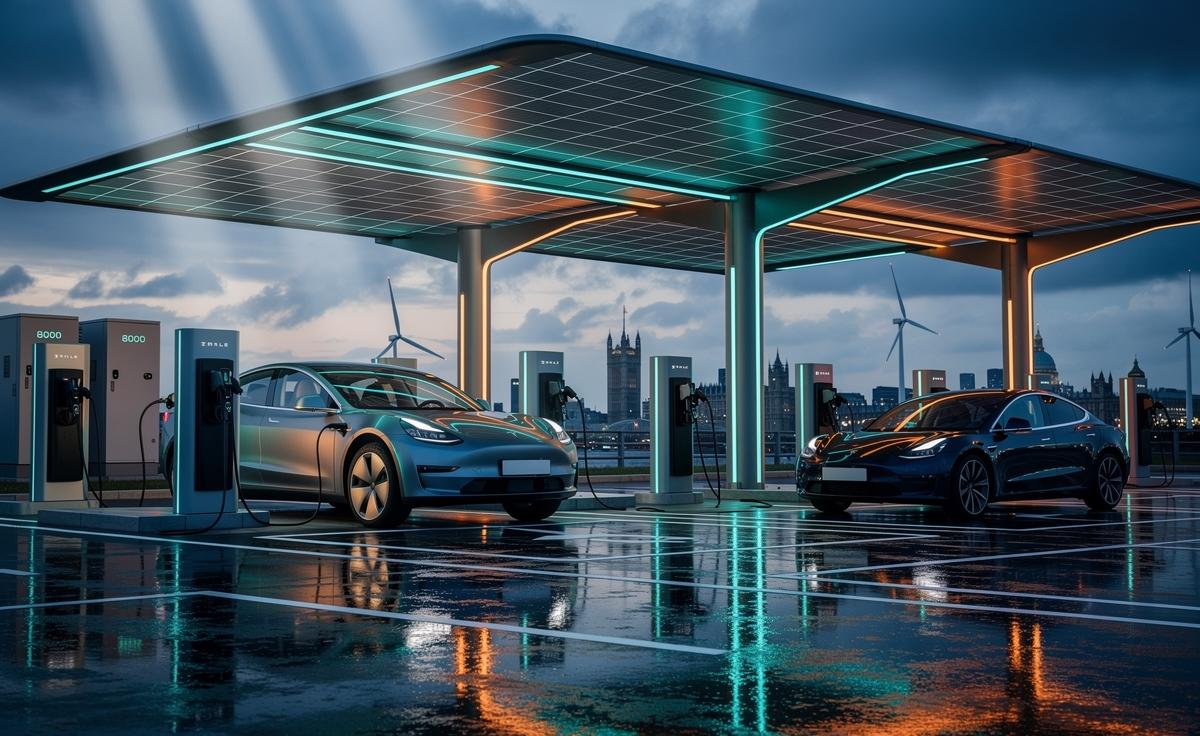
By 2026, Britain’s public network should be denser, clearer to use, and kinder to tight schedules. New ultra-rapid hubs clustering six to twelve bays will become the default on trunk routes, many running 800V architectures that let compatible cars jump from 10% to 80% in roughly 18–25 minutes. Waiting 40 minutes will feel outdated except on legacy hardware or in extreme cold. Contactless payment and roaming will be standard across major providers, with Plug & Charge (ISO 15118) quietly removing app-faff for a growing set of models. Reliability is improving too: operators now publish uptime and queue data, surfaced in-car via live maps.
At home, smart tariffs make overnight top-ups remarkably cheap, especially when paired with solar and a small battery. A typical commuter can add a week’s miles while they sleep for the price of a sandwich. Workplace charging expands the safety net for those without driveways, and local councils are rolling out more lamppost and kerbside solutions. Drivers will also see better power sharing at sites, cutting idle time while balancing grid load. The rule of thumb: get the right car–charger match, and charging becomes a background task.
Batteries, Range, and Real-World Efficiency
Range anxiety continues to fade as chemistry and thermal management advance. Many family EVs in 2026 will offer a real 220–280 miles on the motorway and 300+ around town, aided by heat pumps and smarter pre-conditioning. LFP batteries are taking share in value models, trading headline range for longevity and cost stability, while improved NMC packs with silicon-heavy anodes push premium ranges further. Solid-state? Pilot runs may appear in niche variants, but mass adoption remains later in the decade. The bigger story is efficiency: slick aerodynamics, low-rolling-resistance tyres, and adaptive eco modes that learn your routes. What matters is not the biggest battery, but the most efficient mile.
| Battery Tech | Typical WLTP Range (2026) | Peak Charge Rate | Cost Trend | Notes |
|---|---|---|---|---|
| LFP | 230–320 miles | 120–170 kW | Stable to falling | Durable, less affected by frequent fast charging |
| NMC/NCA | 300–420 miles | 180–320 kW | Falling with scale | Higher energy density, faster on 800V systems |
| Solid-state (pilot) | 350–450 miles | 200–350 kW* | High, early stage | Limited availability; figures subject to early iteration |
Expect more transparent battery health certificates on used cars, with state-of-health percentages and fast-charge history reported at sale. That gives buyers confidence and supports fairer pricing. WLTP remains the yardstick, but 2026 cars will do a better job of aligning estimates with reality via learned consumption and weather-aware route planning. In short, the spec sheet matters less than how the car manages energy on your roads.
Prices, Incentives, and the Growing Used Market
Price competition intensifies. New mass-market EVs will increasingly open below £30,000, while company-car drivers keep enjoying low Benefit-in-Kind rates that make EV salary sacrifice schemes compelling. Some costs do rise elsewhere: Vehicle Excise Duty now applies to EVs, and public charging still carries higher VAT than home electricity unless Westminster levels the field. The balance remains favourable for many high-mileage drivers, but the biggest shift is volume in the second-hand lane. For many households, the second-hand EV becomes the sensible default.
Lease returns from 2021–2023 will flood forecourts with well-known models at approachable monthly payments. Expect clearer warranty terms on batteries (often eight years) and broader coverage for drive units. Insurers are learning fast: clearer repair protocols, better parts pricing, and wider networks should help premiums settle. Urban drivers also bank on ULEZ compliance and cheaper parking in some councils. Do watch trade policies: tariffs on imports could nudge prices, though local assembly and part localisation blunt the shock. The smart money compares total cost of ownership, not just the sticker.
Software, Safety, and Ownership Experience
Cars in 2026 act more like connected devices. Over-the-air updates bring fresh features, efficiency tweaks, and bug fixes overnight, with most brands standardising on the UNECE cybersecurity and software update rules (UN R155/R156). Advanced driver assistance sits at polished Level 2+: confident lane centring, adaptive cruise that respects UK motorway etiquette, and urban features that identify bikes and pedestrians earlier. Hands-on, eyes-up driving remains the law, but the cockpit is calmer and safer. Expect subscription options for premium nav, heated features, or driver-assist packs, though backlash means clearer pricing and trial windows.
Energy services arrive in earnest. Vehicle-to-Grid (V2G) and Vehicle-to-Home (V2H) capabilities using ISO 15118-20 will let compatible models sell power back at peak rates or keep the lights on during outages. Home chargers gain richer scheduling and tariff integration; fleets use charge orchestration to shave thousands from bills. Servicing remains light—tyres, brake fluid, cabin filters—thanks to fewer moving parts and regenerative braking. And yes, infotainment improves: better voice assistants, CarPlay/Android integration, and fewer laggy screens. The ownership rhythm shifts from filling up to plugging in and checking an app.
By 2026, the EV proposition is less about novelty and more about fit. Charging is quicker and simpler, ranges are honest, and the market offers both keenly priced new models and abundant used bargains with transparent battery health. For many drivers, the maths and the manners finally align: lower running costs, smoother commutes, quieter streets. The transition won’t be identical for everyone, but the friction points are shrinking fast. Standing at the kerb, keys in hand, what will decide your next move—price, range, charging convenience, or the simple pleasure of a calmer drive?
Did you like it?4.7/5 (23)