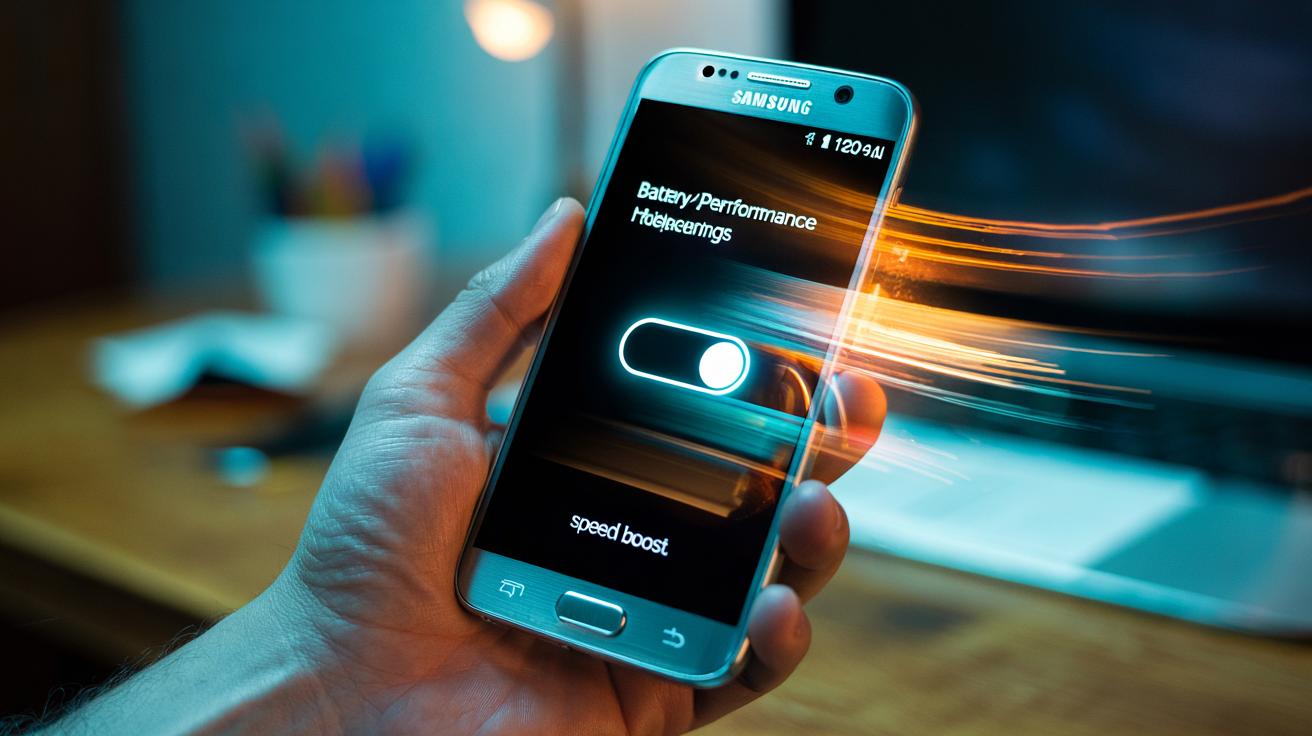
In a nutshell
- 🔍 The hidden Samsung toggle—Performance profile (One UI 6) or Processing speed (One UI 4/5)—unlocks higher CPU limits, making older Galaxy phones feel snappier without new hardware.
- 🧭 Where to find it: One UI 6 → Settings > Battery > Performance profile (set to Standard); One UI 4/5 → Settings > Battery and device care > Battery > More battery settings > Processing speed (choose High or Maximum).
- 🎛️ Extra zip: Trim animations via Developer options (set all animation scales to 0.5x) or use Reduce animations; right-size RAM Plus—disable/downsized for 8GB+ devices, keep 2–4GB on 4–6GB phones.
- 🔋 Trade-offs and care: Expect a slight hit to battery and a bit more warmth under load, but it stays within factory limits; prioritise battery health, remove bloat, and keep 10–15% free storage for consistent responsiveness.
- ⚡ Real-world result: Quicker app launches, smoother scrolling, and steadier multitasking—immediate uplift you can toggle off anytime for trips or long days away from a charger.
Old Galaxy phones rarely fail because of a single ageing component; they feel sluggish due to conservative software defaults. Buried inside Samsung’s menus is a switch that unlocks fresh responsiveness without buying new hardware. Flip it and apps launch faster, scrolling smooths out, and stutters fade. The “hidden” trick? Samsung’s performance control, paired with a few smart tweaks to animations and memory. This is the kind of practical, reversible change that can make a three-year-old handset feel unexpectedly new again. Here’s how the setting works, where to find it across One UI versions, and how to fine‑tune it alongside RAM Plus and Developer options so your trusty Galaxy earns a second wind.
What Is Samsung’s Processing Speed Toggle?
Samsung builds a performance governor into One UI that balances heat, battery life and speed. On recent models it appears as Performance profile (Light/Standard). On older builds it’s labelled Processing speed (Optimised/High/Maximum). Switch to the faster profile and the phone raises CPU limits, reduces background restrictions and allows sustained bursts, which translates into snappier app launches and fewer hiccups while multitasking. The result is often immediate: your Galaxy stops feeling lethargic and starts behaving like it did on day one.
It’s not overclocking and it won’t fix failing batteries, but the gain is real because Samsung ships many phones in conservative modes to prolong endurance. Paired with minor animation and memory adjustments, the toggle can deliver the most noticeable uplift per tap. For many mid‑range and older flagships, this is the missing ingredient that bridges the gap between “usable” and “pleasant”, especially if you’ve accumulated updates and apps over the years.
How to Activate the Hidden Performance Boost
Open Settings, then head to your battery pane. On One UI 6, tap Battery and look for Performance profile—set it to Standard for full speed. On earlier builds, go to Battery and device care > Battery > More battery settings and choose Processing speed, then select High or Maximum. This single change often cuts the “app waiting” sensation and makes scrolling feel taut. If you don’t see the option, ensure your phone is up to date, or search “performance” inside Settings.
Give it a day to judge impact: use your usual apps and keep an eye on temperature and battery. Most users report a modest power hit with a clear speed uplift. If you game, the difference is stronger; if you mainly message and browse, it’s a subtle but persistent polish. You can always revert before a long trip to eke out battery.
| One UI Version | Menu Path | Setting Name | Recommended Option |
|---|---|---|---|
| One UI 6+ | Settings > Battery | Performance profile | Standard |
| One UI 5 | Settings > Battery and device care > Battery > More battery settings | Processing speed | High or Maximum |
| One UI 4 | Settings > Battery and device care > Battery > More battery settings | Processing speed | High or Maximum |
Tweak Animations and RAM Plus for Extra Zip
For an instant sense of speed, trim animations. In Settings > About phone > Software information, tap Build number seven times to unlock Developer options. Then set Window animation scale, Transition animation scale and Animator duration scale to 0.5x (or off). Reducing animation time doesn’t increase raw horsepower, but it makes every interaction feel brisk. If you’d rather avoid developer menus, toggle Reduce animations via Settings > Advanced features.
Next, revisit RAM Plus, Samsung’s virtual memory feature under Settings > Battery and device care > Memory > RAM Plus. On newer builds you can choose the size—or turn it off. If your phone has 8GB RAM or more, disabling or downsizing RAM Plus can reduce background storage churn and improve responsiveness. With 4–6GB RAM, a small allocation (2–4GB) helps keep apps alive. Right-sizing RAM Plus prevents needless swapping, especially on older, slower storage.
Does It Affect Battery, Heat, or Longevity?
Shifting to a faster Performance profile allows higher CPU frequencies for longer, so expect a slight battery dip under load and a tad more warmth. In day‑to‑day use, the trade‑off is modest, particularly if you combine it with trimmed animations and sensible brightness. Gamers will notice the biggest delta because frame rates stabilise before thermal limits kick in. If your Galaxy already throttles due to dust‑clogged cases or hot environments, address those basics too.
Longevity concerns are often overstated. The toggle keeps the processor within factory parameters; it simply relaxes the scheduler’s caution. What does matter is battery health: if your cell has aged, performance dips follow as the system protects itself. Run Device care, uninstall bloated apps, and keep at least 10–15% free storage to give the file system breathing room. Combined with the performance switch, these habits maintain that “like new” snap without compromising reliability.
With one settings change and a couple of complementary tweaks, an ageing Samsung can feel reborn: menus glide, apps open promptly, and the daily grind loses its grit. The best bit is control—you can switch profiles on holiday to save power, then restore speed for workdays. Before you consider upgrading, give your Galaxy an afternoon of tuning. Which combination of Performance profile, animation scale and RAM Plus adjustments delivers the sweetest balance of speed and battery on your own device?
Did you like it?4.3/5 (25)