In a nutshell
- ⚗️ Science of the lift: Egg white albumin denatures as it dries, forming a contracting protein film that mattifies, blurs pores, and creates a fast but temporary tightening effect.
- 🧴 How to use: Whisk one egg white, apply a thin layer for 8–15 minutes, then rinse and moisturise; keep to 1–2 times weekly, avoid eyes/lips, and do a patch test while practising strict hygiene with raw egg.
- ⏱️ Results window: Expect visible smoothing in 5–15 minutes that lasts about 1–3 hours; it’s cosmetic only—not a collagen stimulus or long-term firming solution.
- ⚠️ Safety first: Skip if you have an egg allergy, broken skin, or severe dryness; those with rosacea/acne may experience irritation—keep layers thin and rinse if stinging occurs.
- 🧪 Smarter options: Try film-formers like pullulan, PVP, or alginates, and build lasting firmness with retinoids, vitamin C, SPF 30+, peptides, and niacinamide, plus hydration (glycerin/HA) and targeted pro treatments.
There’s a reason the humble egg white has become a backstage trick for photo shoots and red carpets: it can create a fast, camera-ready lift that makes skin look smoother and more taut. The secret lies in its protein-rich structure, which forms a fine, tightening film as it dries. In minutes, that film lends the jawline and cheeks a firmer appearance, mattifies shine, and blurs the look of pores. Think of it as a quick polish before a big moment rather than a replacement for long-term skincare. The lift feels immediate and visible, but it’s a surface effect that fades after a few hours, making technique and expectations crucial.
Why Egg Whites Tighten Skin So Quickly
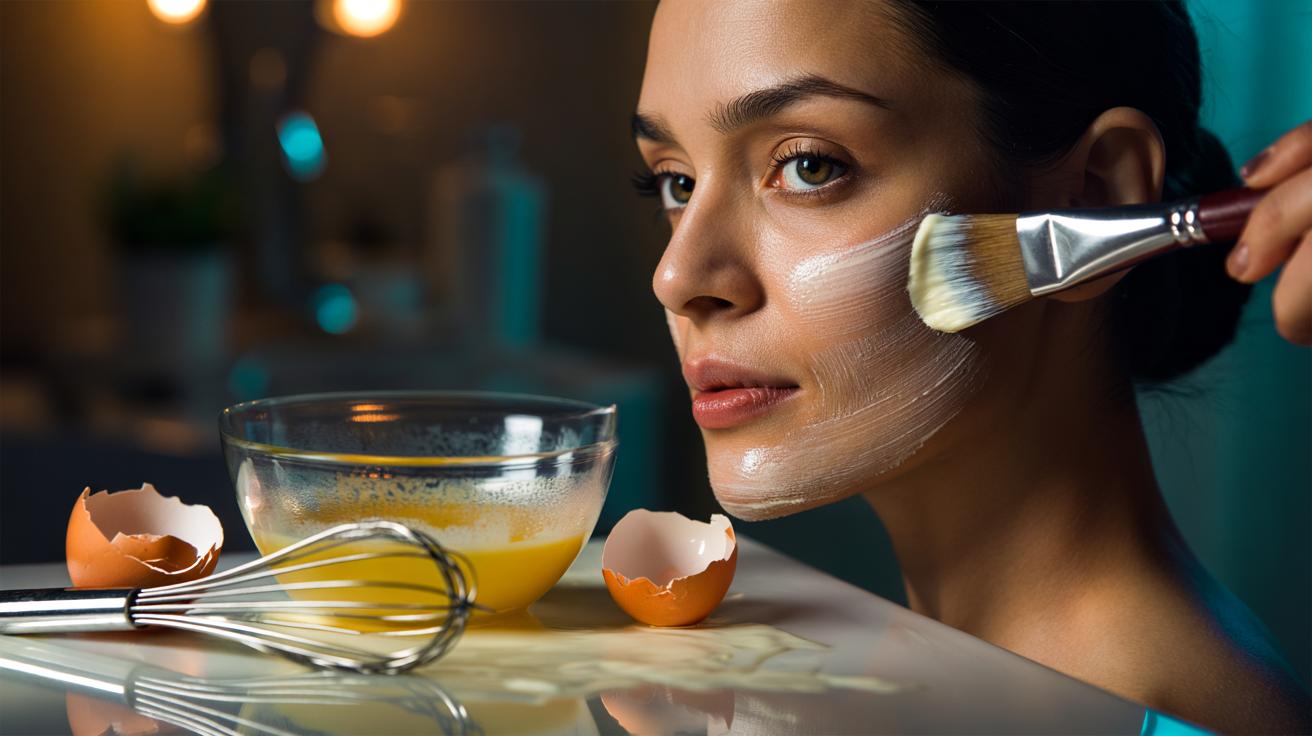
The star of the show is albumin, a film-forming protein abundant in egg whites. When whisked and painted onto the face, these proteins start to denature as water evaporates. That transformation creates a light, shrink-wrapping layer that contracts slightly as it dries, lending a temporary “lifted” feel. You may notice a gentle pulling sensation, a matte finish, and subtle pore blurring. This tightening is a surface phenomenon, not a rebuild of deeper collagen, which is why the results look best under make-up and bright lights but do not persist into the next day.
There’s also a minor osmotic effect: as the film sets, it draws a touch of moisture from the skin’s surface, enhancing the taut look. Add in trace minerals and a near-neutral pH, and you have a fast-acting cosmetic fix. Some users whip the egg white to soft peaks, increasing its spreadability and uniform film. Others add a drop of glycerin to temper tightness. Whatever the tweak, the principle remains: protein film + evaporation = instant firming.
How to Make and Apply a Dermatologist-Informed Egg White Mask
Start with one fresh egg, separating the white from the yolk. Whisk the white until slightly foamy—this traps air and helps form an even coat. After cleansing and patting dry, apply a thin layer with clean fingers or a dedicated brush, avoiding the eyes and lips. Let it dry for 8–15 minutes until it feels taut but not painfully tight. Rinse with lukewarm water, then follow with a hydrating moisturiser to counteract any dryness. Use no more than once or twice weekly to avoid overstripping the skin’s surface.
For comfort, you can blend in a pea-sized amount of honey or glycerin to soften the film without losing the lift. If you’re prepping for make-up, finish with a light silicone primer after moisturiser to lock in smoothness. Do not use on broken, irritated, or freshly exfoliated skin, and avoid entirely if you have an egg allergy. Always perform a patch test on the inner arm for 24 hours if you’re new to the method. Raw egg carries a small contamination risk; handle hygienically, and wash hands, bowls, and brushes thoroughly.
What to Expect in Minutes: Results, Limits, and Safety
Right away, many people see a gentle “lift” at the jawline, soft focus across pores, and a reduced sheen—great under foundation or for a bare-skin moment on camera. Typically, the effect lasts one to three hours, depending on humidity, perspiration, and your moisturiser. This is not a collagen stimulus and won’t remodel laxity. If your skin runs dry, the mask may feel too tight, so keep layers thin and time short. Those prone to rosacea or active acne may prefer gentler, non-occlusive options to avoid irritation or disruption of the barrier.
Egg whites don’t substitute for retinoids, peptides, daily SPF, or in-clinic procedures that tackle deeper laxity. Think of them as a cosmetic enhancer—like a great blow-dry for the face. If your skin stings, flushes, or develops itch, rinse immediately and apply a fragrance-free moisturiser. Safety first: skip during pregnancy if you’re wary of raw egg handling, and avoid in immunocompromised situations.
| Effect | Onset | Duration | Best For | Avoid If |
|---|---|---|---|---|
| Surface tightening, matte finish | 5–15 minutes | 1–3 hours | Quick pre-event lift; oily T-zones | Egg allergy, broken skin, severe dryness |
Smarter Alternatives and Pairings for Lasting Firmness
If you want a similar instant effect without eggs, look for film-formers such as pullulan, PVP, or alginates in primers and sheet masks; they create a comparable micro-lift while playing nicely under make-up. For longer-term firmness, build a routine that includes a gentle retinoid (night), vitamin C (morning), and daily SPF 30+. Peptide serums—especially those featuring signal peptides—can complement retinoids, while niacinamide supports barrier strength and reduces sallowness that can accentuate laxity.
Technique matters too. Facial massage with a light oil can boost short-lived circulation for glow, while a well-formulated hydrating serum (think glycerin and hyaluronic acid) plumps fine lines the mask alone can’t reach. If jawline definition is the goal, discuss energy devices, microcurrent, or injectable options with a qualified practitioner. For the look-now lift, keep egg whites in the toolkit; for the keep-lift, invest in daily actives and sun protection. That balanced approach delivers quick wins today and structural gains over months.
The egg white mask is a classic for a reason: it’s speedy, inexpensive, and visually satisfying, especially when your skin needs a sharp, photo-ready finish. Used judiciously, it slots neatly into a wider routine built on moisturisers, sun protection, and evidence-led actives. Expect temporary tightening, not transformation, and treat it as you would any professional trick: precise, clean, and sparing. If you try it, note how your skin feels and responds over several attempts, then refine the method to suit. What’s your favourite fast-firming trick—and how might you pair it with longer-term skincare for results that truly last?
Did you like it?4.6/5 (27)