In a nutshell
- 🔧 Revive with aluminium foil: lightly dampen the crust, wrap tightly, bake at 180–200°C (160–180°C fan) for 6–12 minutes, then unwrap for 2–5 minutes to restore a crisp crust.
- 🔬 Science explained: heat and gentle steam reverse starch retrogradation, softening the crumb, while an unwrapped finish resets the crust via a steam-then-dry cycle.
- ⚠️ Safety & pitfalls: discard bread with mould or off smells, never put foil in a microwave, and consider an air fryer at lower temps if compatible.
- 🥖 Tailored timings: adjust for loaf type—baguette, sandwich slices, sourdough boules, rolls, enriched breads, and gluten-free—using brief foil steaming followed by a short crisping phase.
- ✅ Best results: eat soon after revival, store cut-side down or in paper, and turn leftovers into crostini, croutons, or breadcrumbs to minimise waste.
Stale loaf on the counter, dinner in ten minutes, and no patience for disappointment? The humble sheet of aluminium foil is your secret weapon. With a quick splash of water and controlled heat, you can coax crisp crust and a soft, steamy crumb back from the brink. This isn’t a hack so much as a reset: heat and moisture working together to undo staling. Expect aroma, crackle, and that satisfying tear. No additives. No gadgets. Just the physics of bread in your favour. Use the oven, mind the timings, and you’ll revive “day-old” to “fresh-baked” in around 10 minutes.
The 10-Minute Foil Method
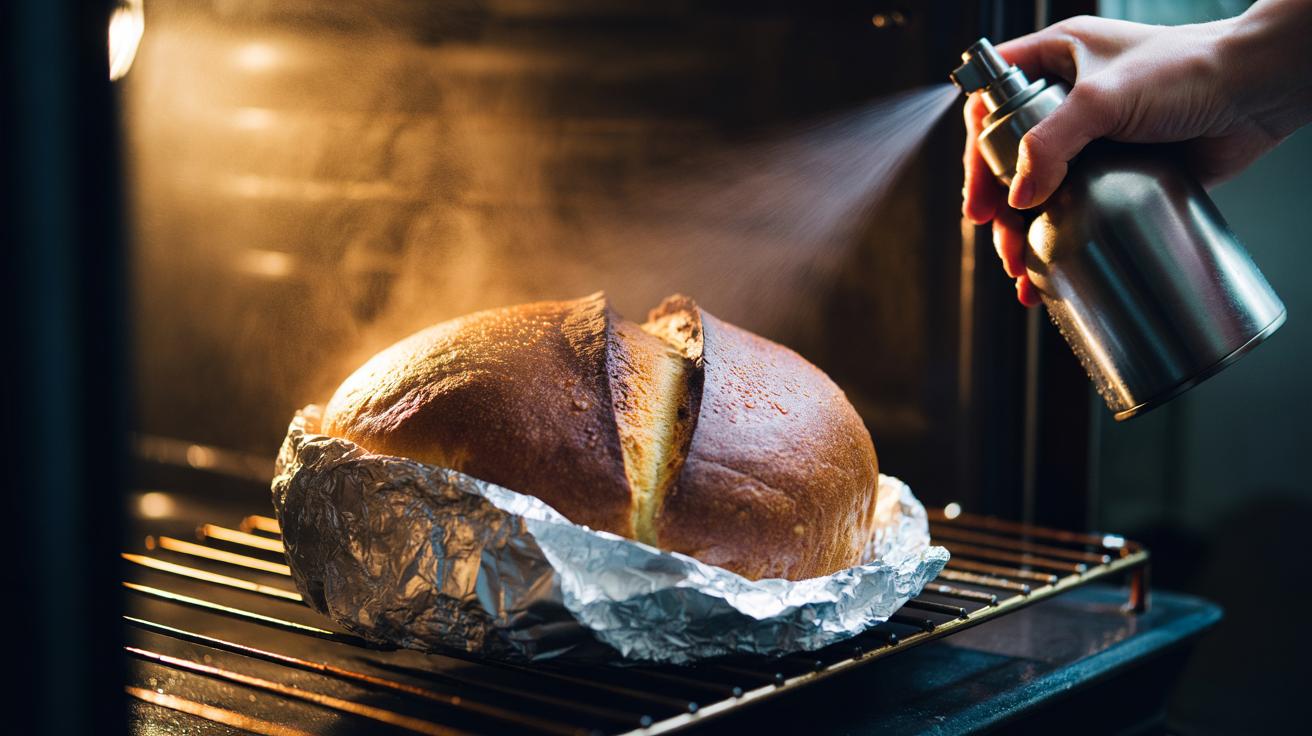
First, assess the loaf. If you see fuzzy spots, off smells, or damp patches, do not attempt revival—discard immediately. Staling is one thing; spoilage is another. If the bread is simply firm and dull, you’re in business. Lightly rehydrate: run the crust briefly under a cool tap, mist with water, or rub a damp hand over the surface. The goal is a thin film of moisture, not a soaking. Then wrap the bread tightly in foil, sealing all edges to trap steam.
Heat your oven to 180–200°C (160–180°C fan). Place the foil-wrapped loaf directly on the rack for 6–12 minutes depending on size. This closed environment warms the crumb and mobilises moisture. For best results, remove the foil for the final 2–5 minutes to let the crust dry and crisp. Cool on a rack for a minute or two; the crust will set and sing. That brief rest keeps the base from sweating.
Adapt the method to what’s on hand. Rolls need 5–7 minutes foil-on, then 2 minutes unwrapped. Sliced bread? Stack slices, mist lightly, wrap as a bundle to prevent edges from toughening, then give a very short unwrapped finish. Never use foil in a microwave—sparks and poor texture await. An air fryer can work at 160–170°C if your model allows foil, but reduce times and watch closely.
Why This Trick Works: The Science of Staling
Staling isn’t just bread “drying out.” It’s largely starch retrogradation: as baked bread cools, starch molecules (especially amylopectin) reorganise into crystals, squeezing out water and turning the crumb firm. The loaf can even feel dry while its overall moisture hasn’t changed much. Heat reverses this. Inside a foil wrap, gentle steam penetrates the crumb, softening those crystals so the structure relaxes, and water redistributes back into the starch network.
At the same time, the crust undergoes a reset. Freshly baked crust is brittle because it’s dry and glassy. Left out, it absorbs ambient moisture and turns leathery. The foil phase rehydrates the outer layer; the unwrapped phase then drives off surface moisture, restoring crispness through a new wave of evaporation, Maillard browning, and caramelised aromas. This two-stage cycle—steam, then dry heat—is the heart of the foil method.
That’s why the transformation feels dramatic. The loaf smells newly baked because volatile compounds are liberated again; the crumb yields because its starches are temporarily de-crystallised. The magic is short-lived, though. As the bread cools, retrogradation resumes. Freshness is reversible—but only for a while. Enjoy revived bread promptly; repeated reheating works, but quality declines as moisture slowly escapes for good.
Times, Temperatures, and Loaf Types
Different breads prefer different settings. Light, thin-crusted loaves revive fast; dense or large loaves need longer heat to warm the core. Use these guidelines as a starting point, adjusting by a minute or two based on your oven’s temperament and the loaf’s size. Aim for hot and steamy in the foil, then brief high heat unwrapped for snap. Watch and listen: a crisp crust crackles as it cools, while a too-long bake goes tough. Below is a quick reference you can pin to the fridge.
| Bread Type | Oven Temp | Foil Phase | Unwrapped Phase | Notes |
|---|---|---|---|---|
| Baguette | 200°C (180°C fan) | 6–8 min | 2–4 min | Thin crust, quick to revive |
| Sandwich loaf (sliced stack) | 180°C (160°C fan) | 8–10 min | 1–2 min | Keep slices bundled |
| Sourdough boule | 200°C (180°C fan) | 10–12 min | 3–5 min | Larger mass needs heat |
| Crusty rolls | 200°C (180°C fan) | 5–7 min | 2–3 min | Revives fast, easy crisp |
| Enriched brioche/challah | 170°C (150°C fan) | 8–10 min | 0–1 min | Go gentle; sugars brown quickly |
| Gluten-free loaves | 180°C (160°C fan) | 6–8 min | 1–2 min | Watch closely; delicate crumb |
Guardrails matter. Avoid reviving mouldy bread—safety first. If a loaf is only slightly stale, skip the water and go straight to foil; the crumb may have enough moisture already. For very dry loaves, use a touch more water, but don’t drench. After revival, store cut-side down on a board or in a paper bag to keep the crust crisp. Revived bread stales quicker than fresh. Best enjoyed within a few hours. Leftovers make excellent crostini, croutons, or breadcrumbs—waste nothing and stretch your shop-bought loaf further.
That foil wrap is less a trick than a tiny bakehouse—steam to soften, heat to crisp, and a loaf reborn in minutes. It rescues brunch, saves a soup supper, and spares your budget. Use it for baguettes on the brink, or for yesterday’s sourdough that needs a nudge. Be decisive with heat, gentle with water, and quick to the table. Once you’ve heard that revived crust sing, it’s hard to go back. Which loaf in your kitchen will you bring back to life first, and what will you pair it with tonight?
Did you like it?4.5/5 (23)