In a nutshell
- ☕ Coffee grounds act as a natural barrier to snails via trace caffeine, gritty texture, and a drier surface; acidity isn’t the driver, and the effect is deterrent, not poisonous.
- 🧰 Best practices: air-dry grounds, apply a thin 2–3 mm ring 5–8 cm wide, keep off stems, and renew after rain; compost bulk quantities and keep fresh grounds away from pets.
- 🔬 Evidence and limits: high-caffeine sprays can be lethal, but spent grounds deliver lower levels—expect behaviour shaping, not elimination; avoid thick layers that impede water or foster mould, and monitor soil health.
- 🛡️ Layered defence: pair coffee rings with copper tape, careful beer traps, dusk hand-picking, morning watering, and tidier beds; invite allies like hedgehogs, frogs, and ground beetles.
- 🌿 Eco-friendly takeaway: a cheap, accessible tactic that protects lettuces and hostas when folded into integrated pest management, supporting a wildlife-friendly, low-chemical garden.
Coffee addicts, rejoice: your morning ritual can double as a slug and snail deterrent. Gardeners across the UK have long scattered coffee grounds in thin rings around tender lettuces, hostas, and seedlings. The claim is simple yet appealing. Grounds create a natural barrier that discourages soft-bodied grazers from crossing. Some point to caffeine; others cite texture and dryness. The truth sits somewhere in the mix. Used properly, they help. Used poorly, they clump, mould, and disappoint. Think of coffee grounds as one line of defence in a joined-up, wildlife-friendly strategy rather than a silver bullet. Here’s how and why the tactic works, with evidence, caveats, and practical tips.
How Coffee Grounds Deter Snails
There are three plausible mechanisms. First, caffeine has documented toxicity to slugs and snails at higher concentrations, based on laboratory trials that used caffeinated sprays. Spent coffee grounds carry less caffeine than brewed liquid, yet they still contain enough traces to contribute to a deterrent effect. Second, texture matters. The gritty particles are uncomfortable for soft, moisture-dependent bodies to glide across, creating a physical barrier that nudges pests toward an easier route. Third, grounds can encourage a slightly drier micro-surface. Slugs and snails hate dry margins. They seek damp edges and night-time humidity.
Does acidity do the job? Not really. Spent grounds are typically close to neutral to mildly acidic, so the pH alone isn’t the main actor. Coffee grounds are a barrier, not a poison in ordinary garden use. That’s crucial. You’re aiming to make the approach less appealing without spiking the soil. The most consistent results come from rings that are kept fresh and thin, renewed after downpours, and paired with tidy cultural habits like morning watering and removing slug refuges.
Best Practices for Using Grounds in the Garden
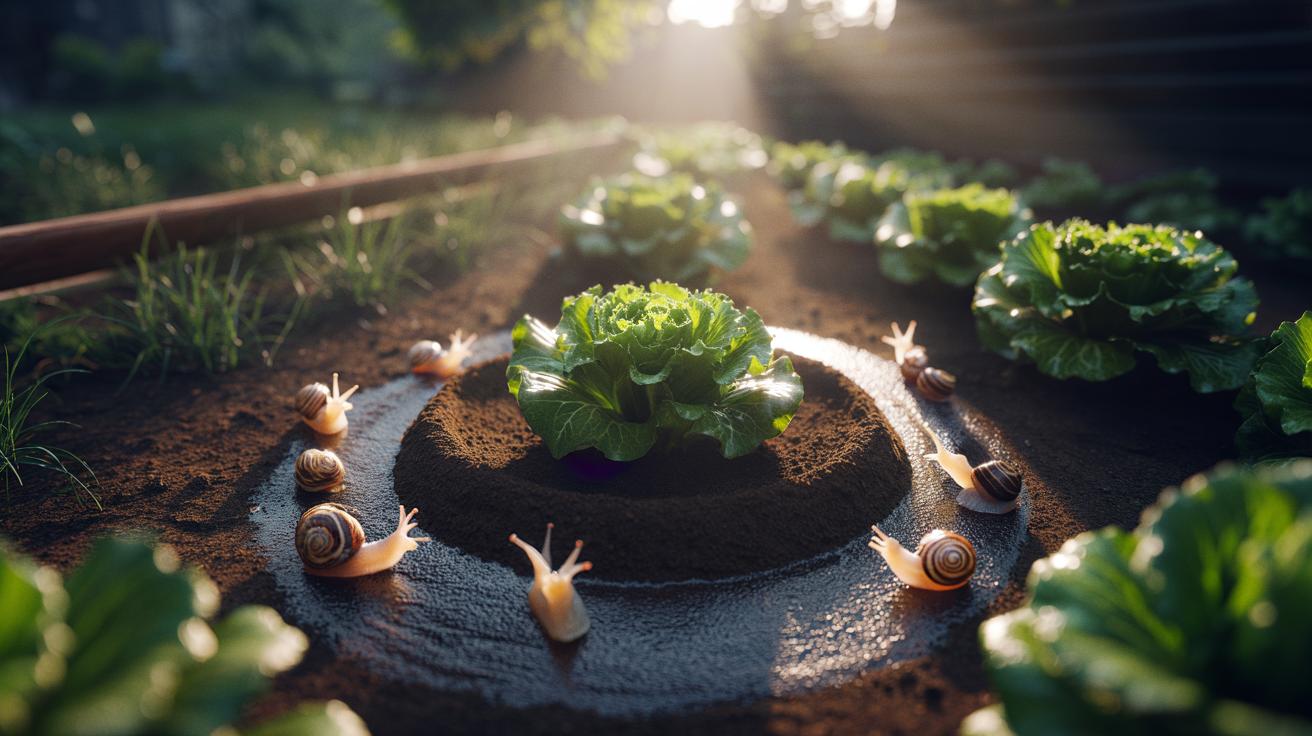
Dry them first. Spread used grounds on newspaper for a day or two, then store in a breathable tub. Damp clumps mat, harbour mould, and turn into a slug-friendly bridge. Apply a ring 2–3 mm deep and 5–8 cm wide around vulnerable plants, leaving a slight gap from the stem so it doesn’t trap moisture. Never pile grounds thickly against stems or over bare seedling roots. Refresh after heavy rain or irrigation, when the grit softens and the deterrent fades. Rotate the ring position occasionally to avoid creating a crust in one spot.
Use them sparingly as mulch amendments, not as the mulch. Blend small handfuls into a broader organic mulch such as leaf mould or bark, or send most of your grounds to the compost heap where they shine as a green (nitrogen-rich) input balanced with browns like shredded cardboard. If pets roam, keep fresh grounds out of reach; caffeine is harmful to dogs. Combine strategies for reliability: hand-pick at dusk, water in the morning, and use copper collars for high-value specimens. A simple planner helps.
| Step | What to Do | Why It Works |
|---|---|---|
| Prepare | Air-dry used grounds | Prevents mould; keeps gritty texture |
| Apply | Thin, wide ring; gap from stem | Makes crossing difficult; avoids stem rot |
| Maintain | Renew after rain | Maintains deterrent potency |
| Integrate | Pair with copper, traps, tidy beds | Multiple barriers reduce damage risk |
Evidence, Limits, and Environmental Considerations
What does the science say? Trials have shown that solutions of caffeine at around 1–2% can be lethal to slugs and snails; grounds, by contrast, deliver much lower levels, so toxicity isn’t the main field effect. Still, gardeners report fewer bite marks when the barrier is fresh and continuous. That distinction is key. This is behaviour shaping, not guaranteed elimination. Oversupply can backfire. Thick layers may repel some pests yet impede water penetration, foster fungal growth, or transiently tie up surface nitrogen as microbes get to work. Precision beats quantity.
Soil health matters. Spent grounds typically straddle pH 6.5–6.8, so they’re safe for most borders in moderation. Worms will process modest amounts; composting remains the best route for bulk use. Observe your soil, adjust the dose, and prioritise plant vigour first. Safety-wise, keep grounds away from pets and children, and avoid using strong caffeinated sprays around ponds where amphibians roam. For edible beds, place rings on the soil surface, not on leaves, and wash harvests as usual. A modest, managed approach upholds both plant welfare and garden ecology.
Pairing Coffee Grounds with Other Natural Defenses
The smartest approach is layered. Use coffee rings to slow advances. Add copper tape or collars around pots, which can tingle slugs and snails on contact. Surround crowns with sharp horticultural grit or crushed eggshells if you already have them to hand, acknowledging results vary by species and weather. Deploy beer traps sparingly and ethically—sink them so beetles don’t tumble in, and empty them often. Hand-pick at dusk with a torch. Quick, effective, oddly satisfying. Remove hiding spots: stacked pots, dense weeds, damp boards.
Encourage allies. Hedgehogs, frogs, toads, and ground beetles eat slugs. A small wildlife gap in the fence, a log pile, and a chemical-free routine invite them in. Water early so surfaces dry by nightfall. Space plants to improve airflow, keeping leaves off the soil. For seedlings, raise on benches or use protective cloches until leaves toughen. Integrated pest management beats any single trick, every time. With these layers in place, your coffee grounds become a cost-free nudge that complements, rather than replaces, good gardening.
Coffee grounds won’t turn your beds into a fortress, but they do shift the odds. They’re cheap, widely available, and—when kept dry and thin—surprisingly persuasive to soft-bodied grazers who prefer an easier path. Used alongside wildlife-friendly tactics and neat cultural habits, the humble ring of grounds can spare your lettuces and hostas from the worst night raids. Think balance: barrier, maintenance, and observation. Ready to brew a defence and experiment this week—what combination of coffee rings, copper, and habitat tweaks will you try in your patch?
Did you like it?4.5/5 (26)