In a nutshell
- 🧴 The power of occlusion: petroleum jelly dramatically reduces TEWL, softens the stratum corneum, and restores flexibility so heel fissures look and feel better within 48 hours.
- 🛌 Two-night routine: brief soak, pat dry, apply a humectant (urea 10–20% or glycerin), seal with Vaseline, then wear clean cotton socks; repeat night two for smoother texture and less tightness.
- ⚠️ Safety first: avoid occluding bleeding or infected cracks; people with diabetes, neuropathy, or poor circulation should seek advice; stop if redness, heat, or throbbing develops; prevent maceration by using thin layers.
- 🔧 Smart upgrades: pair occlusion with urea 20–40% or low‑strength salicylic acid, add ceramides by day, consider silicone heel socks, and choose cushioned, closed‑back footwear to reduce heel splay.
- ✅ Maintenance matters: continue light nightly sealing, try petrolatum‑free occlusives if preferred, and consult a podiatrist for persistent or deep fissures to address pressure points and prevent recurrence.
Search “Vaseline on feet + socks” and you’ll find bold claims that cracked heels can look transformed in just two nights. Behind the hack sits a boring-sounding dermatology principle with dazzling results: occlusion. By sealing in moisture and calming water loss, a simple layer of petroleum jelly under breathable socks can soften stubborn callus and stitch tiny fissures back together in appearance. The trick is not adding more water, but stopping the water you already have from evaporating. Here’s how occlusion works, how to try the two-night plan safely, and when this shortcut deserves an upgrade or a cautious pause.
What Occlusion Does to Cracked Heels
Cracked heels are usually a cocktail of dryness, thickened skin, and repeated pressure. The outer layer of skin (the stratum corneum) behaves like a brick wall: dead skin “bricks” mortared by lipids. When that mortar thins, transepidermal water loss (TEWL) rises, the wall becomes brittle, and fissures appear. Occlusion with Vaseline slows TEWL dramatically, helping water from deeper layers hydrate the surface. The softened layer becomes more flexible, reducing shear and making cracks look shallower. Occlusion doesn’t “heal” a split overnight, but it rapidly restores suppleness so the skin can bend instead of break. Petroleum jelly is inert, fragrance-free, and highly occlusive, which is why clinicians often call it the “gold standard” sealant for compromised skin.
While rich creams add comfort, few beat the sheer water‑loss blockade of petroleum jelly. Under socks, warmth enhances penetration of creams applied beneath, and the sealed microclimate helps reorganise barrier lipids. The result after two nights can be striking: less whitening around fissures, smoother edges, and fewer snag-inducing ridges. For deeper, painful cracks, expect longer, but the same principle applies: reduce TEWL, soften, then protect.
How to Try the Two-Night Routine
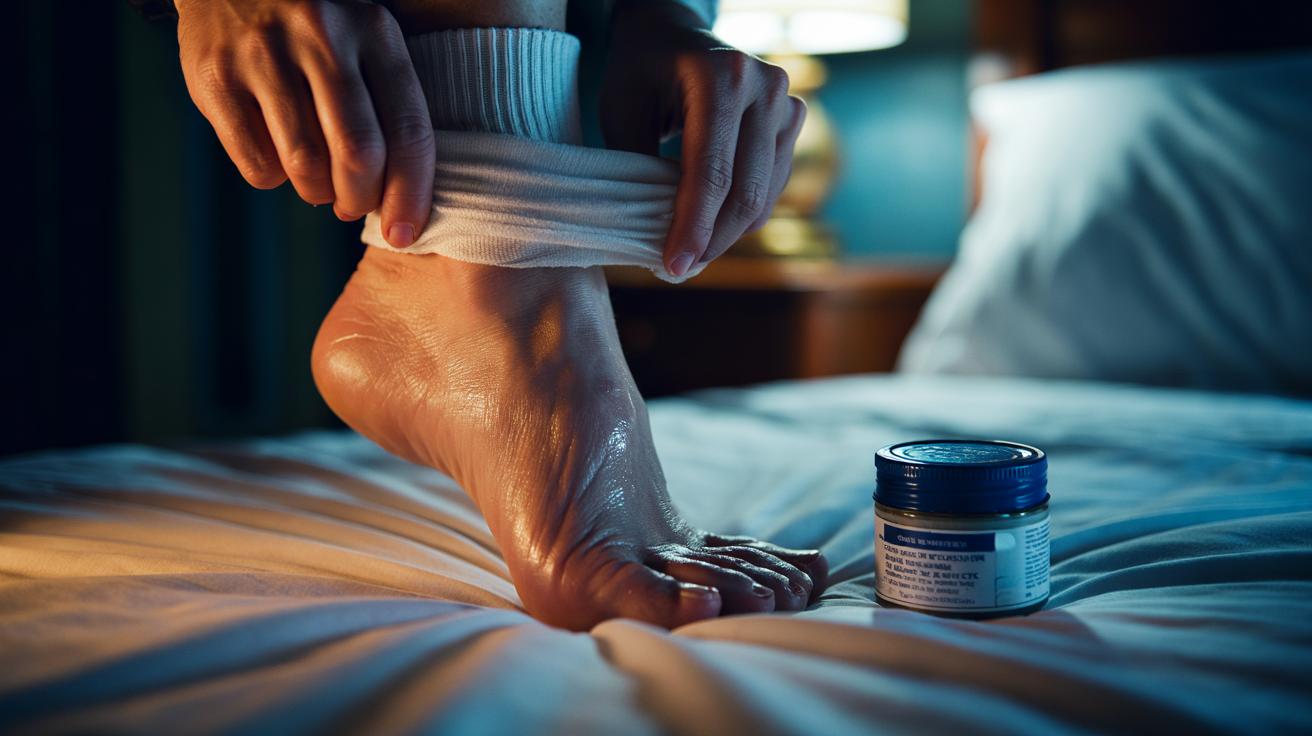
Begin with a quick 5–10 minute lukewarm soak or shower to hydrate the skin, then pat thoroughly dry. If you have safe, non-bleeding callus, gently use a soft file or pumice to remove loose scales—skip this if skin is thin or sore. Apply a thin layer of a humectant cream (look for urea 10–20% or glycerin), then seal with a pea‑sized amount of Vaseline per heel, spreading across the rim and any rough patches. Pull on clean cotton socks that aren’t tight at the cuff. The socks create a warm, occlusive chamber that boosts absorption and keeps bedding clean. Repeat the same steps the second night.
To avoid slips, apply just before bedtime and keep minimal product on the toes. By morning, wipe away residue, then use a light daytime cream and supportive footwear. Expect a visible reduction in scaling and a softer feel within 24–48 hours. If cracks are bleeding or very deep, switch focus to protection and seek professional care from a podiatrist. Consistency matters: a two-night reset works best followed by a lighter nightly seal a few times per week.
| Night | Action | Expected Result |
|---|---|---|
| 1 | Hydrate, humectant, petroleum jelly, cotton socks | Softer rim, less tightness, reduced TEWL |
| 2 | Repeat full routine | Smoother texture, shallower-looking fissures, improved comfort |
When to Be Cautious and Who Should Avoid It
Occlusion is powerful, but not universal. Skip petroleum jelly on bleeding, infected, or weeping cracks; sealing in exudate can worsen microbial growth. People with diabetes, neuropathy, or poor circulation should consult a clinician first, as hidden infection risk is higher and self‑treatment can delay care. If you have athlete’s foot or eczema with oozing, prioritise anti‑fungal or anti‑inflammatory treatment before occlusion. Stop immediately if you notice increasing redness, heat, or throbbing pain. Those prone to maceration (over‑soft, soggy skin) should use a thinner layer, shorter wear time, or a semi‑occlusive balm.
Patch test if you’re sensitive to ointments or lanolin-containing products, and keep occlusion away from open skin. Cotton socks are best; synthetic or tight compression can rub and trap too much heat. Remember that heel cracks may reflect repetitive pressure, ill‑fitting shoes, or thyroid and nutritional factors. If splits keep returning, a podiatry review can identify gait issues, callus hotspots, and offer debridement or insoles to share the load.
Smart Upgrades: From Simple Jelly to Full Heel Rescue
For stubborn callus, layer occlusion over targeted actives. Evening use of urea 20–40% or low‑strength salicylic acid smooths thick skin, then Vaseline locks water in. A few nights per week can keep edges supple without over‑exfoliating. Think of petroleum jelly as the seal, not the entire treatment. Daytime, switch to a lighter cream with ceramides to support the barrier, and wear cushioned shoes with closed backs to limit heel splay. Silicone gel heel socks offer a reusable, washable form of occlusion for maintenance.
Hydration helps from the inside out, but topical routines do the heavy lifting for heels. After the two‑night reset, maintain with a quick nightly pea of ointment or alternate with a rich foot cream. UK pharmacies stock cost‑effective own‑brand urea creams; podiatry lines are pricier but often stronger. If you prefer petrolatum‑free options, look for wax‑based occlusives or plant‑derived jelly substitutes, though they’re typically less occlusive than classic petroleum jelly.
In short, the “Vaseline + socks” trick works because occlusion lets your skin rehydrate itself, quickly restoring flexibility so cracks look and feel better. Two nights can be enough for superficial fissures; deeper splits will need a longer plan and good footwear habits. Seal moisture in, reduce friction, and your heels can turn a corner fast. Will you try a two‑night occlusive reset this week—and if you do, which upgrade will you add: urea, silicone heel socks, or a smarter shoe choice to stop cracks coming back?
Did you like it?4.4/5 (26)