In a nutshell
- ✨ Lemon’s citric acid dissolves calcium carbonate scale via acid reaction and chelation, delivering fast, low-odour, biodegradable cleaning.
- 🛠️ Practical methods: compress lemon halves or soaked cloths on taps, bag-and-soak showerheads, spray and wipe glass/tiles, and heat-dilute in kettles; prioritize contact time, gentle scrubbing, and thorough rinsing.
- ⚠️ Safety first: Never mix with bleach; wear gloves, ventilate, and avoid sensitive surfaces like marble, limestone, travertine, bare aluminium and uncoated brass; test inconspicuous areas.
- ⚖️ Comparison: Lemon vs. vinegar—better scent and calcium chelation; commercial descalers act fastest but can be harsher—use lemon for routine maintenance, descalers only for severe build-up.
- 🌍 Benefits: low cost, pleasant aroma, reduced chemical footprint, and improved kettle efficiency as heating elements lose insulating scale—saving energy over time.
Limescale sneaks up on bathrooms and kitchens alike, leaving taps dull, kettles crusted, and shower screens clouded. Yet the answer sits in your fruit bowl. Fresh lemon, rich in citric acid, dissolves mineral build-up with surprising speed and no harsh fumes. It’s cheap, biodegradable, and pleasant to use. With a bit of patience and the right technique, you can restore sparkle to chrome and glass, even revive a kettle’s efficiency. Below, I explain why lemon works so well, where it excels, and where to avoid it. Expect clear methods, safety notes, and a comparison with vinegar and commercial descalers.
Why Lemon Works on Limescale
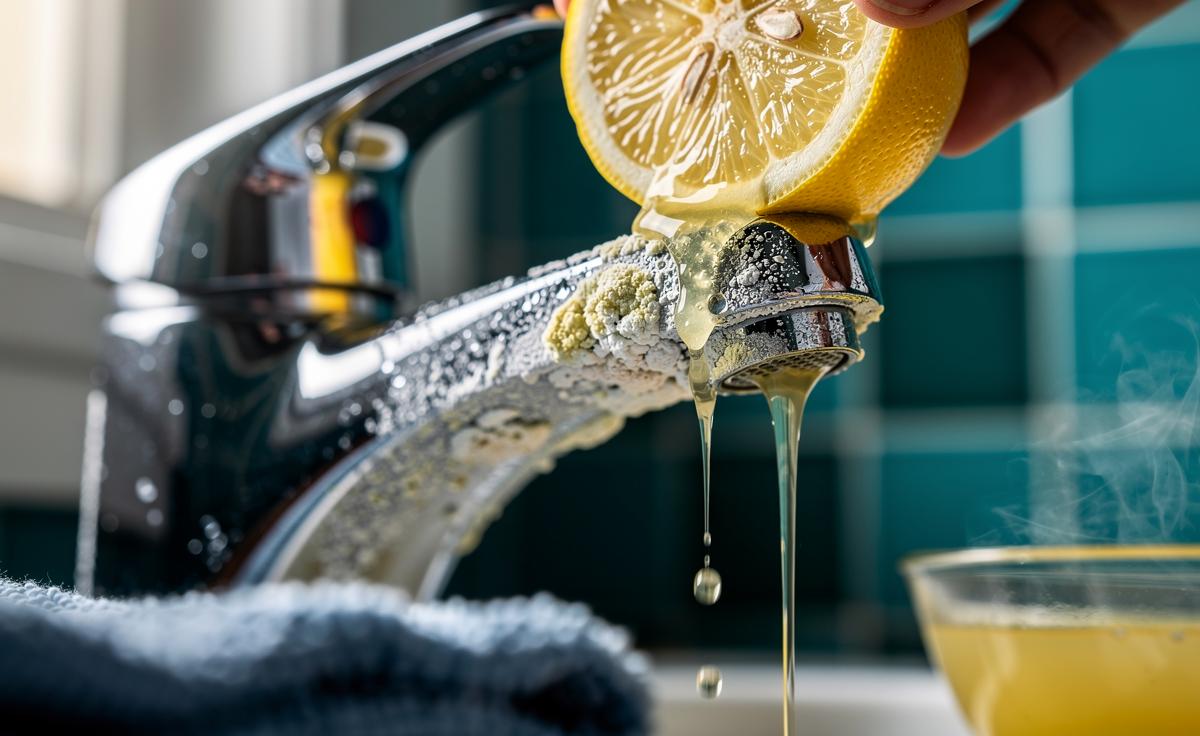
Limescale is mostly calcium carbonate (CaCO3), a hard chalky deposit born from mineral-rich water. Citric acid in lemon juice attacks this compound two ways. First, as a weak acid, it reacts with carbonate, releasing tiny fizzing bubbles of CO2 and forming water. Second, it binds to calcium ions through chelation, creating soluble calcium citrate that rinses away. The result is a one-two punch: visible dissolution and hidden sequestration that stops minerals re-depositing as quickly.
Lemon juice typically sits around pH 2.0–2.5. That’s strong enough to cut through stubborn scale on taps, showerheads, and glass, yet gentle compared with many proprietary descalers. The natural oils in the peel add a clean scent and light degreasing. Used correctly, lemon is both effective and kinder to indoor air quality. For best results, keep the surface wet with juice for long enough—contact time matters more than brute scrubbing.
There’s chemistry you can see and hear. When lemon meets crusted scale, faint effervescence signals carbonate breaking down. That fizz isn’t just theatre; it shows the acid is spending itself on the deposit and not your surface. No electricity, no mystery—just straightforward acid-base reaction.
Step-by-Step: Descaling Taps, Kettles, and Tiles
For taps and shower fittings: Cut a lemon in half, squeeze lightly to prime the surface, then press the cut face onto the crusted area. For awkward shapes, soak a cloth in lemon juice and wrap it around the fitting, securing with a rubber band. Leave 15–30 minutes, keeping the cloth damp with more juice if needed. Remove, scrub gently with a soft nylon brush, and rinse thoroughly. Do not leave acidic solutions on plated finishes for hours; short, repeated applications are safer than one marathon soak.
For showerheads: Fill a small bag with lemon juice, submerge the head, and tie it off. Ten to twenty minutes often suffices. Flush with water, then poke limescale from nozzles with a wooden toothpick—never metal, which can scar the jets. For glass screens and ceramic tiles: Spray fresh lemon juice, wait 5–10 minutes, and wipe with a microfiber cloth. Stubborn patches yield to a non-scratch pad. Finish with a water rinse to prevent sticky residue.
For kettles: Add 150–200 ml lemon juice to the kettle, top up with water to cover the element, then heat to just below a boil. Switch off and let sit for 15 minutes. Empty, rinse twice, and boil a full kettle of clean water before making tea. Citric acid clears heating elements, restoring efficiency and shortening boil times, often saving energy in the long run.
Safety, Surfaces, and What to Avoid
Acids, even kitchen-friendly ones, demand sense and restraint. Wear gloves if you have sensitive skin. Protect eyes from accidental splashes. Ventilate while you work. Never mix lemon (or any acid) with bleach; this can release dangerous chlorine gas. After descaling, rinse metal thoroughly and dry to reduce the risk of corrosion or tarnish, especially on older fixtures.
Surface compatibility matters. Lemon shines on chrome, stainless steel, glass, ceramic, and most plastics. But avoid natural stone—marble, limestone, and travertine—which are themselves calcium carbonate and will etch. Be cautious with bare aluminum, uncoated brass, and cast iron; acids can pit or darken those finishes. Lacquered or powder-coated metals vary—test in an inconspicuous spot first. Silicone and rubber seals generally tolerate brief contact, yet don’t soak them for long periods.
Rule of thumb: short contact, frequent checks, thorough rinsing. When in doubt, apply to a tiny area first. If the surface dulls or discolours, stop immediately. Effectiveness should never come at the expense of the material you’re trying to save.
Comparing Lemon to Vinegar and Commercial Descalers
Vinegar (acetic acid) and lemon (citric acid) both dissolve scale, but they behave differently. Lemon generally smells better and chelates calcium more effectively, which can mean easier rinsing and less lingering mineral haze. Vinegar is cheap and dependable, but its odour lingers in enclosed bathrooms and can be unpleasant on hot surfaces. Commercial descalers work fast, especially on heavy build-up, yet some contain strong acids and inhibitors that demand strict caution. For routine maintenance, lemon strikes a useful balance of safety, scent, and efficacy.
| Agent | Acid Type | Approx. pH | Smell | Best For |
|---|---|---|---|---|
| Lemon Juice | Citric acid | 2.0–2.5 | Fresh, mild | Taps, showerheads, glass, kettles |
| White Vinegar | Acetic acid | 2.4–3.0 | Pungent | General descaling, rinsed areas |
| Commercial Descaler | Varies (often stronger acids) | 1.0–2.0 | Neutral to sharp | Severe build-up, rapid results |
Consider cost and footprint. A few lemons tackle weekly maintenance without venting harsh fumes or adding complex chemicals to wastewater. For thick, years-old scale, you may need multiple lemon applications or a targeted descaler—but keep it local, brief, and well-rinsed. Your nose, your fixtures, and your energy bills may thank you.
Lemon is not a miracle. It’s chemistry you can eat, wielded with care. With patient contact time, a soft brush, and a thorough rinse, citric acid restores clarity and shine to everyday surfaces. Keep it off vulnerable stone, watch the clock on sensitive metals, and never, ever mix with bleach. Measured and mindful beats brute force every time. Ready to swap a harsh bottle for a lemon and see what dissolves first—your limescale or your scepticism?
Did you like it?4.4/5 (26)