In a nutshell
- 🧪 The cleaning power comes from alkaline chemistry (pH 8–9) plus gentle micro‑abrasion that loosens pigments and grime; the fizz isn’t the main driver of the lift.
- ⏱️ Use a 1:1 paste of water and baking soda, apply for about 30 seconds, massage lightly, then rinse; add a drop of washing‑up liquid for greasy marks or sprinkle dry to deodorise fabrics.
- 📋 Quick wins: tea/coffee rings on ceramic, grease on painted walls, crayon on sealed wood, and shoe scuffs on vinyl—follow the table’s ratios and light pressure to avoid dulling finishes.
- ⚠️ Avoid silk, wool, leather, unfinished wood, and aluminium; choose vinegar for limescale, enzyme detergents for blood/egg, and oxygen bleach for whites—never mix with chlorine bleach.
- 🧰 Pro tips: always patch‑test, keep paste damp for set‑in stains (up to two minutes), rinse thoroughly to prevent residue, and store powder airtight—an affordable first responder for everyday marks.
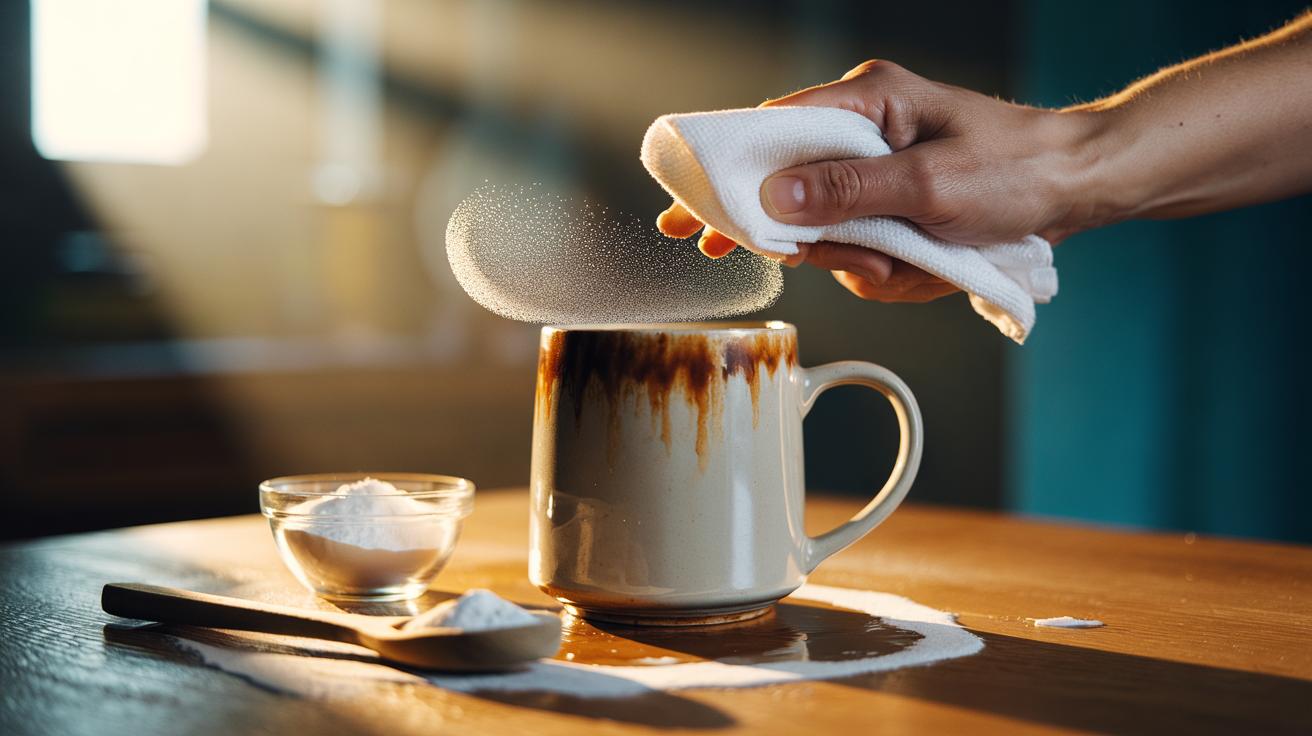
It sounds like clickbait, yet the truth is surprisingly simple: a pinch of baking soda can make fresh marks budge in as little as 30 seconds. The secret isn’t sorcery; it’s chemistry and gentle abrasion working in tandem. As a mild alkali, sodium bicarbonate loosens acidic residues and helps convert fatty grime into liftable particles, while its fine crystals buff without scratching most hard surfaces. From tea rings on mugs to crayon on paintwork, a quick paste can do the heavy lifting. Always patch-test on an inconspicuous area first and avoid delicate fibres. Here’s how this humble cupboard staple earns its reputation as an unbelievable stain remover.
The Science Behind Baking Soda’s Rapid Lift
At its core, sodium bicarbonate is slightly alkaline (pH around 8–9), which helps neutralise acids found in food spills and many household stains. That shift in pH loosens the bond between the stain and the surface, making pigments and residues easier to dislodge. Equally important is the powder’s micro‑abrasive texture: the fine particles provide gentle mechanical action that lifts grime without the harsh scratching you might get from scouring powders. On greasy marks, bicarbonate can help break down fatty acids, particularly when paired with a drop of mild washing‑up liquid.
When it meets acids—think lemon juice or vinegar—it fizzes, releasing carbon dioxide. The bubbling is satisfying, but the lift comes primarily from alkalinity and abrasion rather than the fizz. The quickest results often arrive from a simple water-and-bicarbonate paste, not a vinegar volcano. Because bicarbonate also helps soften water, it prevents minerals from redepositing residue, leaving cups, tiles, and worktops clearer after a rinse or wipe.
30-Second Method for Common Stains
The fastest technique is a paste: mix equal parts baking soda and water to a spreadable consistency. Blot fresh spills first, then smooth on a thin film, wait about 30 seconds, and massage lightly with a soft cloth or sponge. Rinse or wipe away. For greasy fingerprints on paintwork, add a single drop of washing‑up liquid to the paste. For tannin marks on mugs, sprinkle dry bicarbonate onto a damp sponge and rub in small circles. Do not over‑scrub glossy finishes; let the chemistry work. Dealing with odours in fabrics? Sprinkle, rest for 15 minutes, then vacuum.
| Stain | Surface | Mix Ratio | Contact Time | Tip |
|---|---|---|---|---|
| Tea/coffee rings | Ceramic mug | 1:1 paste | 30–60 sec | Rub gently; rinse well |
| Grease spots | Painted wall | 1:1 + drop of soap | 30 sec | Light pressure only |
| Crayon/marker | Sealed wood/laminate | 1:1 paste | 30–90 sec | Wipe dry immediately |
| Shoe scuffs | Vinyl/tiles | Sprinkle dry | 30 sec | Damp cloth to finish |
If marks persist, repeat briefly rather than scrubbing hard. For set‑in stains, extend contact to two minutes, keeping the paste damp so it remains active. Always test coloured fabrics and painted finishes on a hidden patch to check for dulling. Rinse residue thoroughly; leftover powder can leave a faint film that attracts new dirt.
When to Avoid Baking Soda and What to Use Instead
Despite its versatility, bicarbonate isn’t universal. Skip it on silk, wool, leather, and unfinished wood, where alkalinity or abrasion can distort fibres or finishes. Steer clear of aluminium cookware, where reactions can cause dulling, and be cautious on high‑gloss lacquer, piano finishes, and premium car paint. For limescale around taps, use white vinegar or citric acid on its own; don’t neutralise bicarbonate with acid mid‑clean, or you’ll cancel both out. For blood or egg, try cold water first, then an enzyme detergent. For dingy whites, consider oxygen bleach (sodium percarbonate), not chlorine bleach.
Greasy fabric stains respond best to a dab of washing‑up liquid before a bicarbonate sprinkle for deodorising. On carpets, blot, use a mild detergent solution, then finish with bicarbonate to absorb odour after drying. Never mix bicarbonate with chlorine bleach. Store your powder airtight to keep it free‑flowing; clumped bicarbonate still works, but dissolves less evenly and can be messy. The guiding principle is simple: let gentle chemistry outpace brute force.
For a product that costs pennies per use, baking soda delivers headline‑worthy results, especially on fresh, everyday marks. Its blend of mild alkalinity, micro‑abrasion, and odour control makes it a reliable first responder before specialist stain removers come into play. Keep a small jar near the sink, mix quick pastes on the fly, and remember to rinse well to avoid residue. Use caution on delicate materials and always patch‑test. With that, the “30‑second lift” stops sounding unbelievable and starts feeling routine. Which stubborn stain in your home are you most eager to challenge with a bicarbonate test run?
Did you like it?4.5/5 (24)